
Garden Ideas
Garden design covers more ground than most people expect — the same backyard space can become a productive edible garden, a naturalistic pollinator planting, a cottage garden spilling with perennials, or a clipped formal space depending entirely on the approach. Browse the AI-generated designs below and click "Use this style" to see how any of them would look in your actual yard.
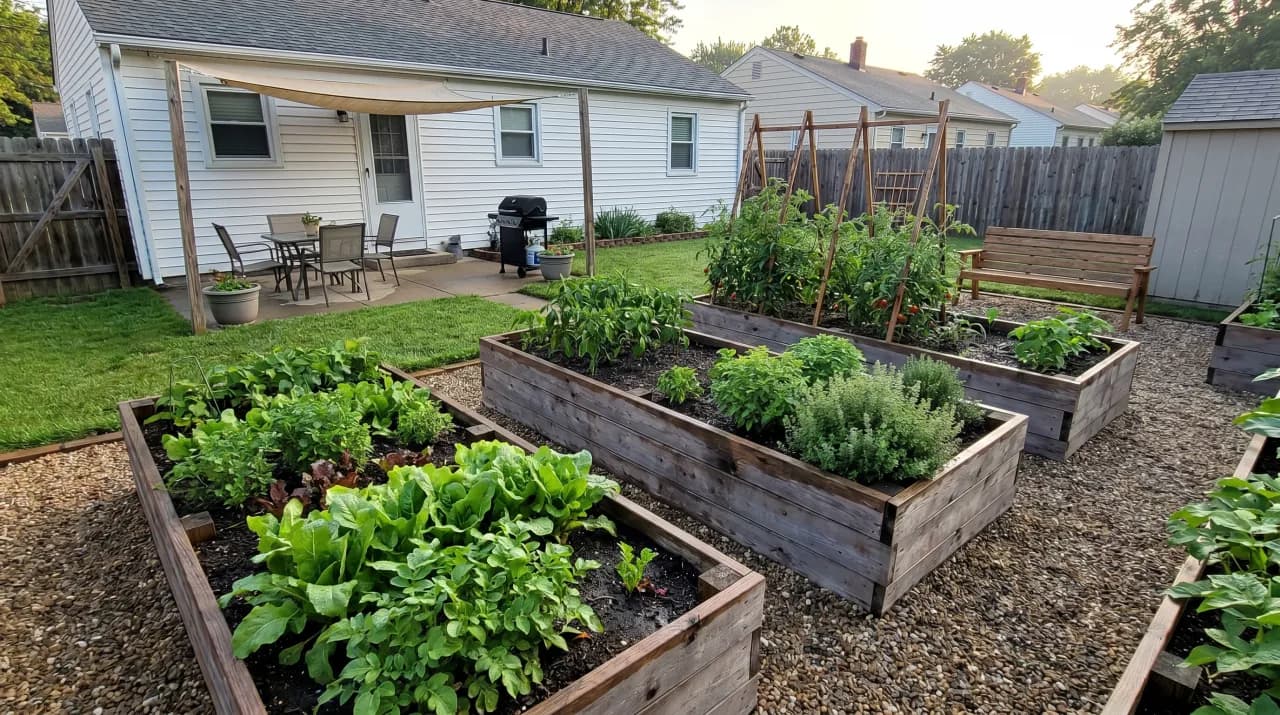
Edible Garden
Anonymous · 3mo ago
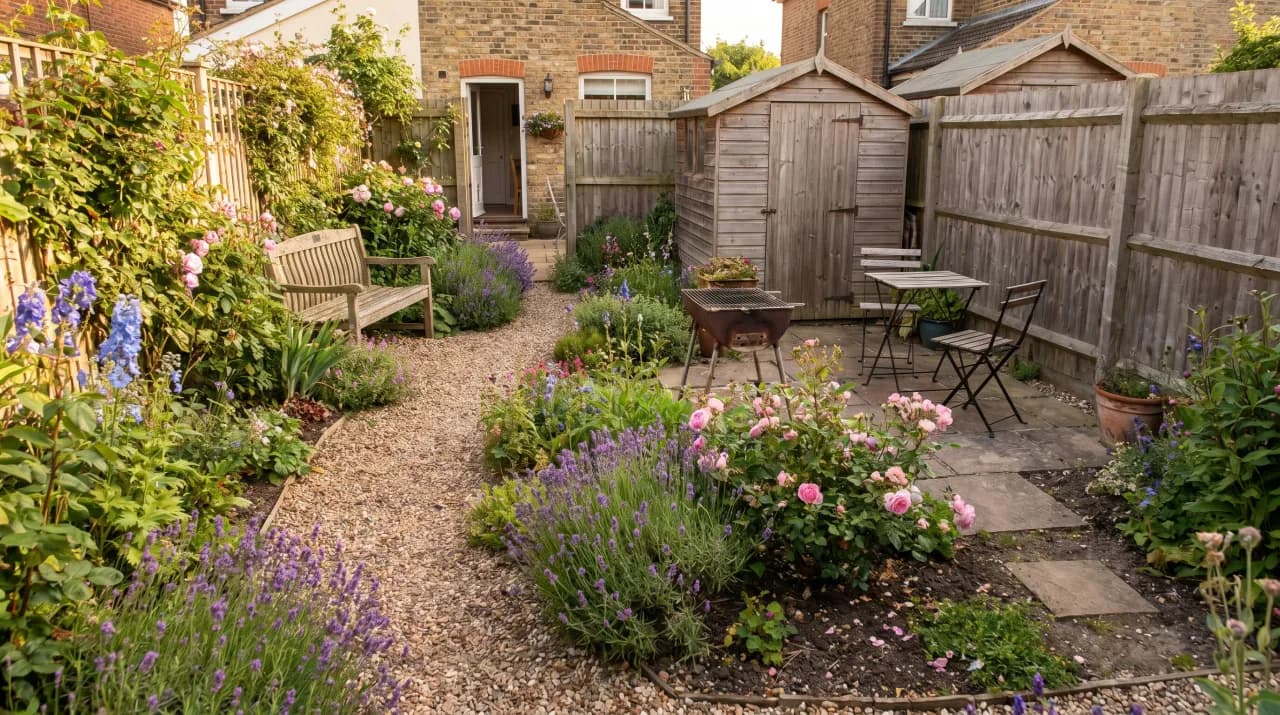
Cottage Garden
Anonymous · 3mo ago
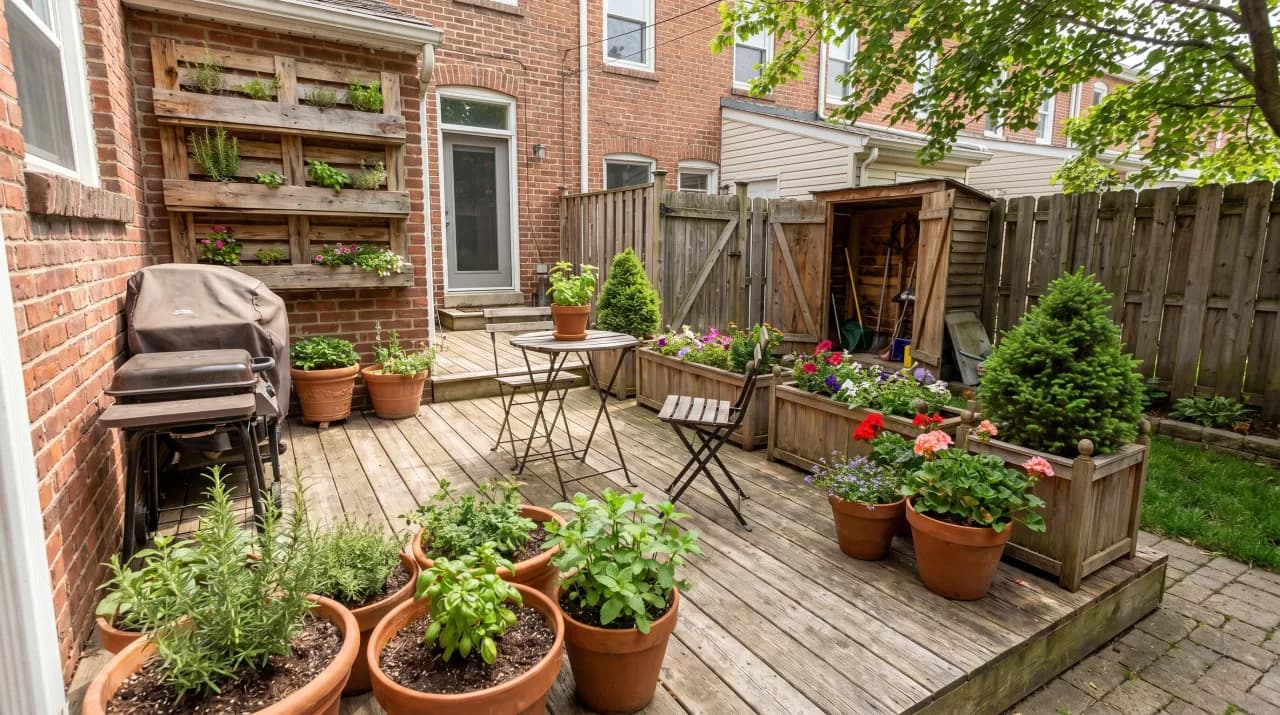
Edible Garden
Anonymous · 3mo ago
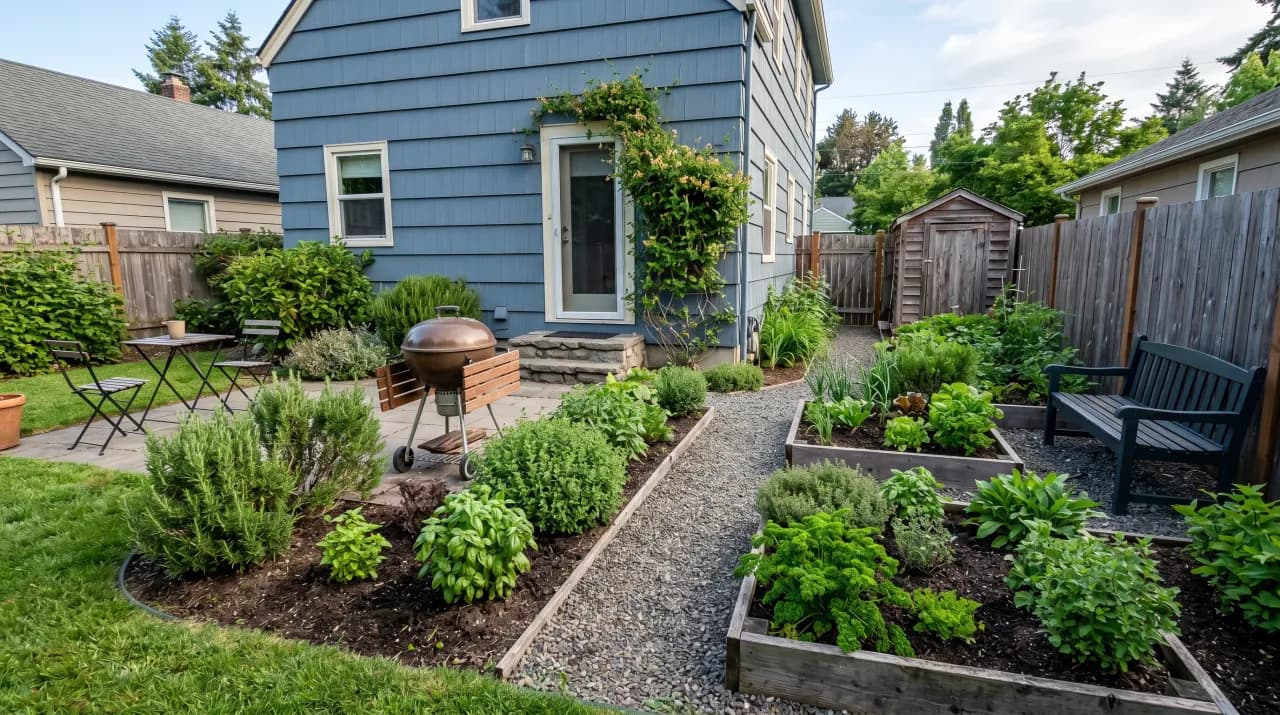
Edible Garden
Anonymous · 3mo ago
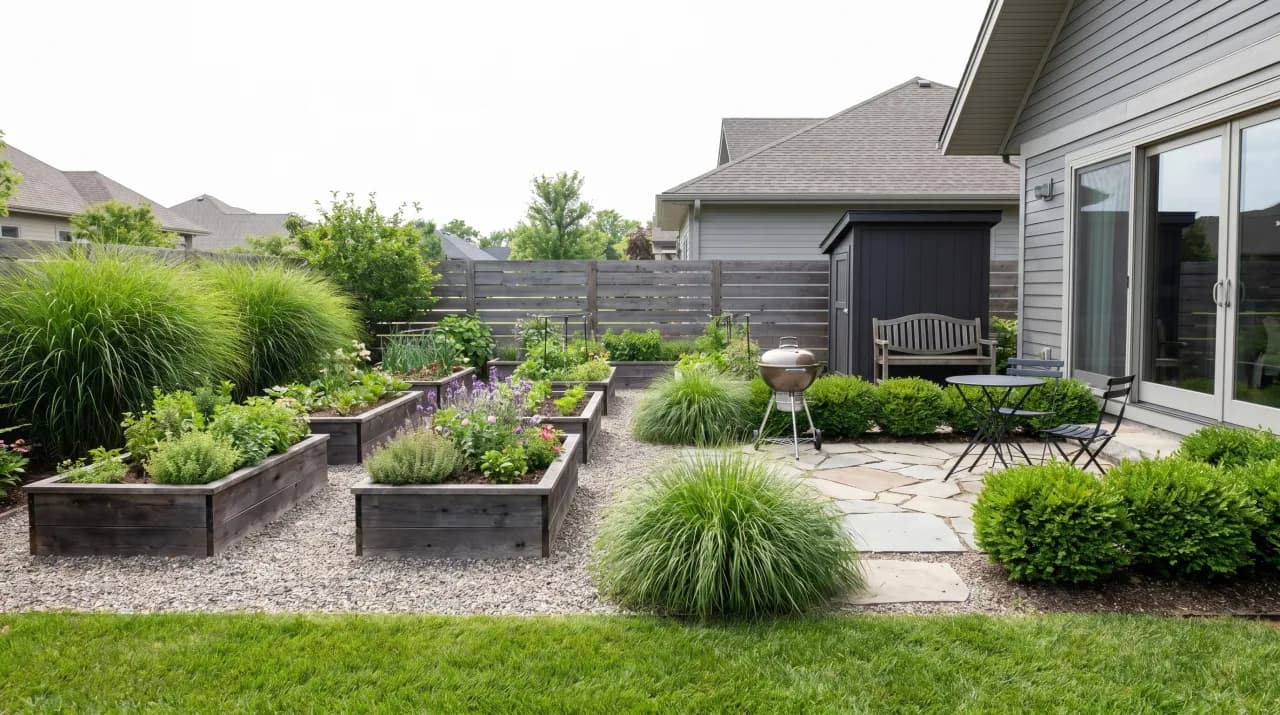
Edible Garden
Anonymous · 3mo ago
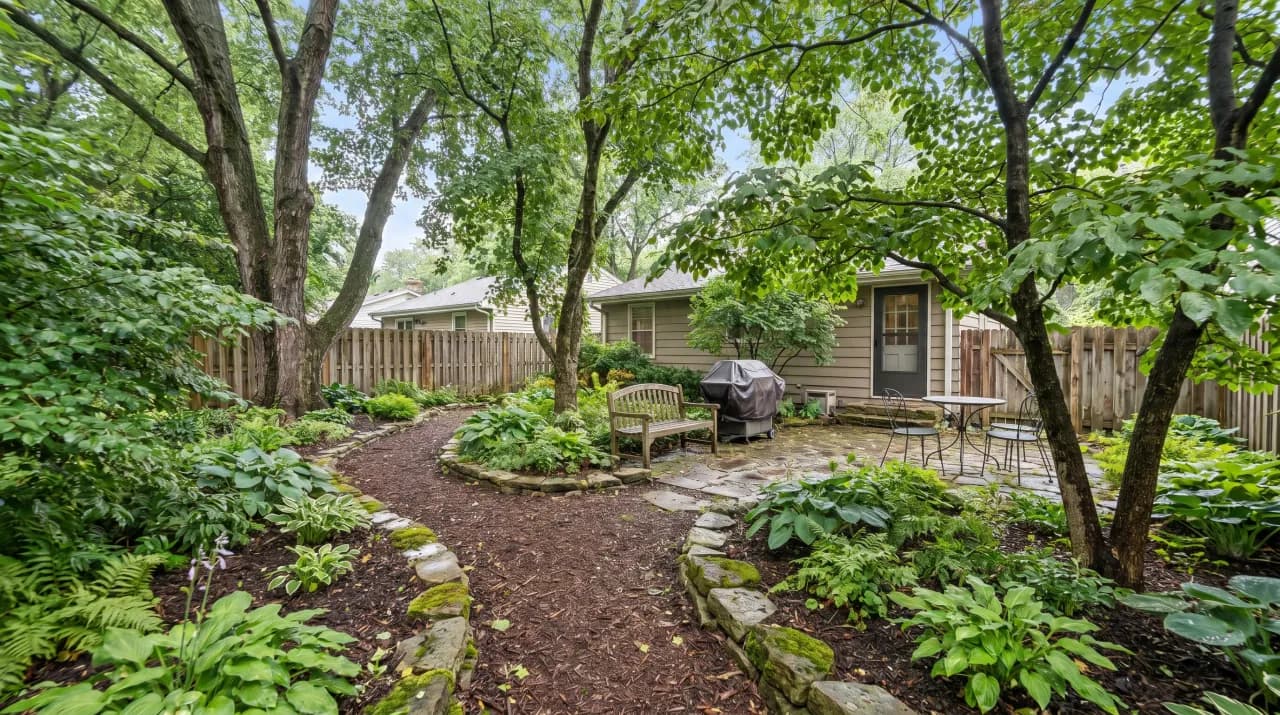
Woodland
Anonymous · 3mo ago
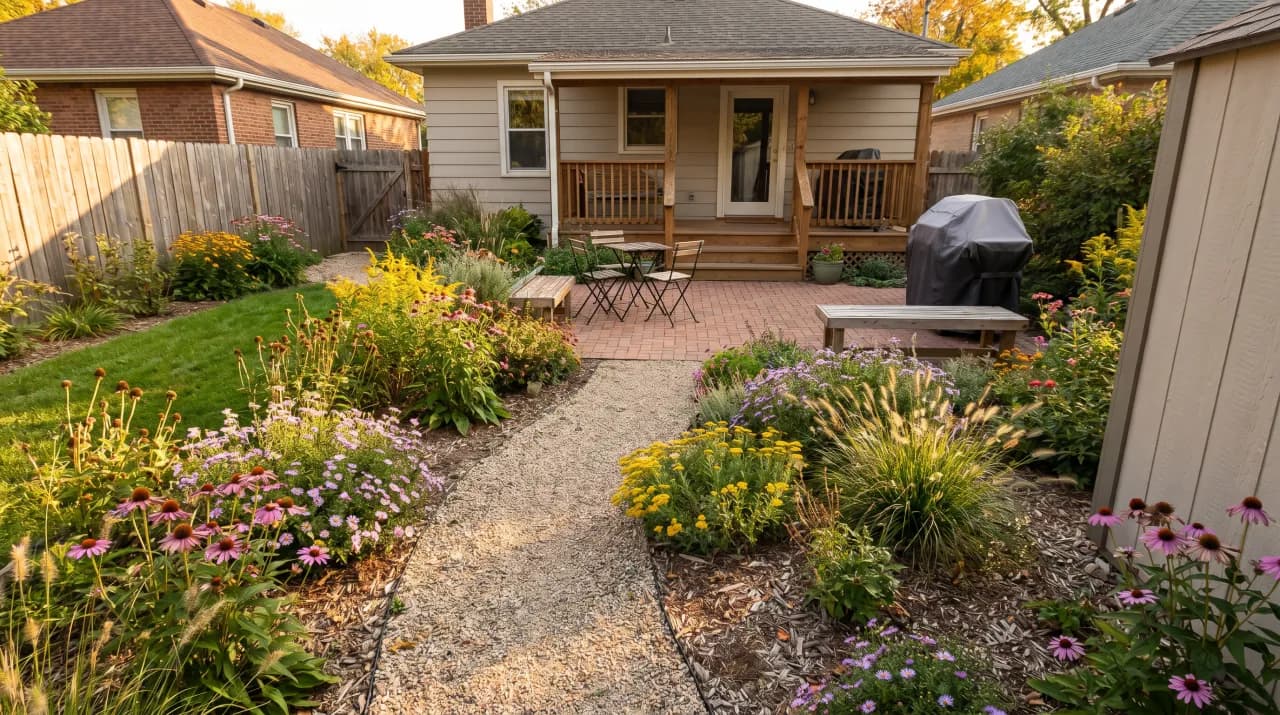
Prairie
Anonymous · 3mo ago
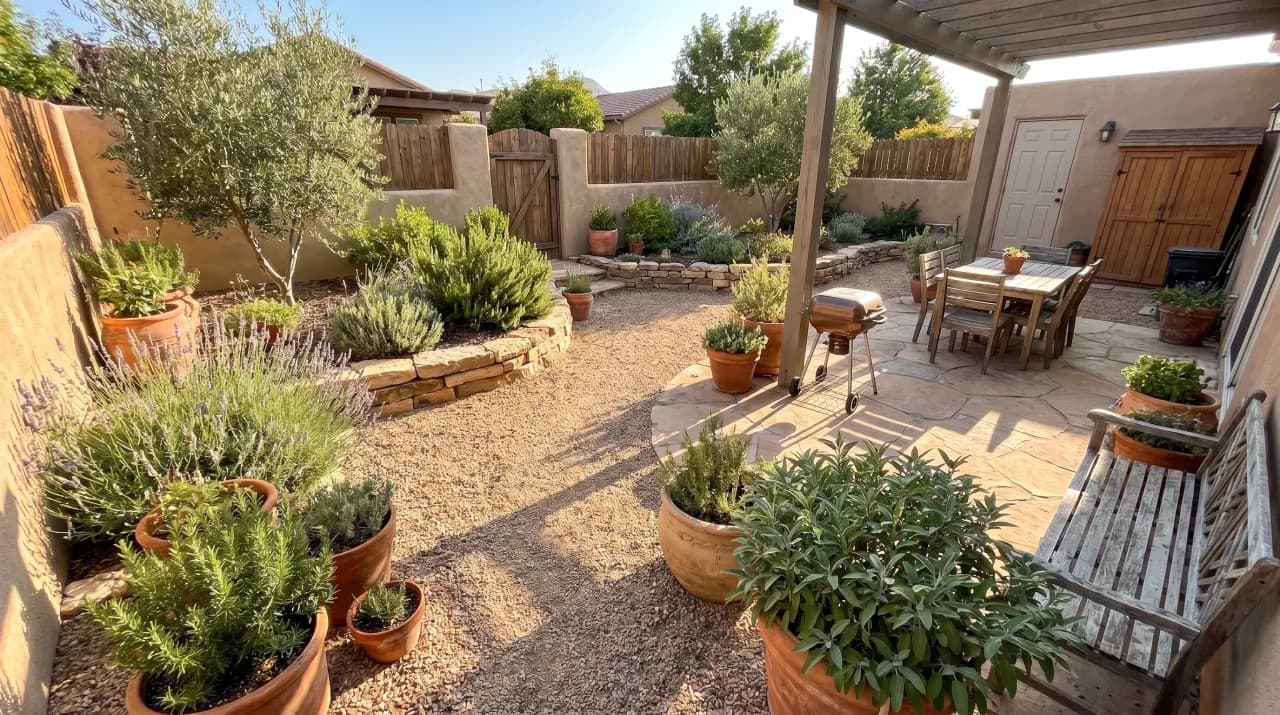
Mediterranean
Anonymous · 3mo ago
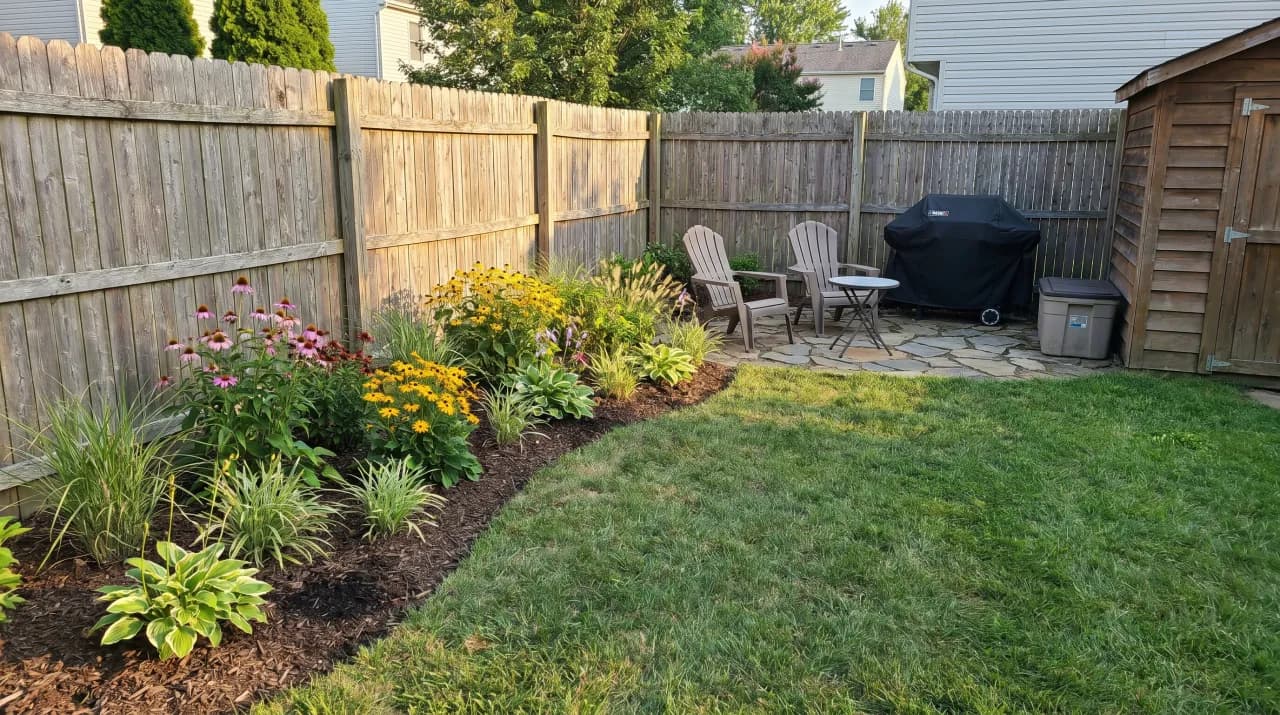
Pollinator Garden
Anonymous · 3mo ago
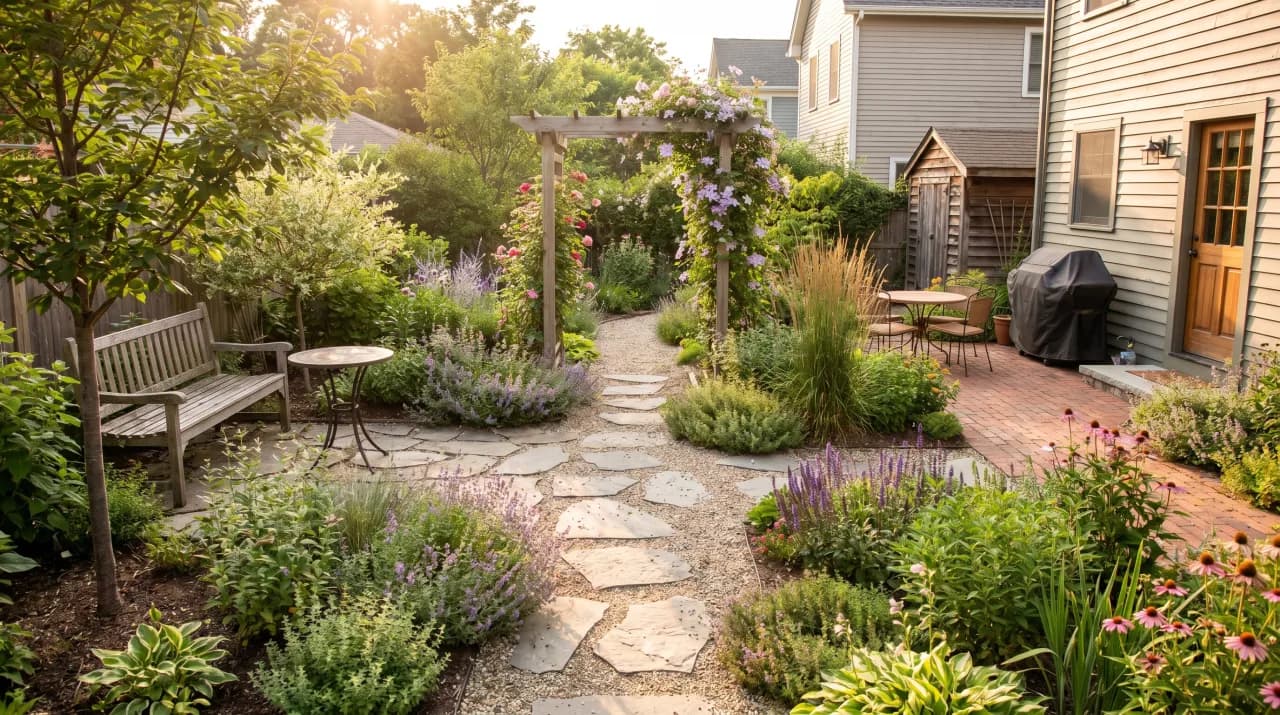
Cottage Garden
Anonymous · 3mo ago
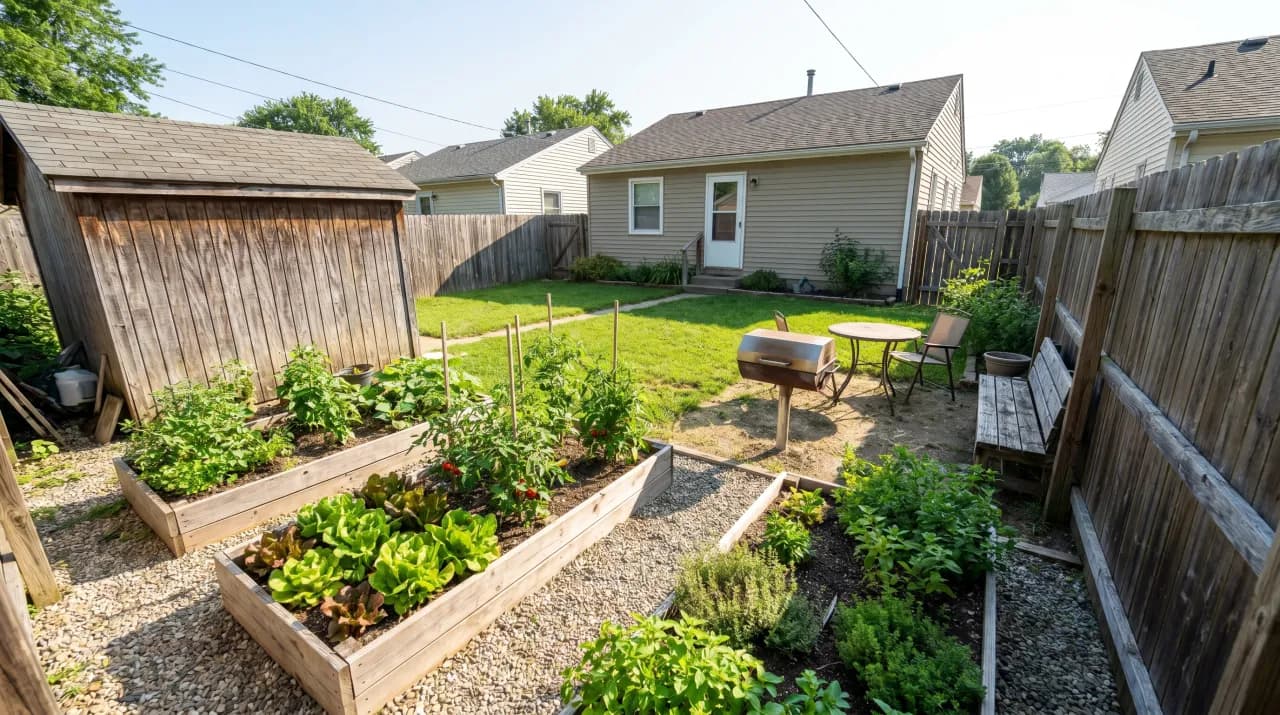
Edible Garden
Anonymous · 4mo ago
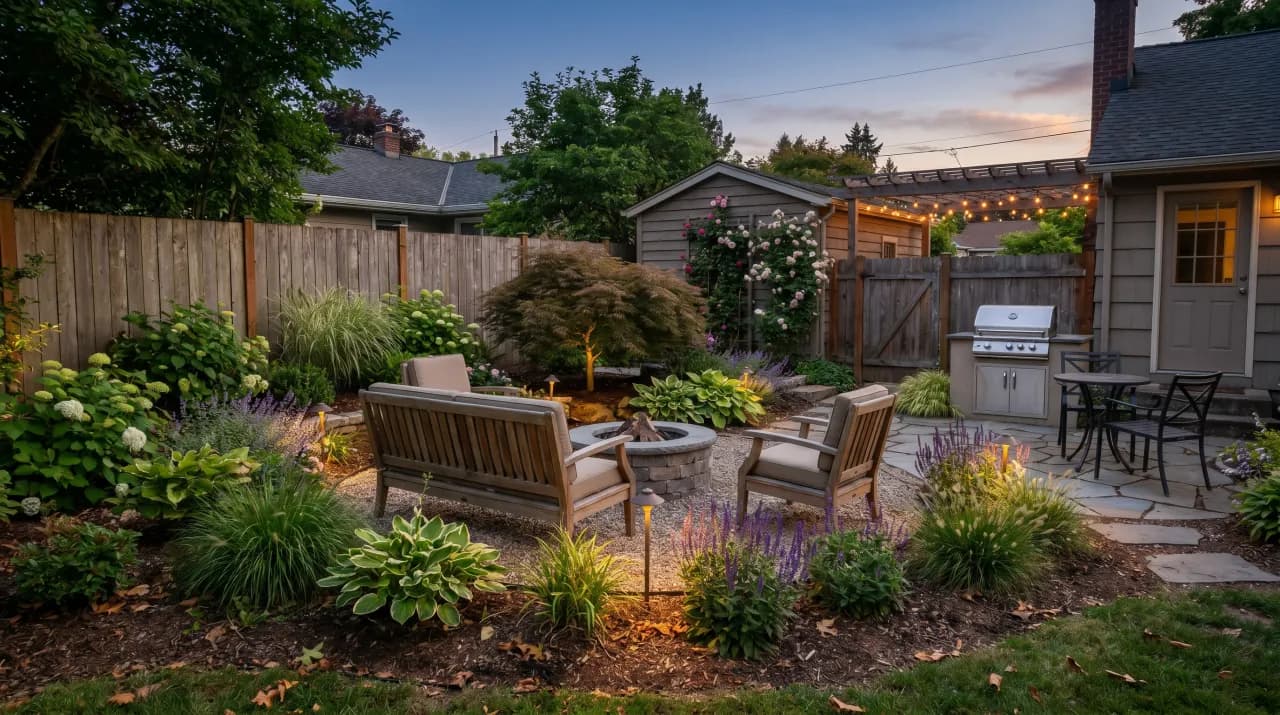
Entertainer's Yard
Anonymous · 4mo ago
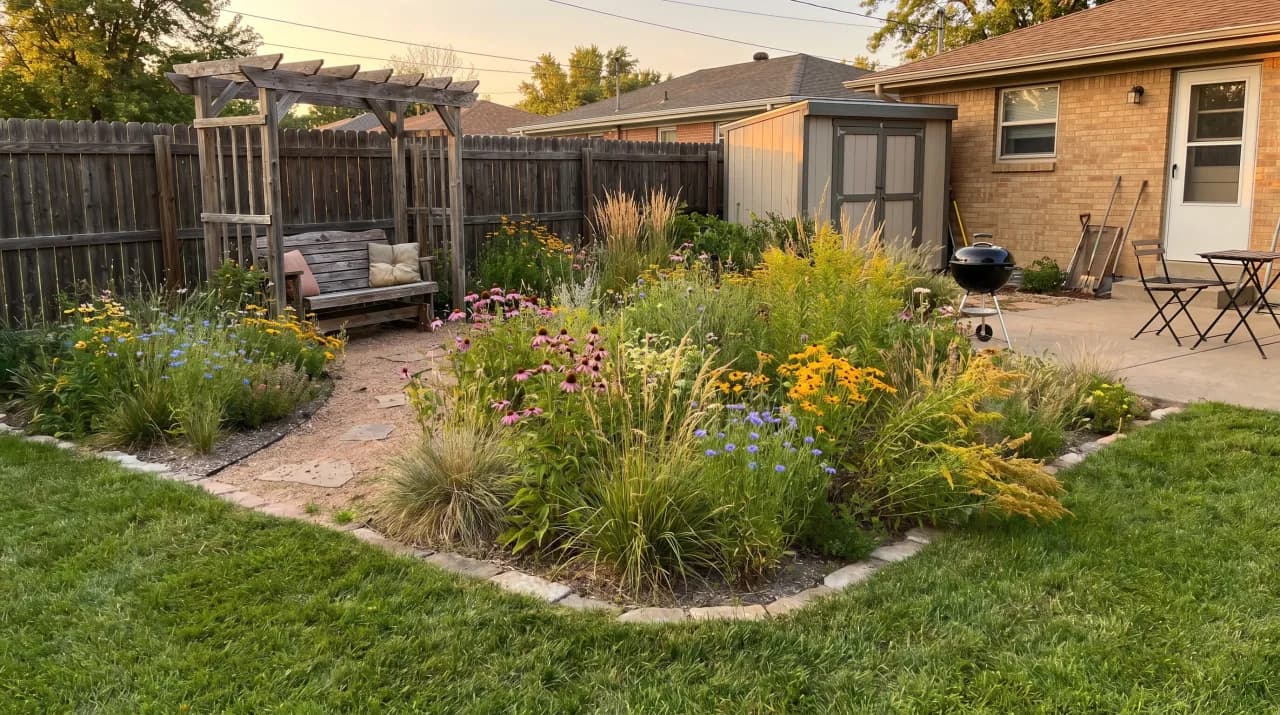
Pollinator Garden
Anonymous · 4mo ago
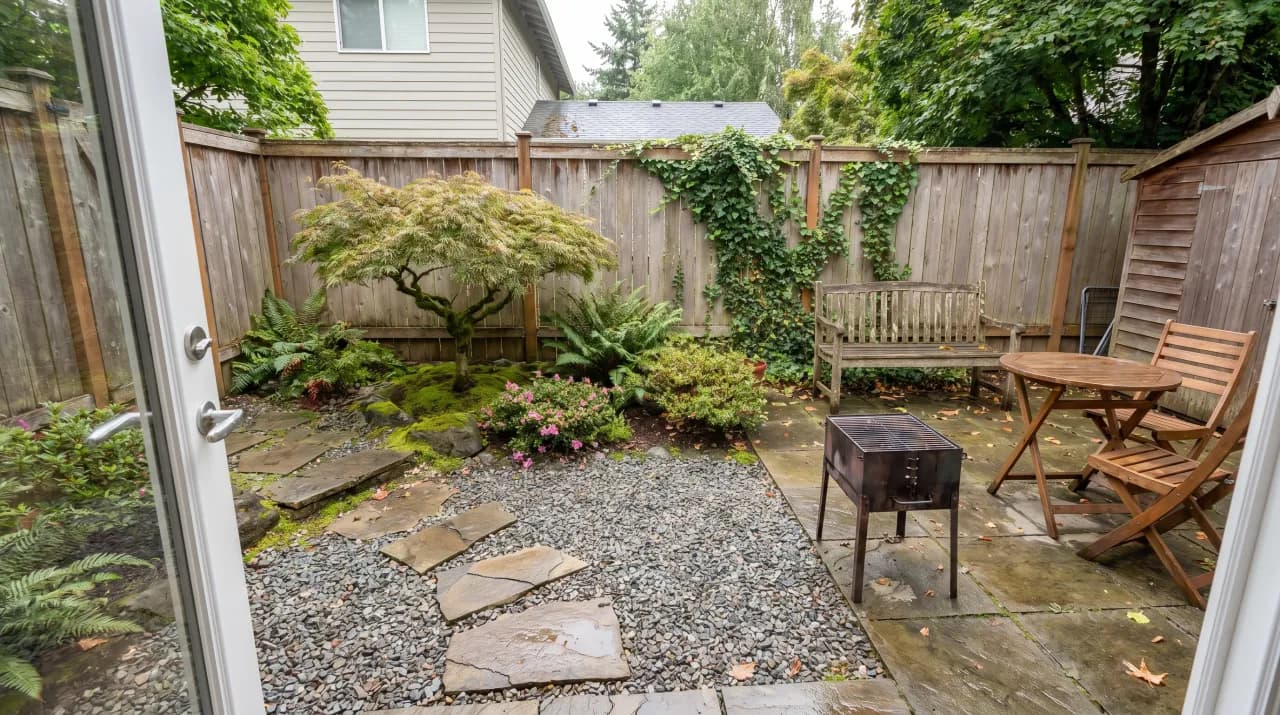
Pacific Northwest
Anonymous · 4mo ago
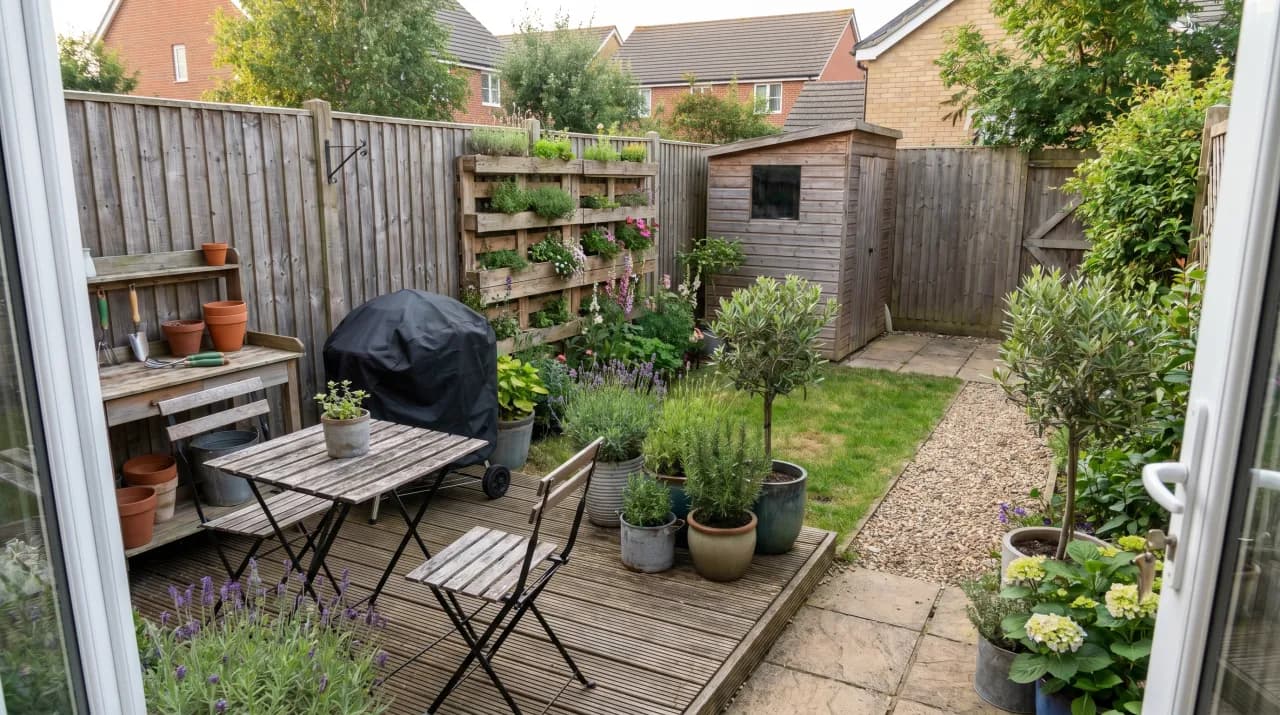
Low-Maintenance
Anonymous · 4mo ago
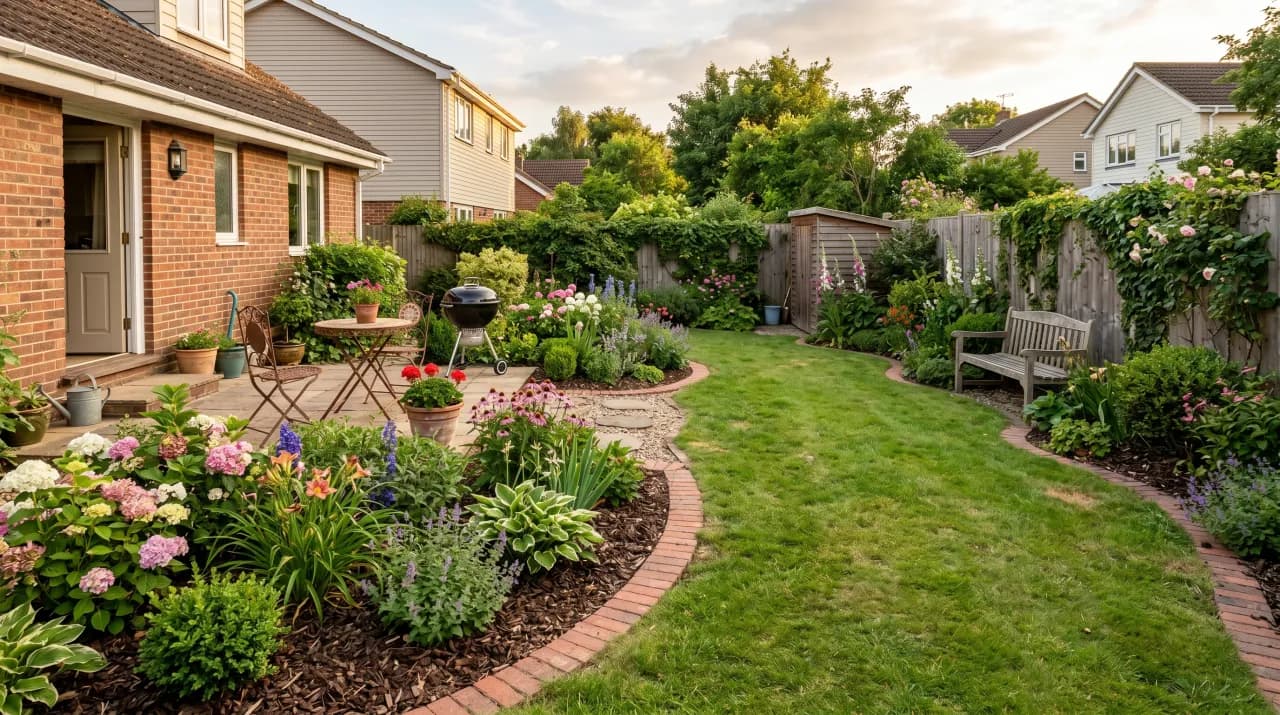
English Garden
Anonymous · 4mo ago
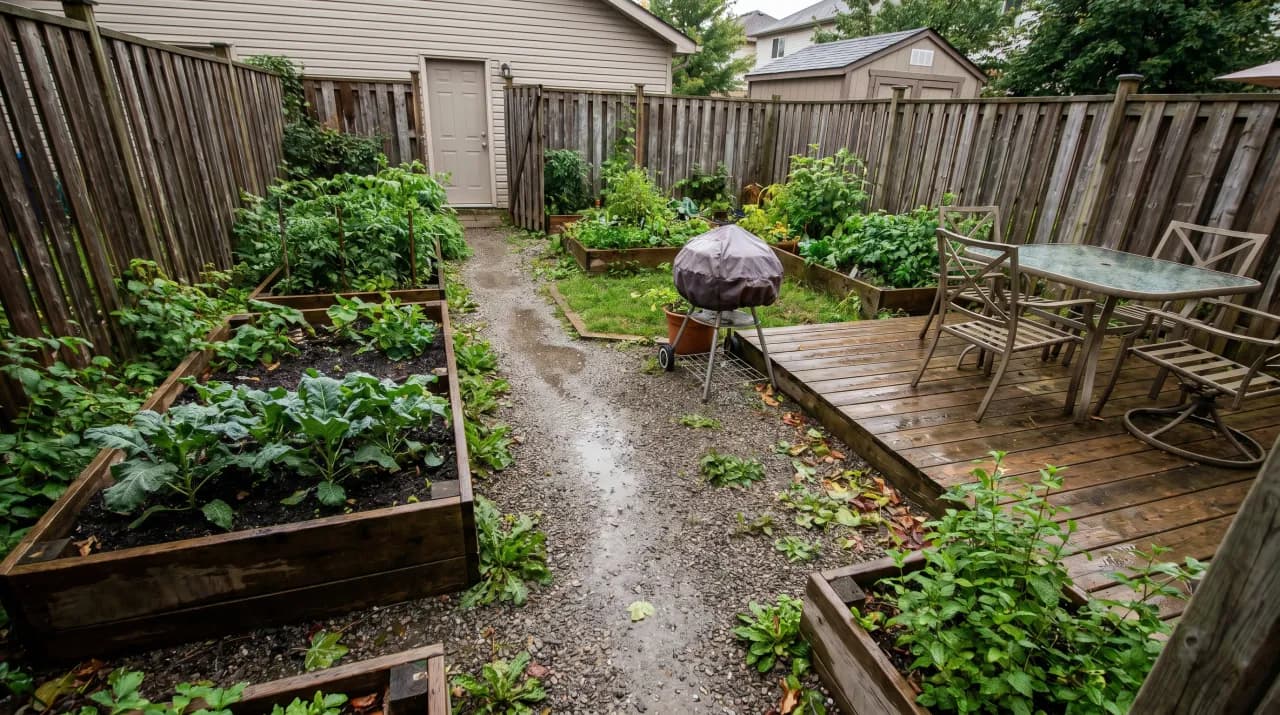
Edible Garden
Anonymous · 4mo ago
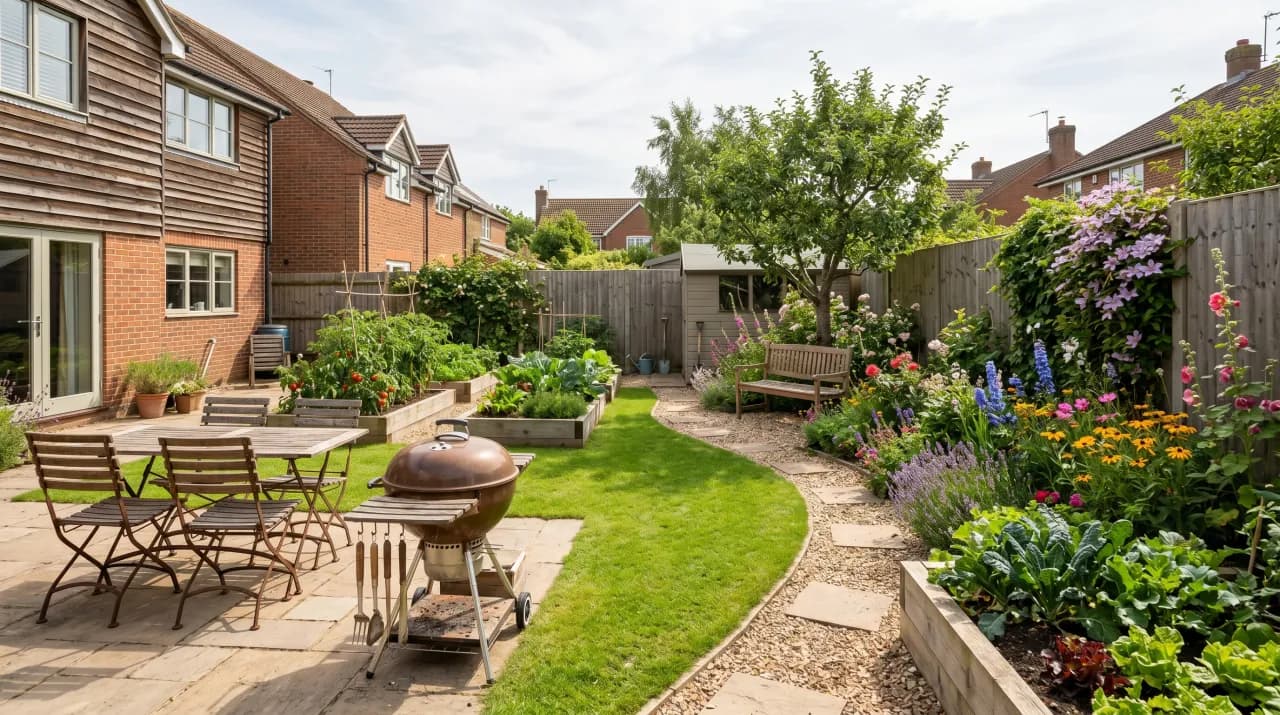
English Garden
Anonymous · 4mo ago
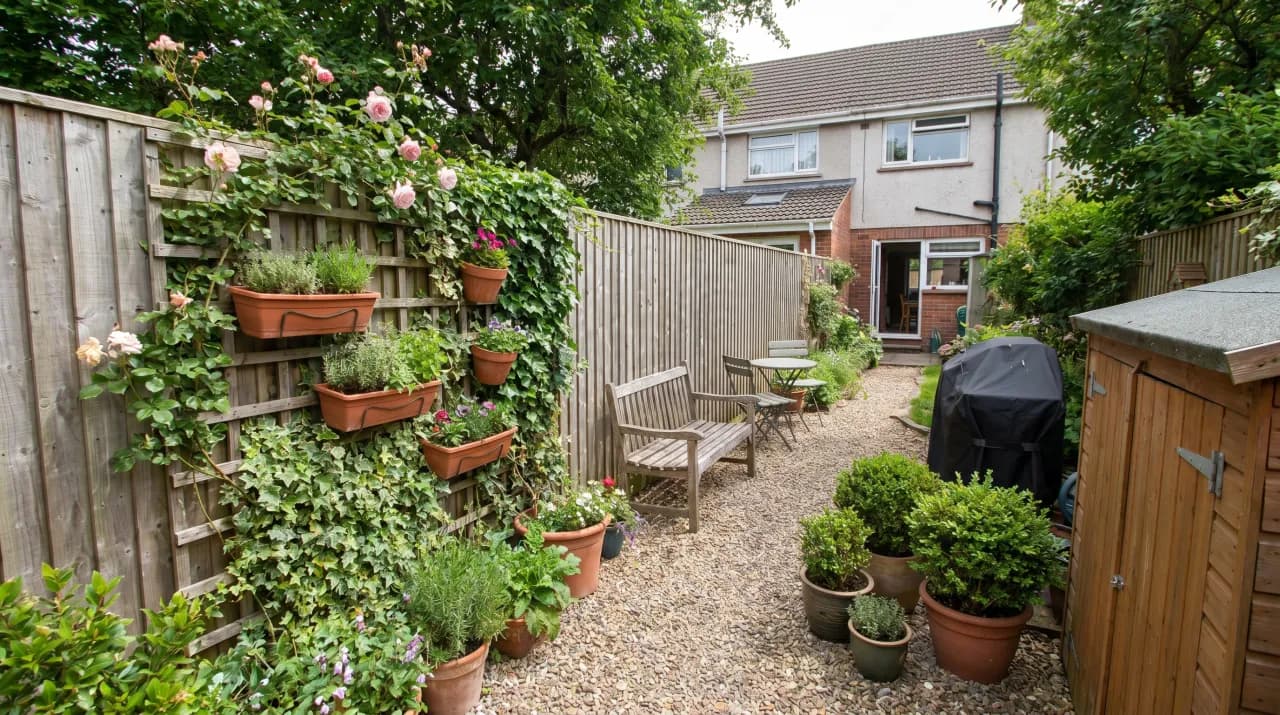
Cottage Garden
Anonymous · 4mo ago
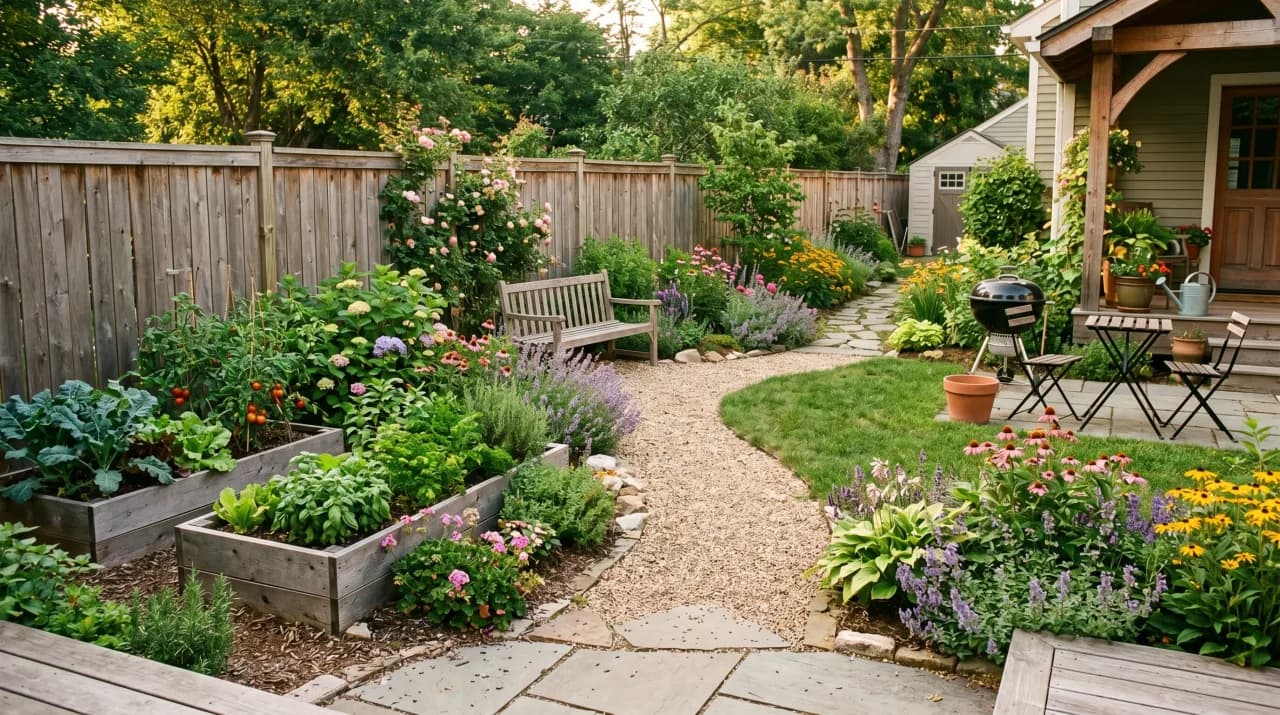
Cottage Garden
Anonymous · 4mo ago
Raised Beds and Edible Garden Ideas
Raised beds are the most popular starting point for backyard garden projects — they give you control over soil quality, keep the layout organized, and produce well even where native soil is poor or compacted. Cedar and composite weather best without treatment; corrugated metal has become popular for a cleaner modern look. The most common sizing mistake is building them too wide: 4 feet maximum lets you reach the center from both sides without stepping in. For small backyards, three raised beds with gravel paths between them plus a few large planters near the house is a complete edible garden that stays manageable in under an hour a week. Herb gardens scale down further — a single raised bed or a cluster of pots near the kitchen door is genuinely useful and easy to maintain.
Cottage, Japanese, and Rock Garden Ideas
Garden style shapes the entire mood of a space, and three styles dominate the low-maintenance end of the spectrum. Cottage gardens — loose, layered, full of roses, foxgloves, and climbing clematis — create a romantic, lived-in feel that suits older homes and irregular spaces and actually improve as they mature and self-seed. Japanese-inspired gardens work through restraint: decomposed granite, moss, a single Japanese maple, and a few carefully placed stones create calm through simplicity rather than abundance. Rock gardens are one of the most underrated approaches for difficult sites — slopes, dry sandy soil, full sun — where naturalistic rock placement with drought-tolerant alpines and sedums requires almost no maintenance and looks structured year-round. All three styles are represented in the designs above.
Pollinator, Prairie, and Native Garden Ideas
The shift toward native and pollinator-focused planting has been the most significant change in garden design over the last decade — and the reasons are mostly practical, not just aesthetic. Native plants are adapted to local rainfall and soil, meaning no irrigation once established, no fertilizer, and far less pest pressure than exotic ornamentals. A pollinator garden planted with coneflowers, rudbeckia, black-eyed Susans, and native grasses provides continuous bloom from spring through fall with very little intervention. Prairie-style planting takes this further — large drifts of ornamental grasses and wildflowers managed by a single cut in late winter. Shade garden ideas follow the same logic: hostas, ferns, astilbe, and hellebores in a shaded spot do better than trying to force sun-loving plants where they won't thrive. These gardens look best when they lean into informality rather than fighting it.
Frequently Asked Questions
- How do I start a garden from scratch?
- The only first step that matters is observing where the sun falls. Spend a day noting which areas get full sun (6+ hours), partial shade (3–5 hours), and full shade. Every other decision — what to plant, whether raised beds make sense, whether to add gravel or keep lawn — follows from that. Start with one small area, get it right, then expand. An overly ambitious first-year garden is how most people give up.
- What garden style requires the least maintenance?
- Native and prairie-style gardens are the lowest-maintenance once established — typically one cut in late winter and nothing else. Rock gardens with drought-tolerant alpines and sedums come close. The common thread: choose plants matched to your actual conditions (sun, soil, climate) rather than fighting the site with irrigation and amendments.
- What plants are best for attracting pollinators?
- Coneflowers (echinacea), black-eyed Susans, lavender, salvia, native asters, and ornamental grasses are all reliable. The key is continuous bloom across the season — plant a mix that flowers from spring through fall rather than peaking all at once. Native species almost always outperform exotic ornamentals for local pollinators.
More landscaping ideas
See any of these styles on your own yard
Upload a photo of your yard and our AI will redesign it in seconds.