
Backyard Patio Ideas
A backyard patio is the highest-return outdoor investment most homeowners can make — it creates usable space that actually gets used. The designs below cover the full range: casual gravel setups with a fire pit, formal paver entertaining areas, covered pergola dining rooms, and compact layouts for smaller yards. Click "Use this style" on any card to see it applied to your own backyard.
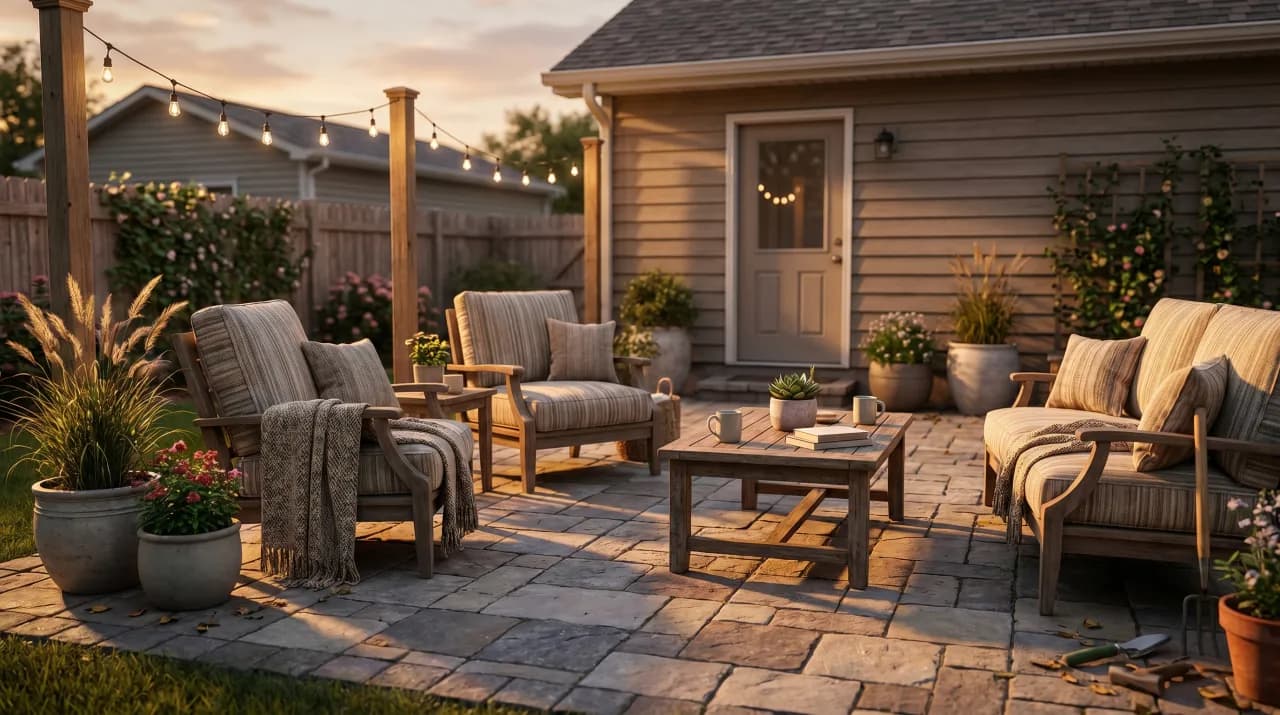
Entertainer's Yard
Anonymous · 3mo ago
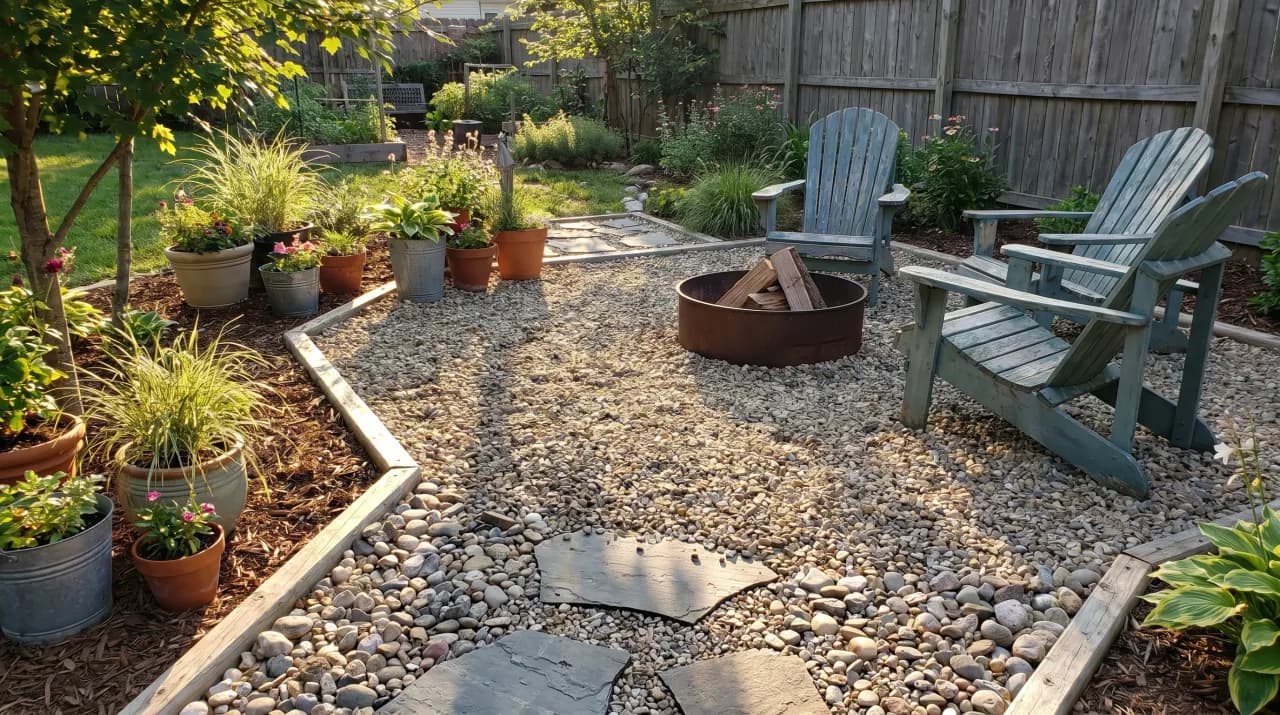
Rustic
Anonymous · 3mo ago
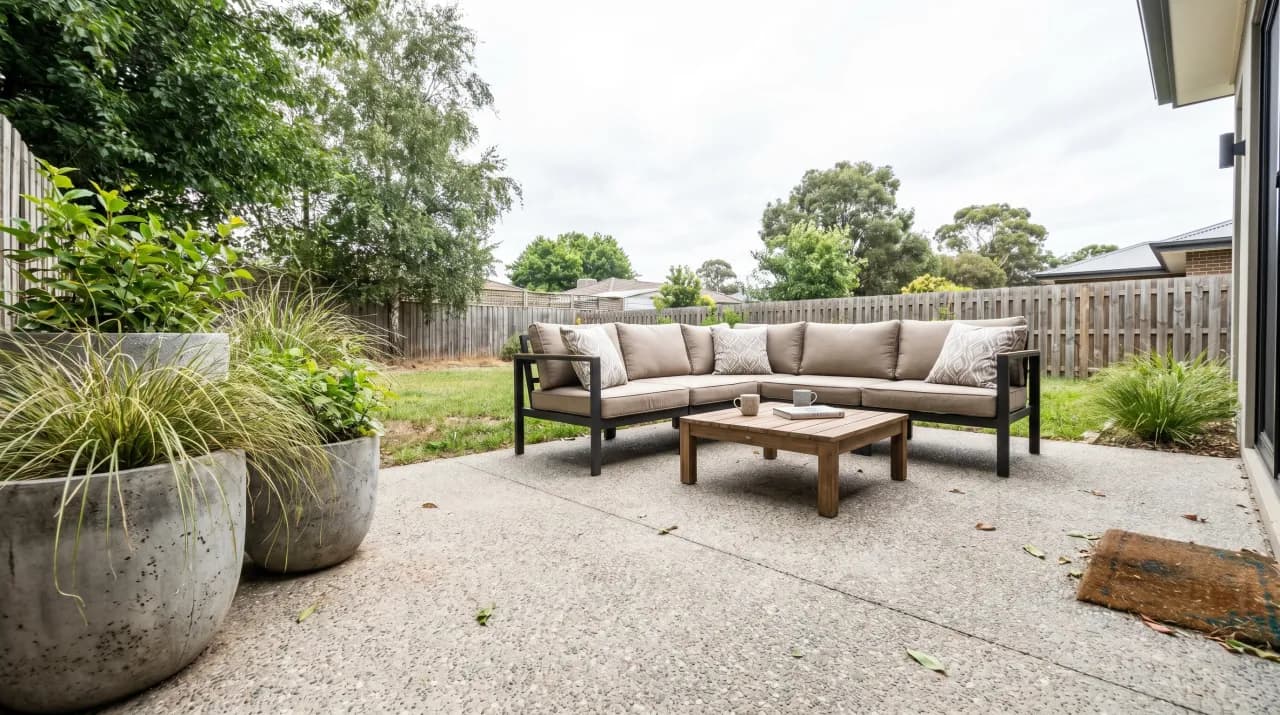
Contemporary
Anonymous · 3mo ago
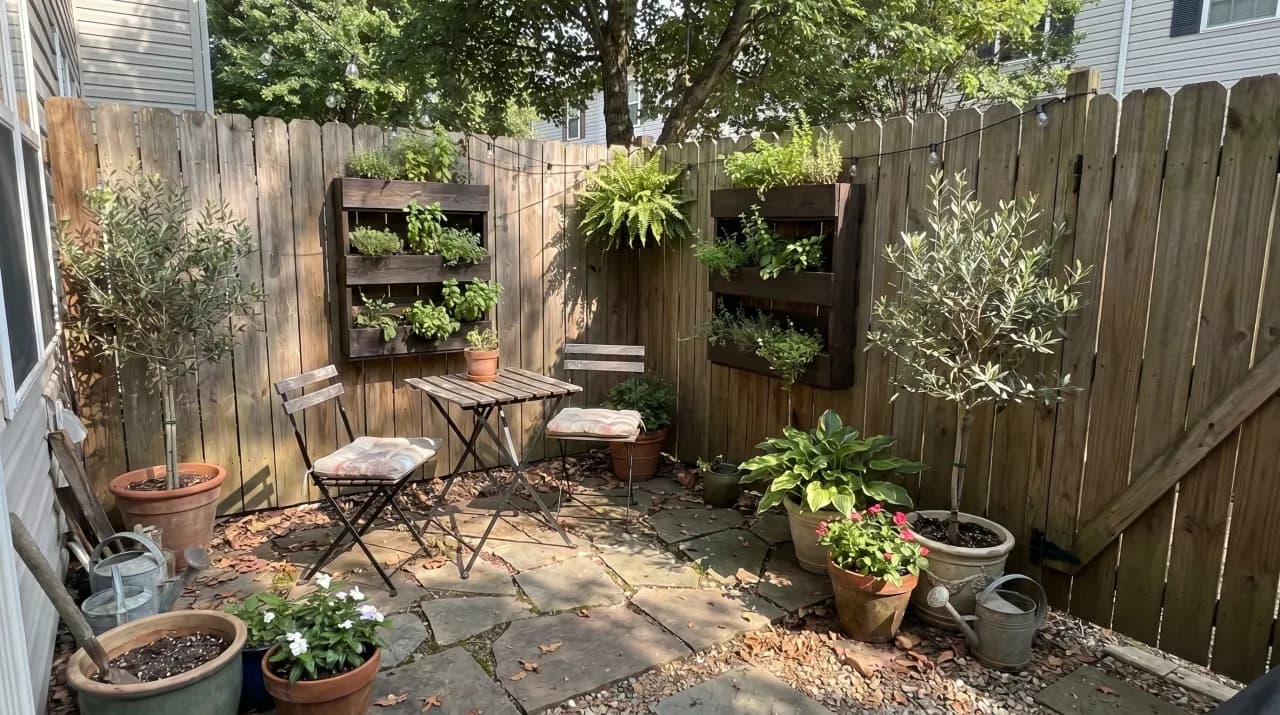
Modern Bohemian
Anonymous · 3mo ago
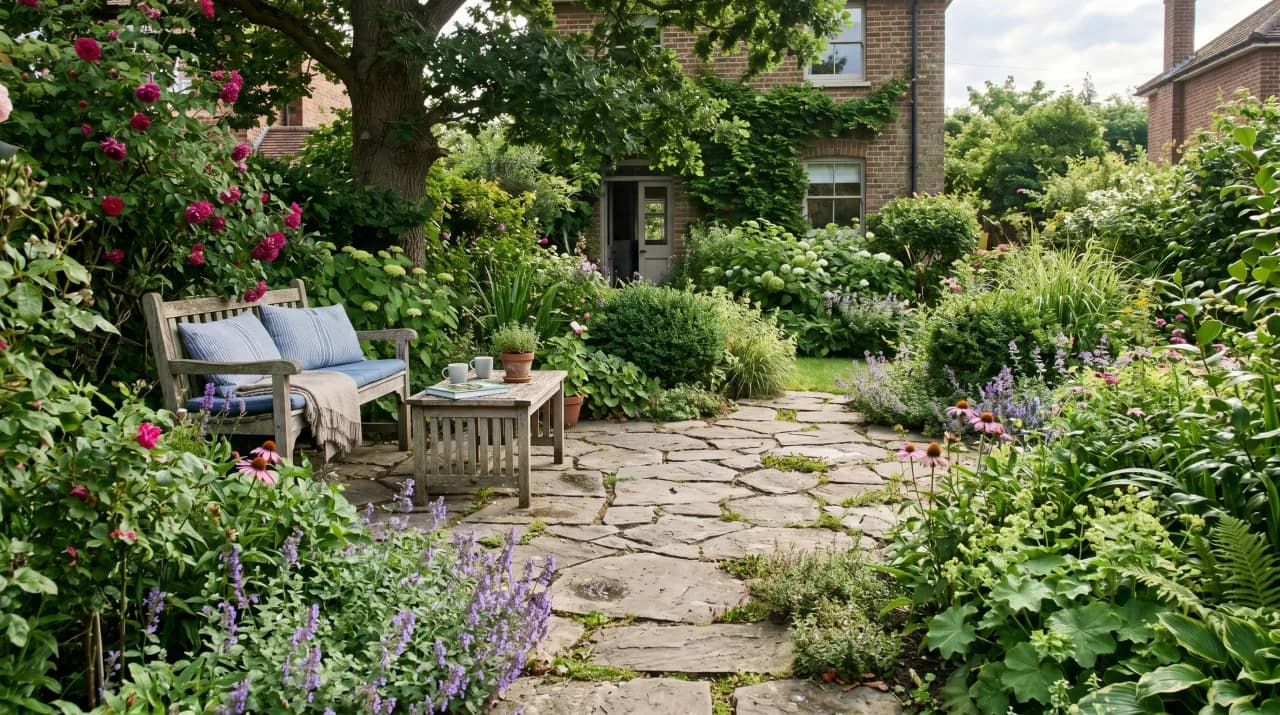
English Garden
Anonymous · 3mo ago
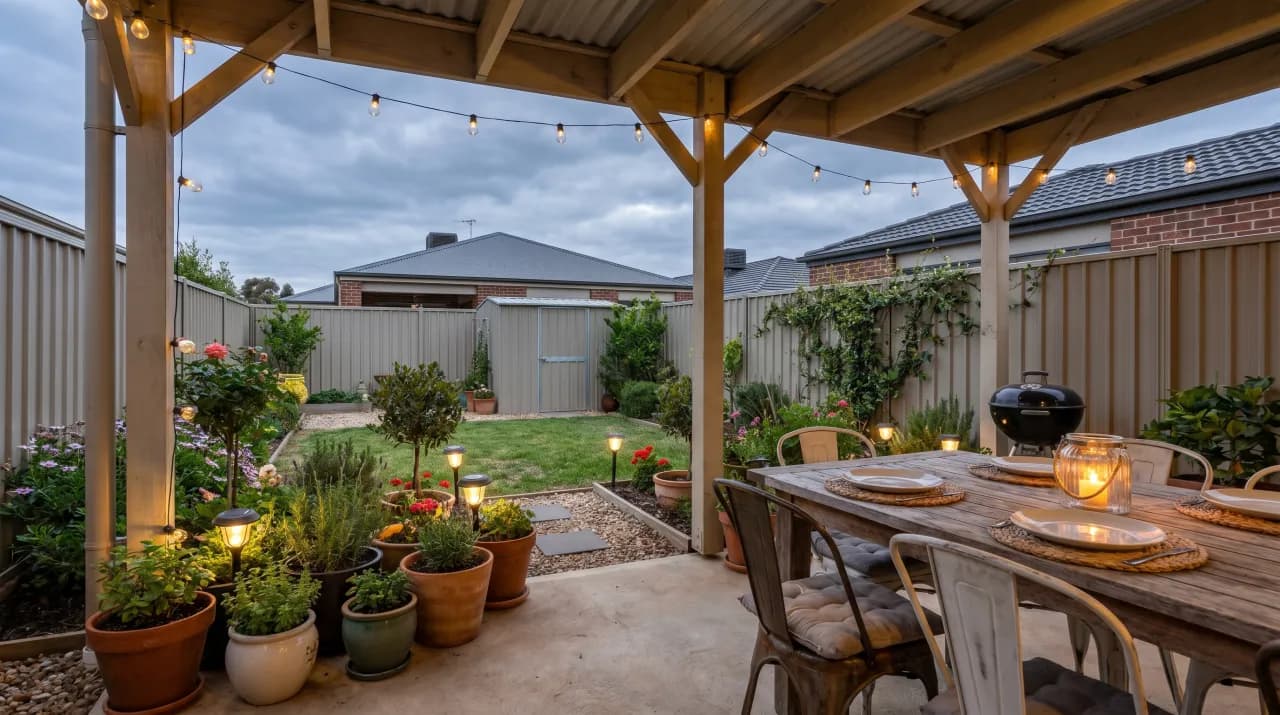
Entertainer's Yard
Anonymous · 3mo ago
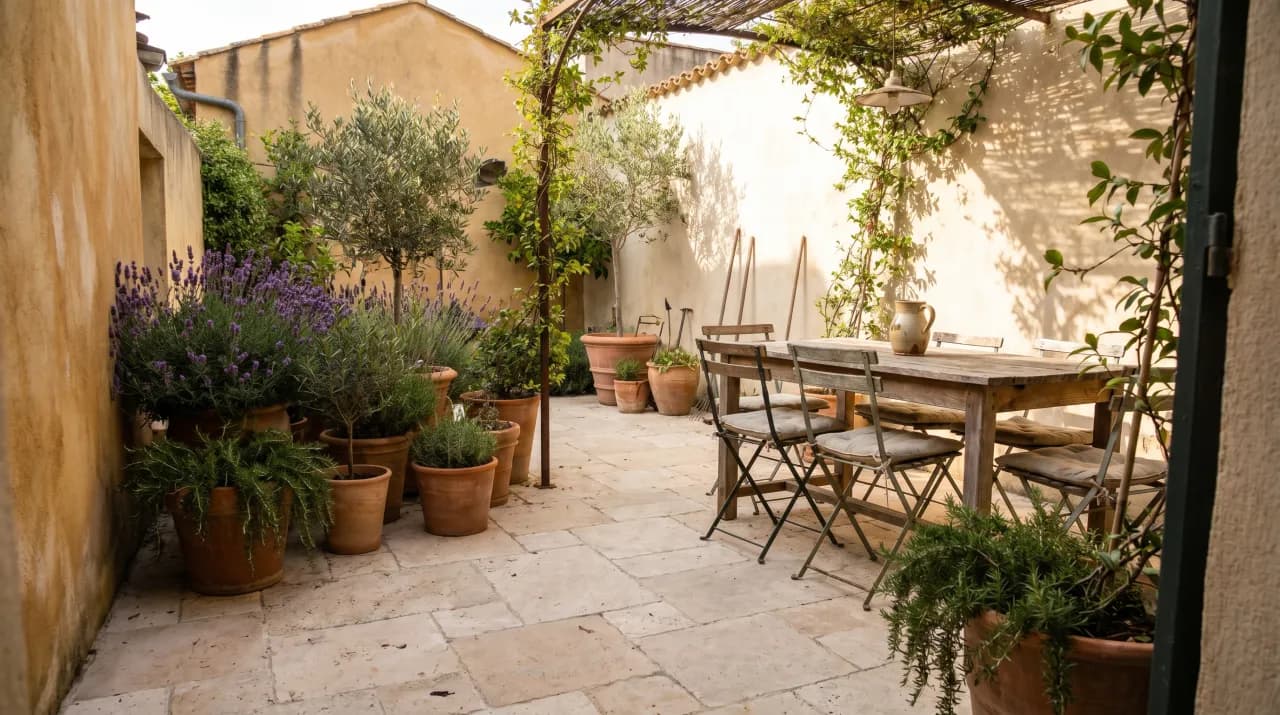
Mediterranean
Anonymous · 3mo ago
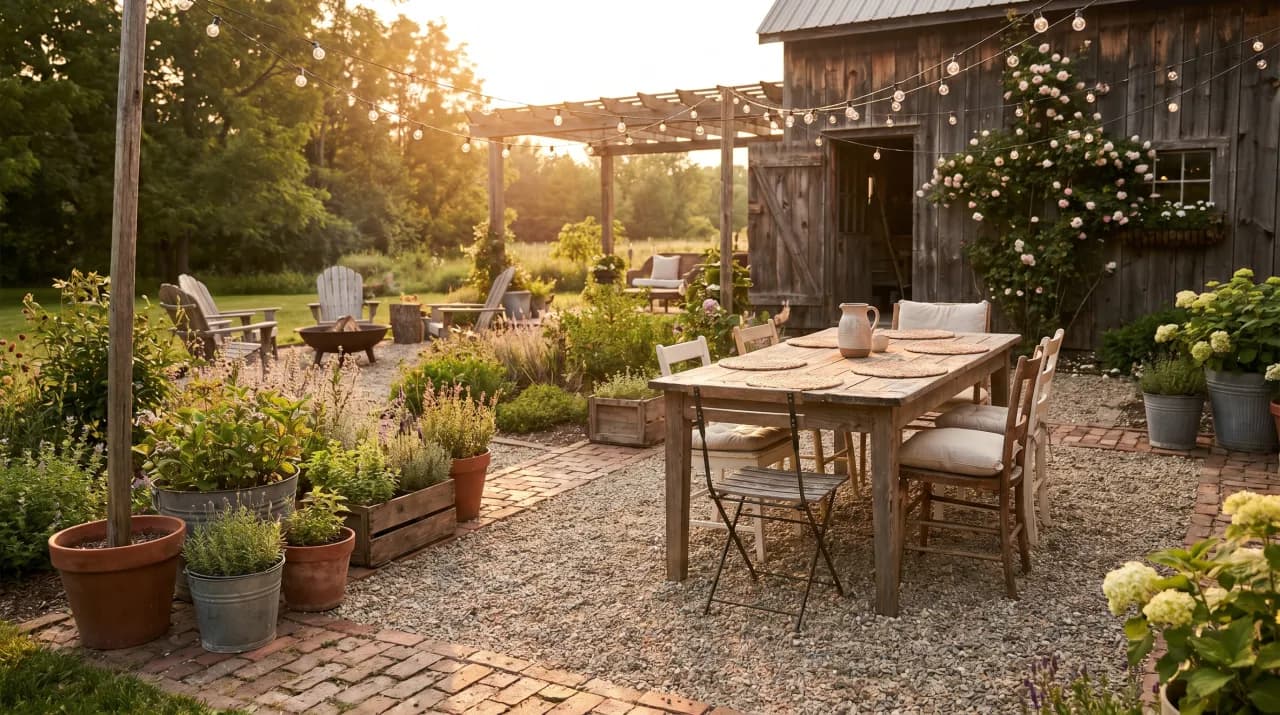
Modern Farmhouse
Anonymous · 3mo ago
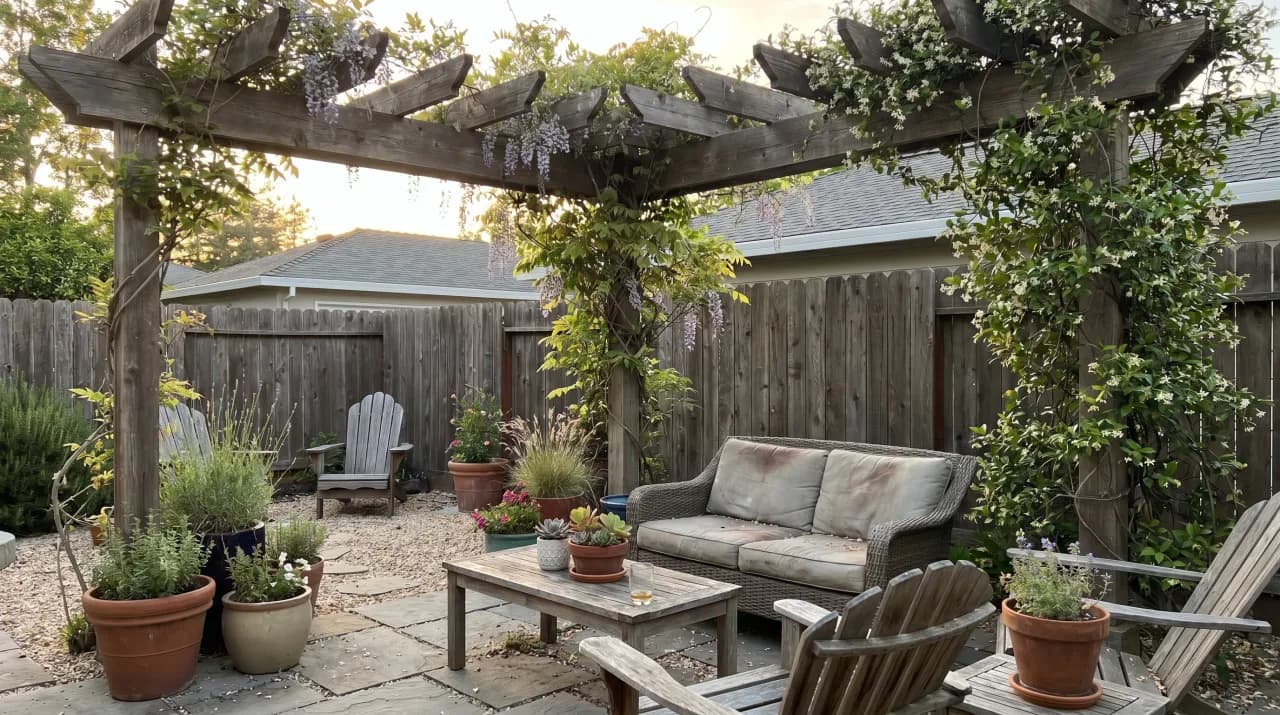
Cottage Garden
Anonymous · 3mo ago
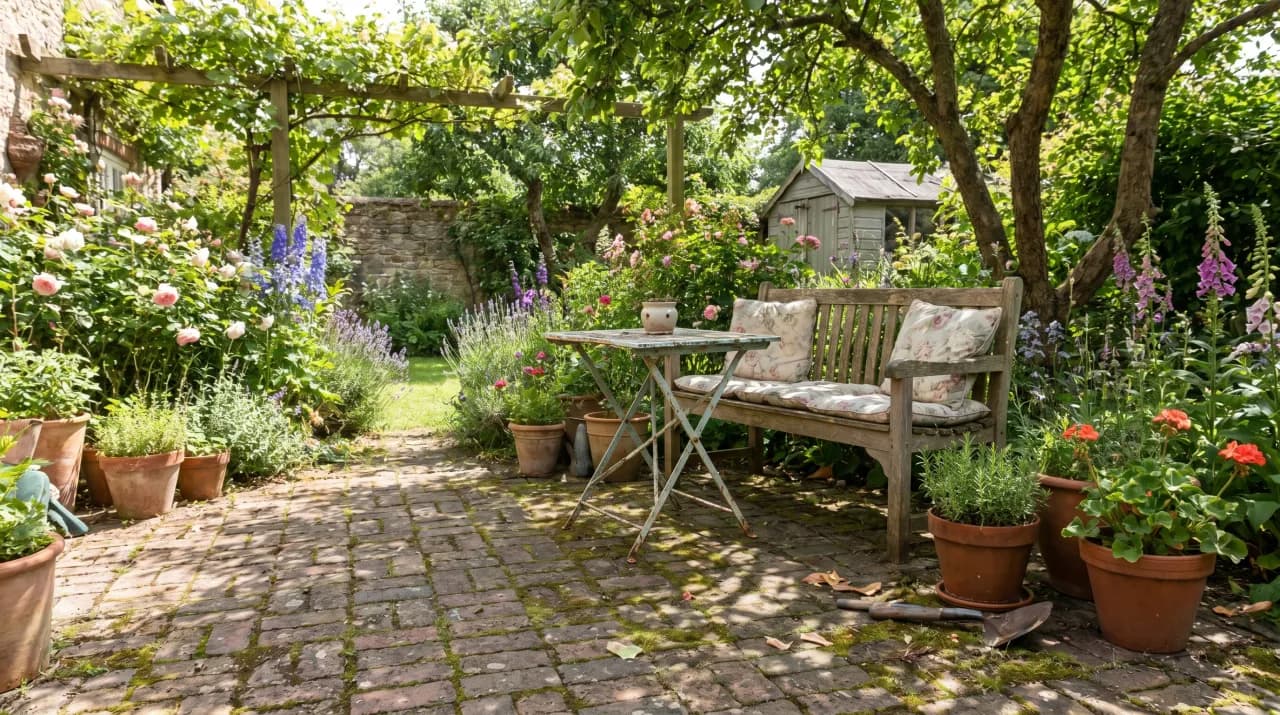
Cottage Garden
Anonymous · 3mo ago
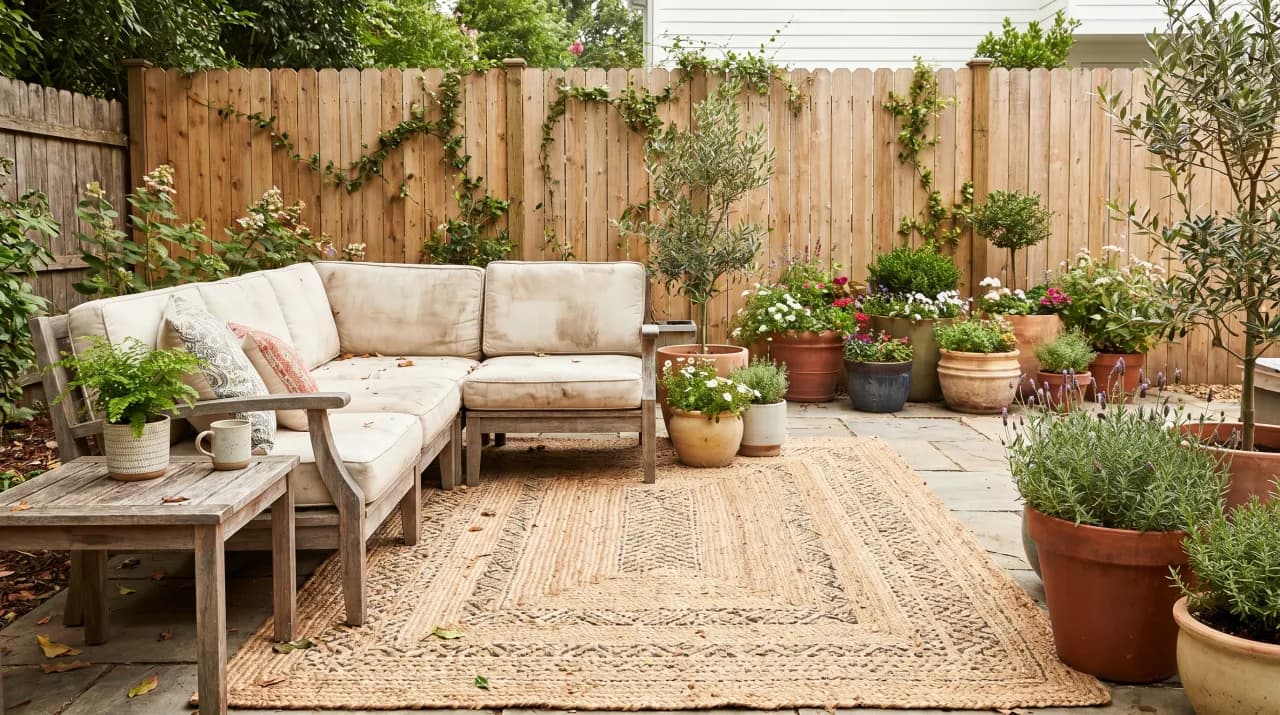
Organic Modern
Anonymous · 4mo ago
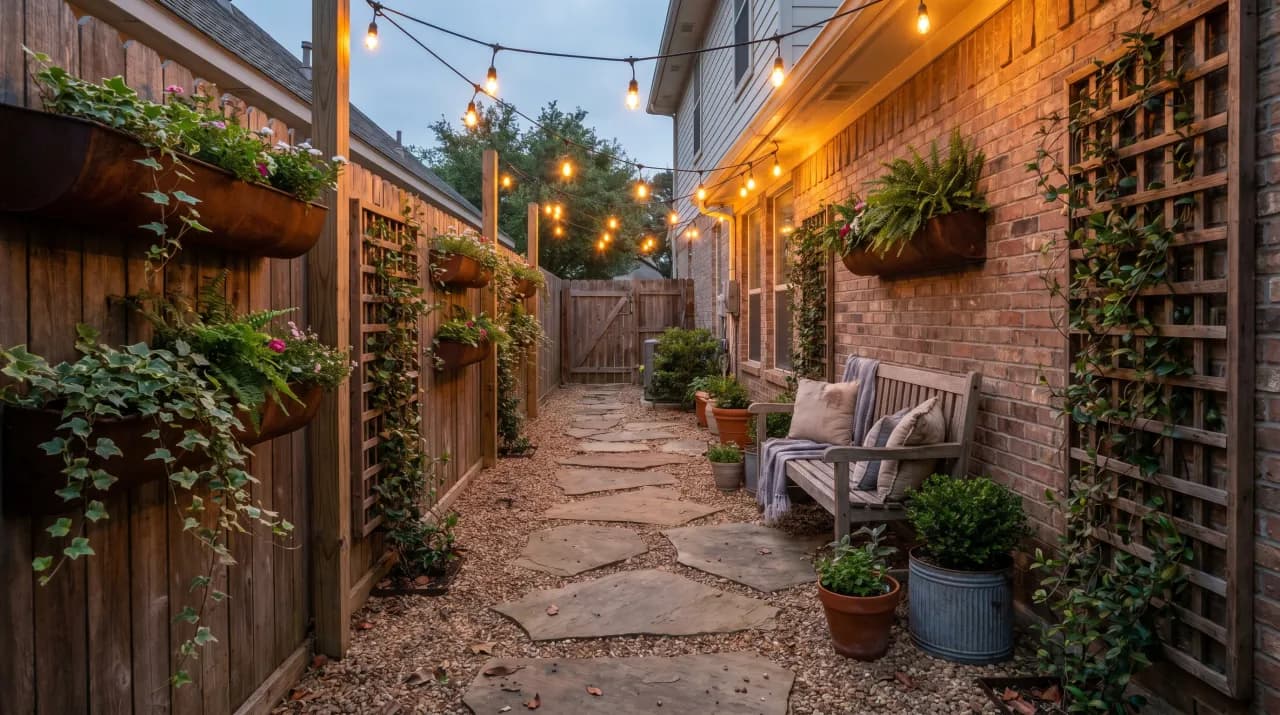
Cottage Garden
Anonymous · 4mo ago
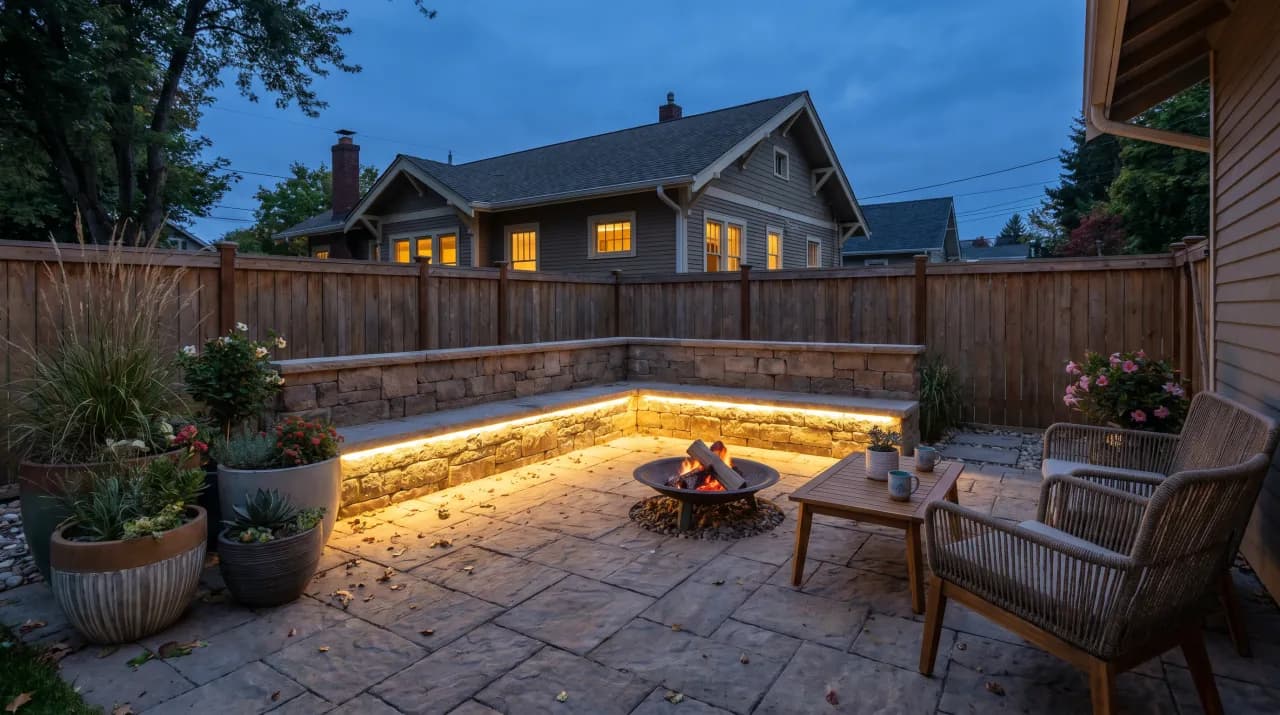
Entertainer's Yard
Anonymous · 4mo ago
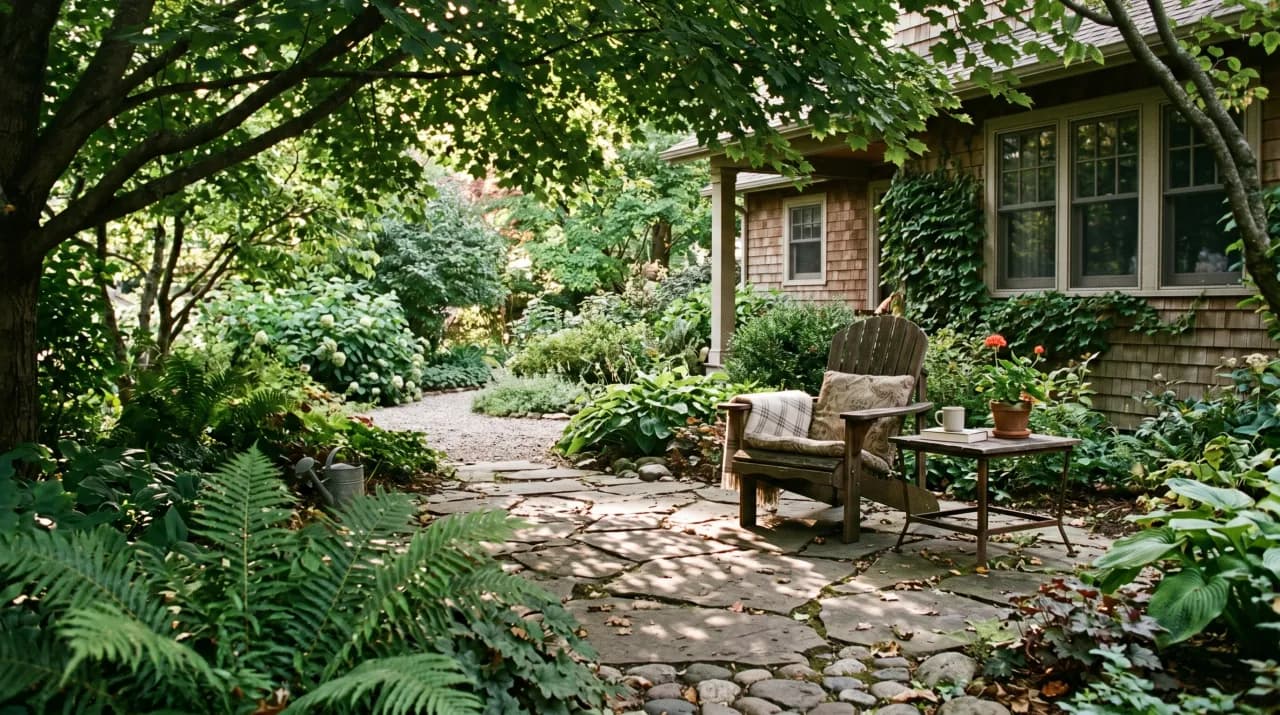
Woodland
Anonymous · 4mo ago
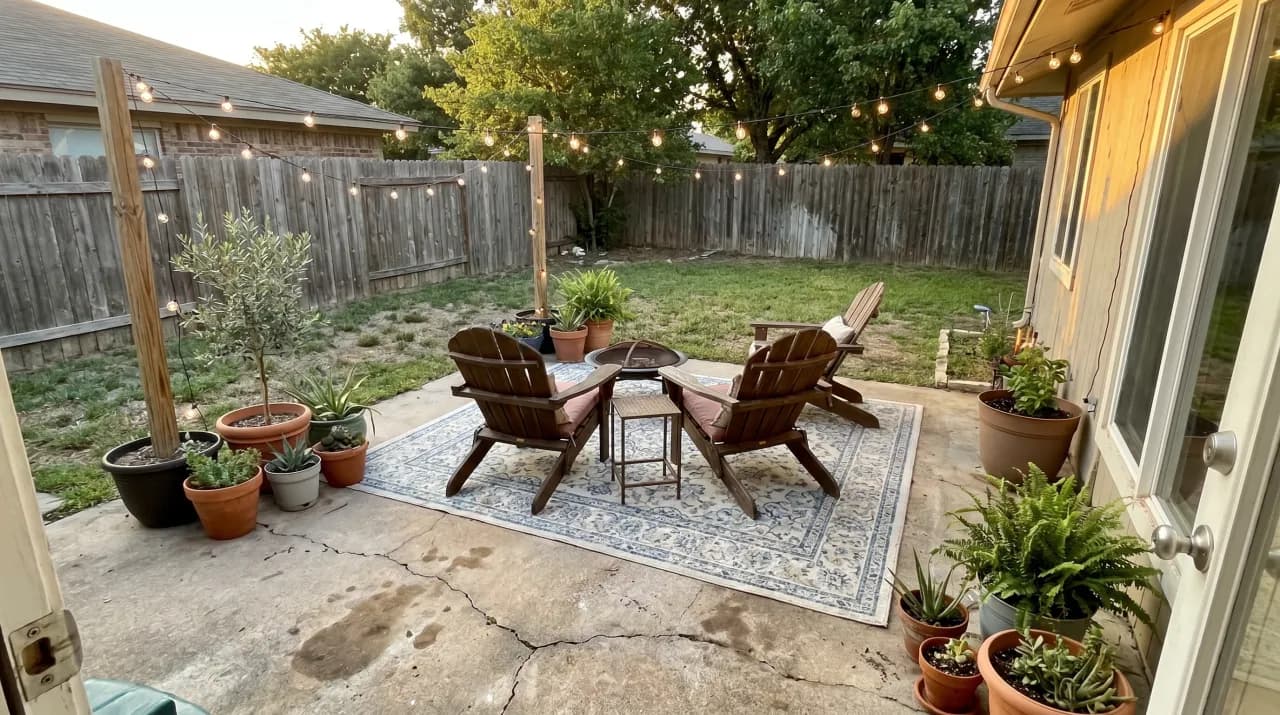
Entertainer's Yard
Anonymous · 4mo ago
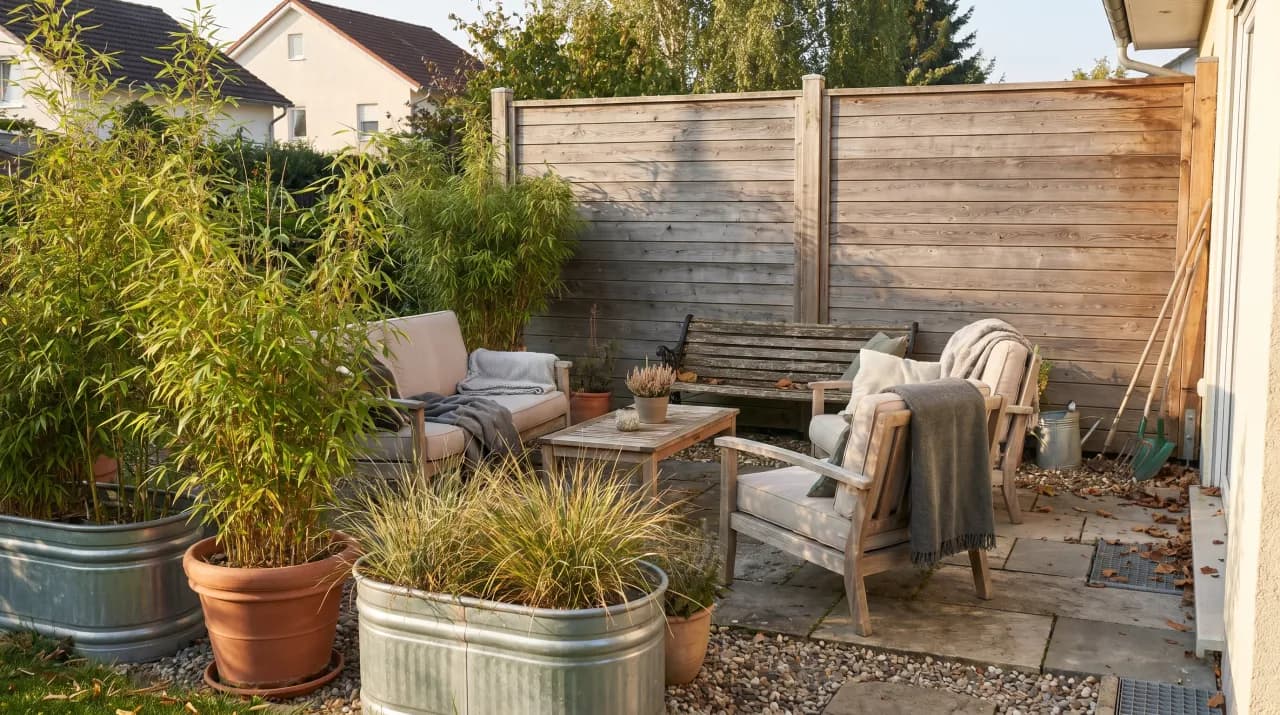
Scandinavian
Anonymous · 4mo ago
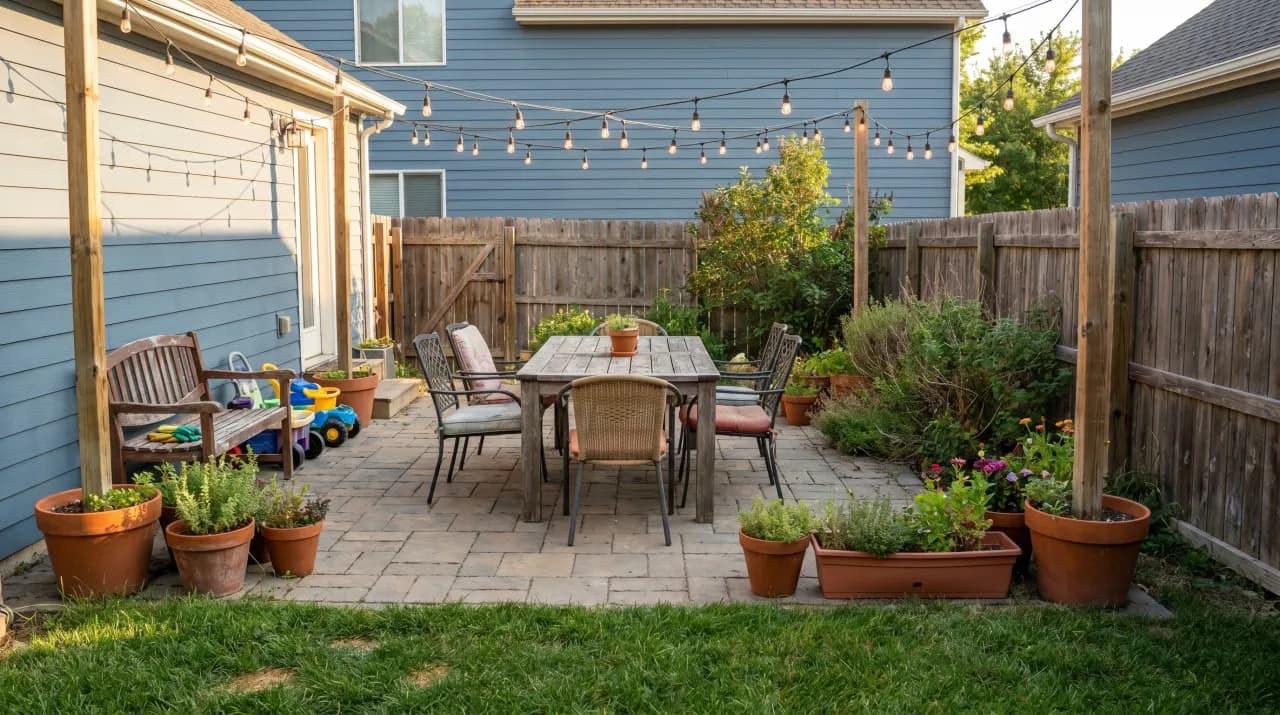
Family-Friendly
Anonymous · 4mo ago
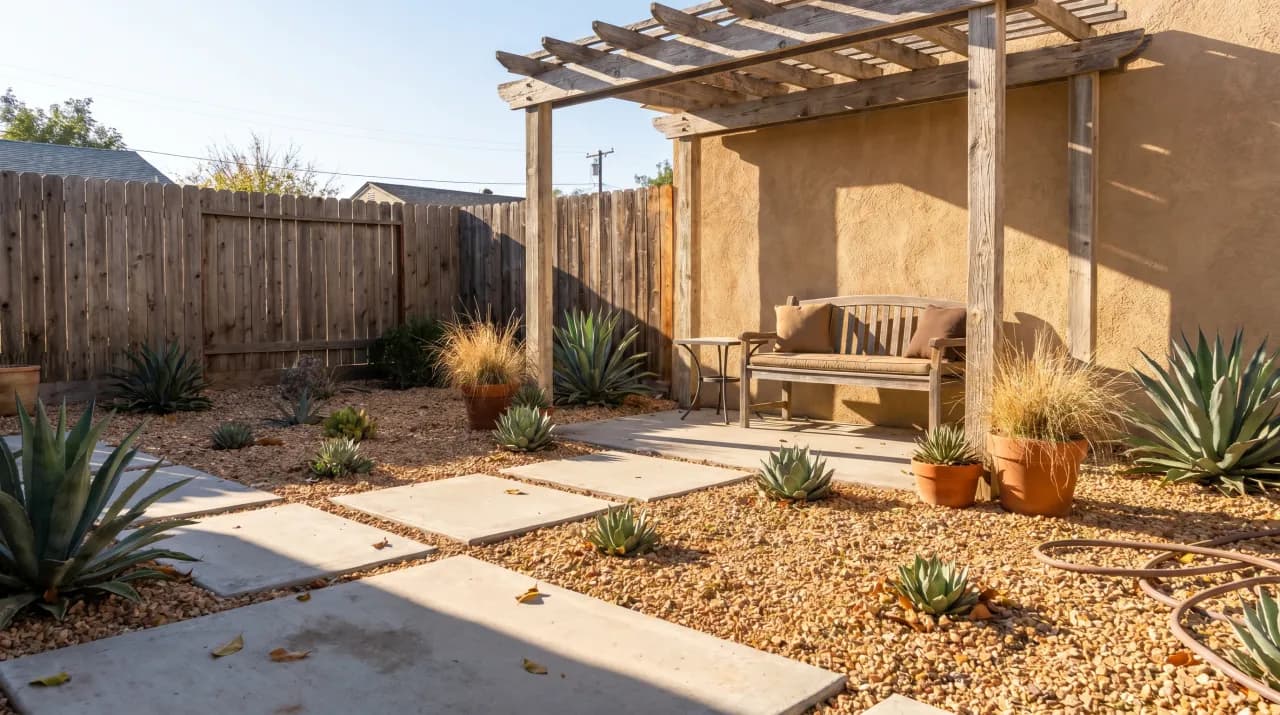
Southwestern Adobe
Anonymous · 4mo ago
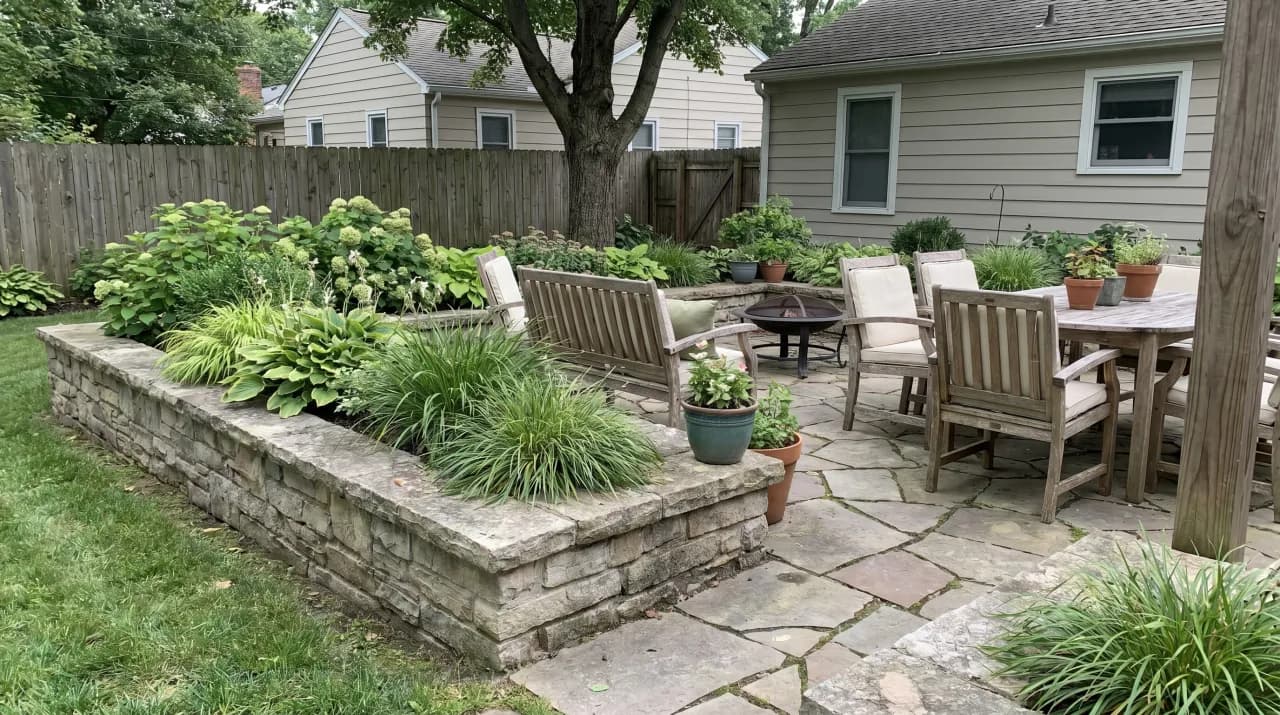
Arts & Crafts
Anonymous · 4mo ago
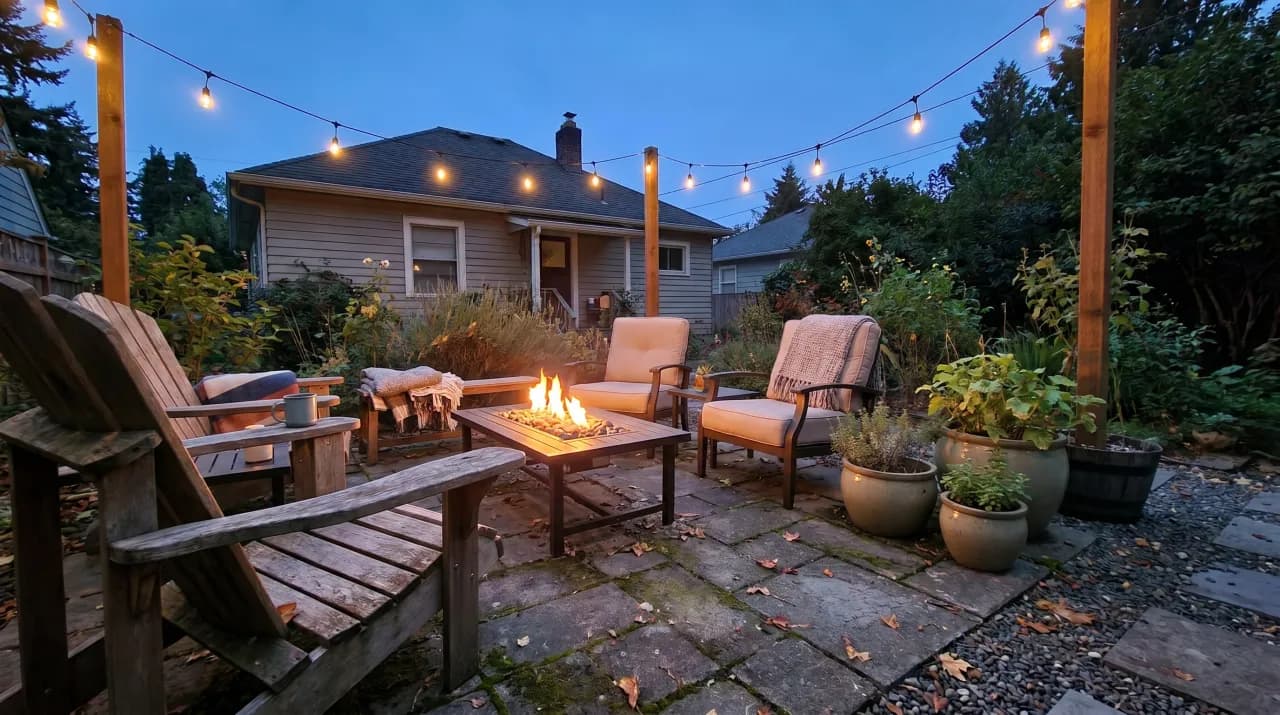
Entertainer's Yard
Anonymous · 4mo ago
Pavers, Concrete, or Gravel — How to Choose
Concrete pavers are the most popular backyard patio material for practical reasons: they're durable, individual units are replaceable if one cracks, and they come in dozens of shapes and finishes. Installed cost runs $8–20 per square foot depending on pattern and region. Natural flagstone and bluestone cost $15–30 installed but age beautifully and suit cottage or craftsman-style homes particularly well. Poured concrete is the cheapest option at $5–10 per square foot and the easiest to maintain long-term; staining or stamping can make it look considerably more expensive. Gravel and decomposed granite ($1–3/sq ft) work well for informal areas but shift underfoot and aren't ideal as a primary sitting surface. One detail worth knowing: the same pavers arranged in a running bond pattern look more expensive than a basket-weave — pattern choice affects the visual result as much as the material itself.
How Much Patio Space Do You Actually Need?
Most backyard patios end up either too small — people feel crammed at the table — or too large, eating into the lawn without adding proportional comfort. A practical rule: plan for 25–30 square feet per person for the largest group you'd regularly host. Six people need roughly 150–180 square feet, achievable with a 12×15 foot patio. That sounds modest, but it feels generous with the right furniture and some breathing room around the edges. For smaller backyards, the same principle applies in reverse: decide the maximum you'd ever seat at once, size the patio for that, and stop there. A 10×10 patio that fits your actual life is more useful than a larger one that swallows the yard.
Start With One Function, Then Layer
The most common patio design mistake is trying to include dining, lounging, a fire pit, and an outdoor kitchen all in one space from the start. Nothing ends up working well. Pick one primary function — usually dining or lounging — and size the layout around that. Once the core is right, a fire pit or fire table works naturally as a focal point. Outdoor kitchens and built-in grills are best treated as a deliberate second zone, not squeezed into a corner. For compact yards, a clearly defined single-use patio surrounded by planting actually reads as larger and more intentional than a multi-zone layout that competes with itself.
Making a Patio Feel Like a Room
What separates a well-designed patio from a plain slab is overhead structure and perimeter definition. A pergola — even an open one with no roof — creates a ceiling plane that makes the space feel enclosed and deliberate. String lights hung at head height do the same thing at a fraction of the cost. At ground level, low planting around the perimeter, a screen of tall ornamental grasses, or raised planters create a sense of walls without blocking light. Lighting is the most underrated element: a few well-placed overhead lights or string lights transform the same patio after dark into somewhere people want to stay, which is ultimately what makes it worth building.
Frequently Asked Questions
- What patio material gives the best value for money?
- Concrete pavers hit the best balance of cost, durability, and appearance for most backyards. They run $8–20 per square foot installed, individual pavers are replaceable if cracked, and the range of styles is wide. Poured concrete is cheaper ($5–10/sq ft) but harder to repair. Natural stone looks better long-term but costs $15–30 installed — worth it for homes where the aesthetic matters and the patio will see heavy use.
- Do I need a permit for a backyard patio?
- Ground-level patios generally don't require a permit in most areas. Raised decks, pergolas attached to the house, or structures over a certain height typically do. Freestanding pergolas fall in a grey area — rules vary by municipality. Check with your local building department before starting any structural work.
- How do I add privacy to a backyard patio?
- The fastest options: tall ornamental grasses or bamboo in large planters create soft screening without permanent construction. Lattice panels with climbing plants like clematis or jasmine add privacy and greenery over one season. A pergola with shade curtains defines the space overhead and at the sides. For a more permanent solution, a cedar or composite privacy screen on the exposed side of the patio is the cleanest result.
More landscaping ideas
See any of these styles on your own yard
Upload a photo of your yard and our AI will redesign it in seconds.