
Front Yard Landscaping Ideas
The front yard is harder to get right than the backyard — it's fully visible, expected to look good year-round, and there's rarely a fence to buy you time. The designs below cover the full range: low-maintenance rocks and mulch arrangements, small-yard ideas for townhouses and urban lots, modern minimalist, craftsman, cottage, and more. Click "Use this style" on any card to see it applied to a photo of your own yard.
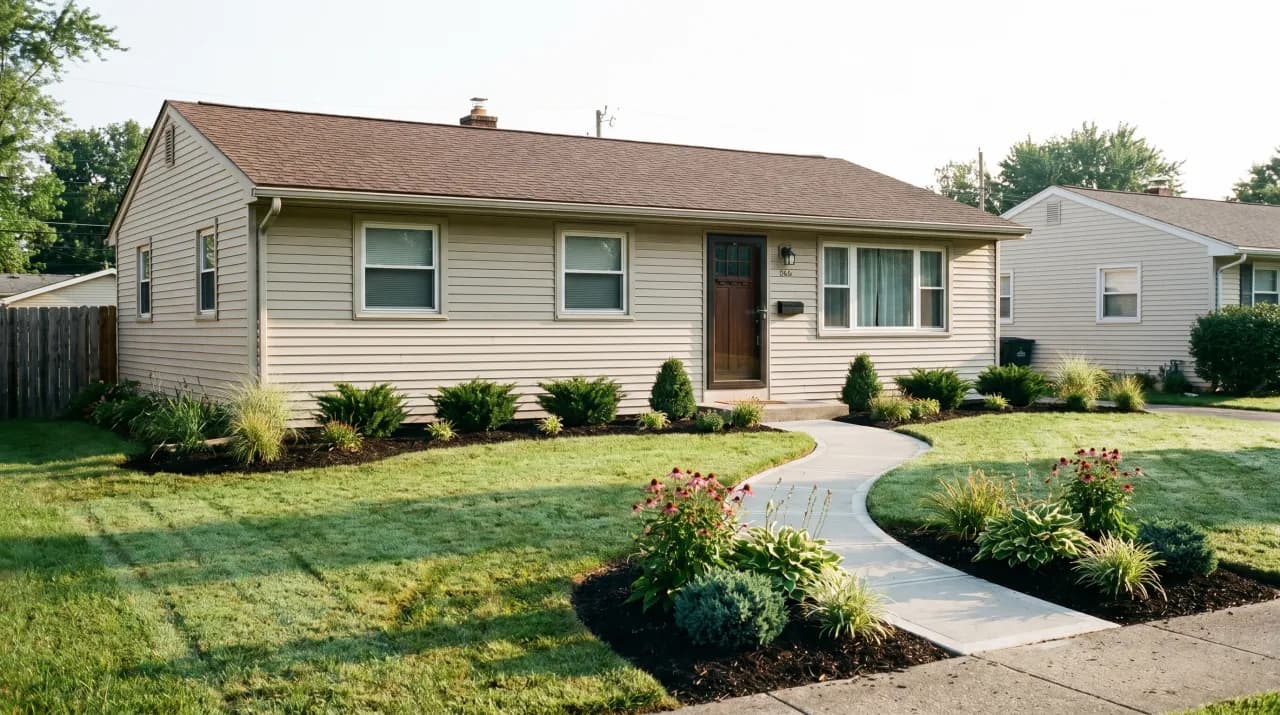
Standard Traditional
Anonymous · 3mo ago
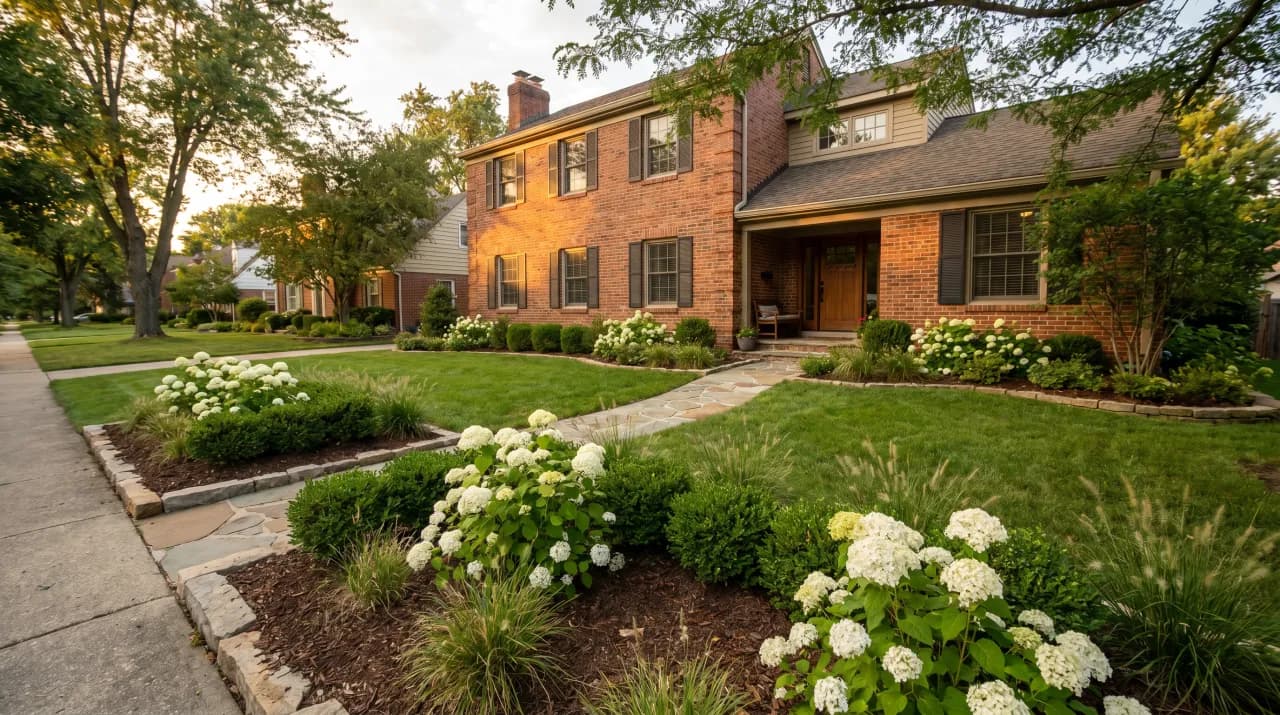
Hamptons
Anonymous · 3mo ago
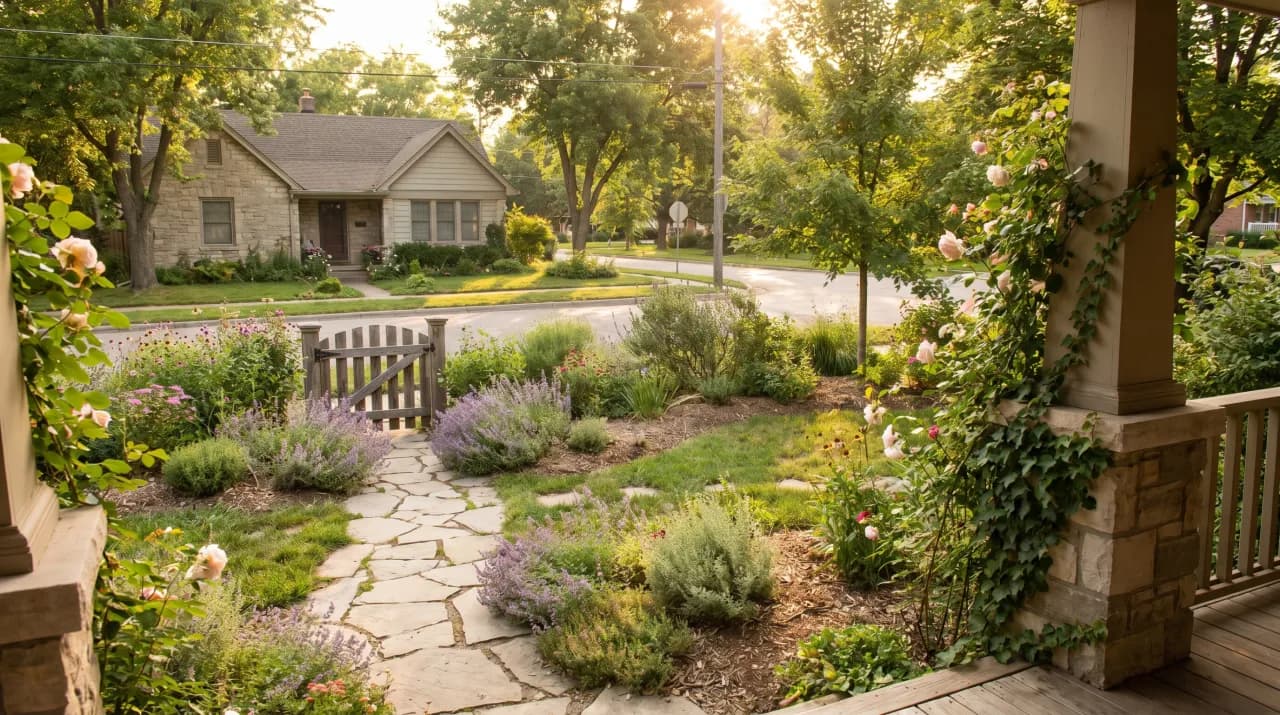
Cottage Garden
Anonymous · 3mo ago
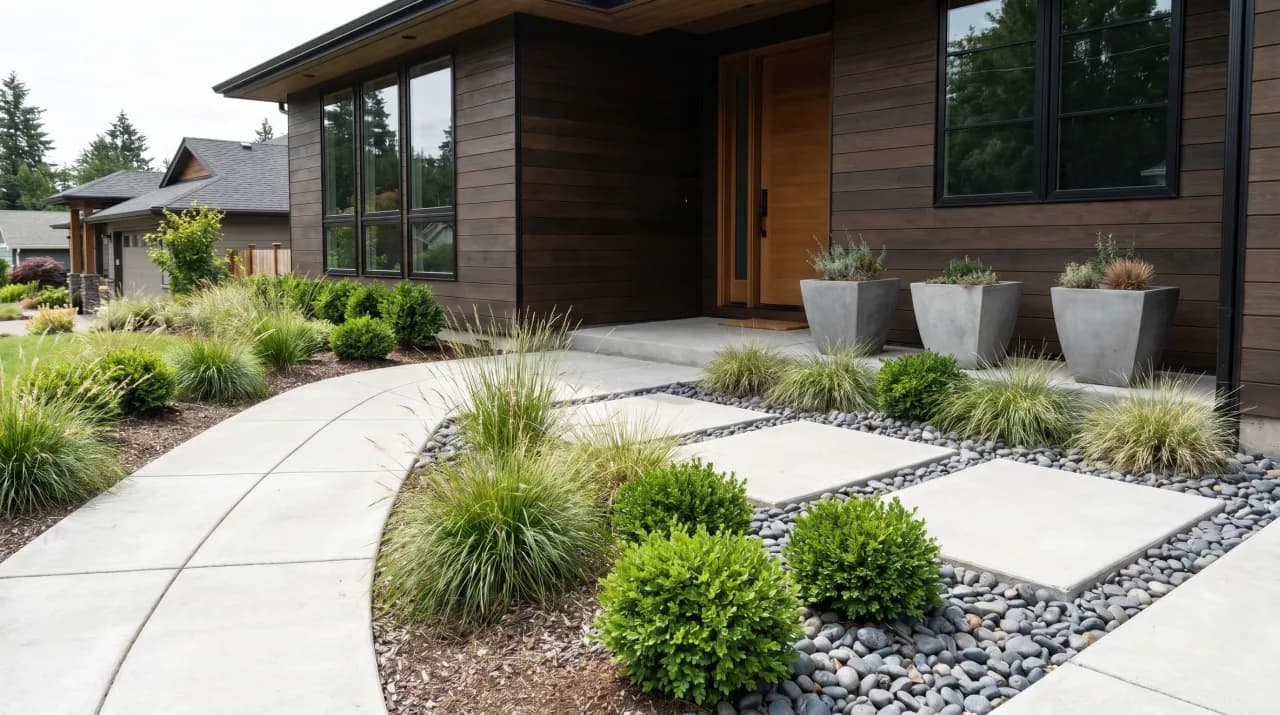
Modern Minimalist
Anonymous · 3mo ago
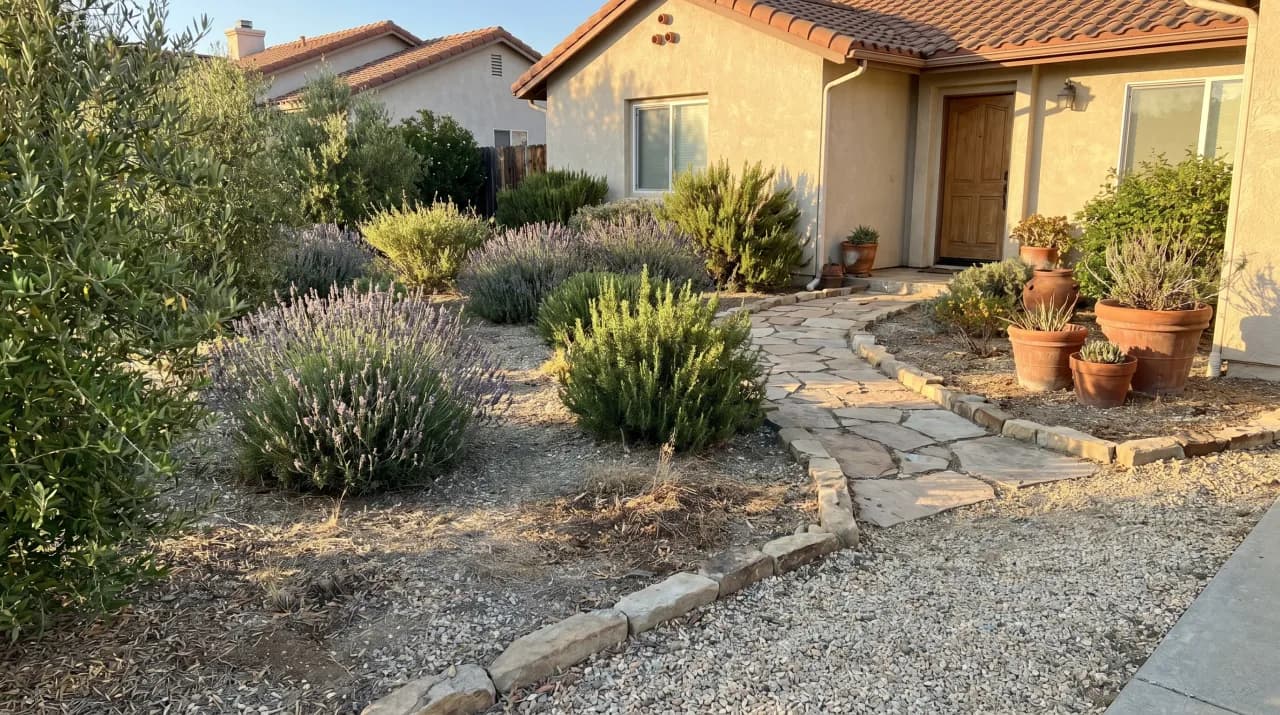
Desert / Xeriscape
Anonymous · 3mo ago
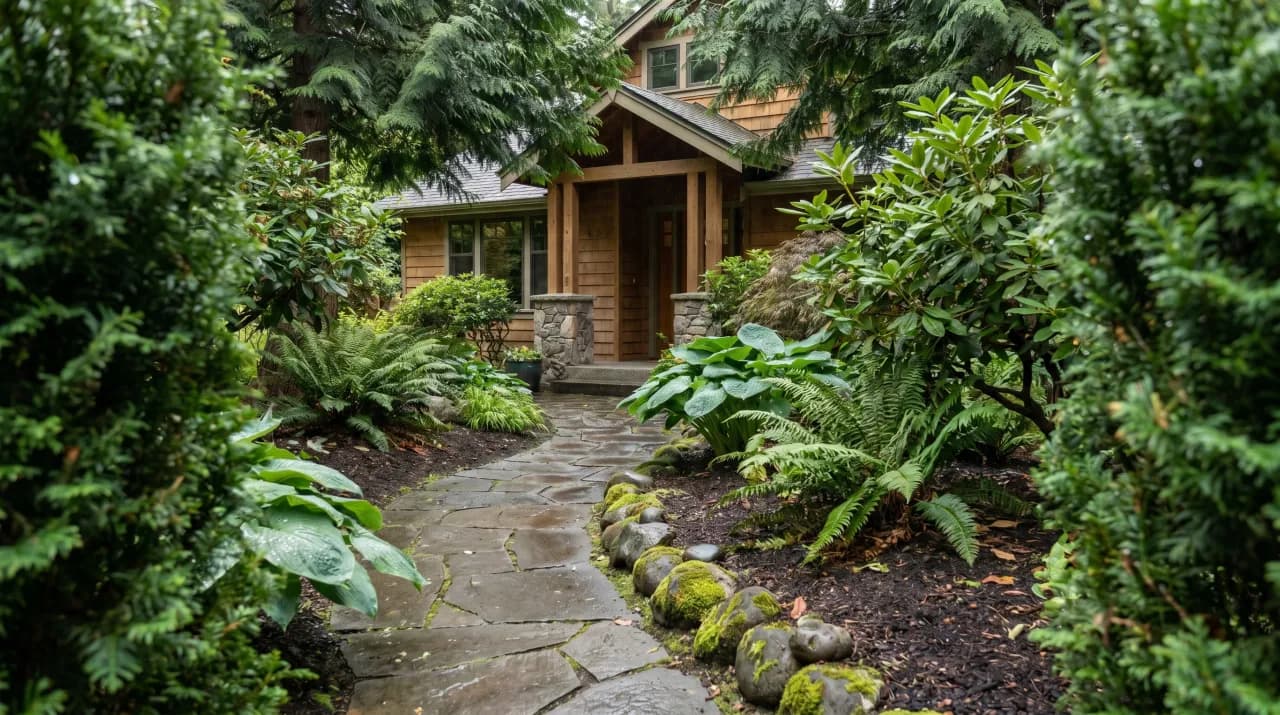
Pacific Northwest
Anonymous · 3mo ago
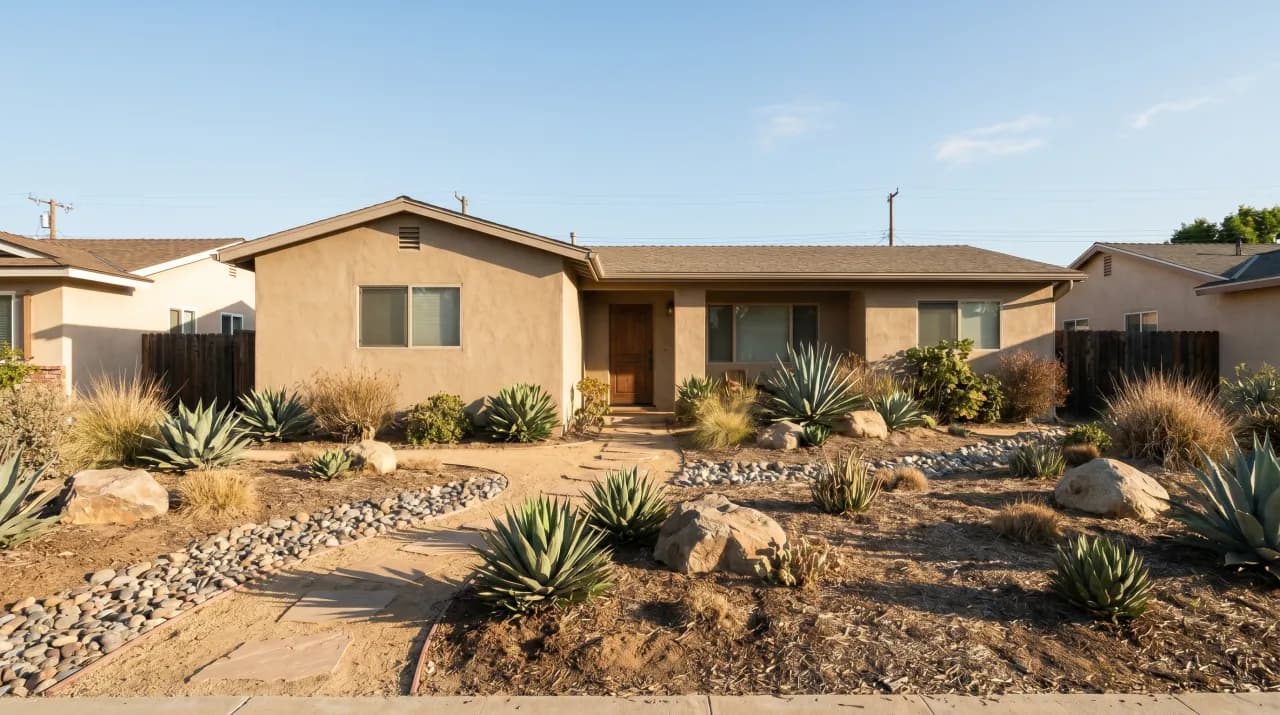
Desert / Xeriscape
Anonymous · 3mo ago
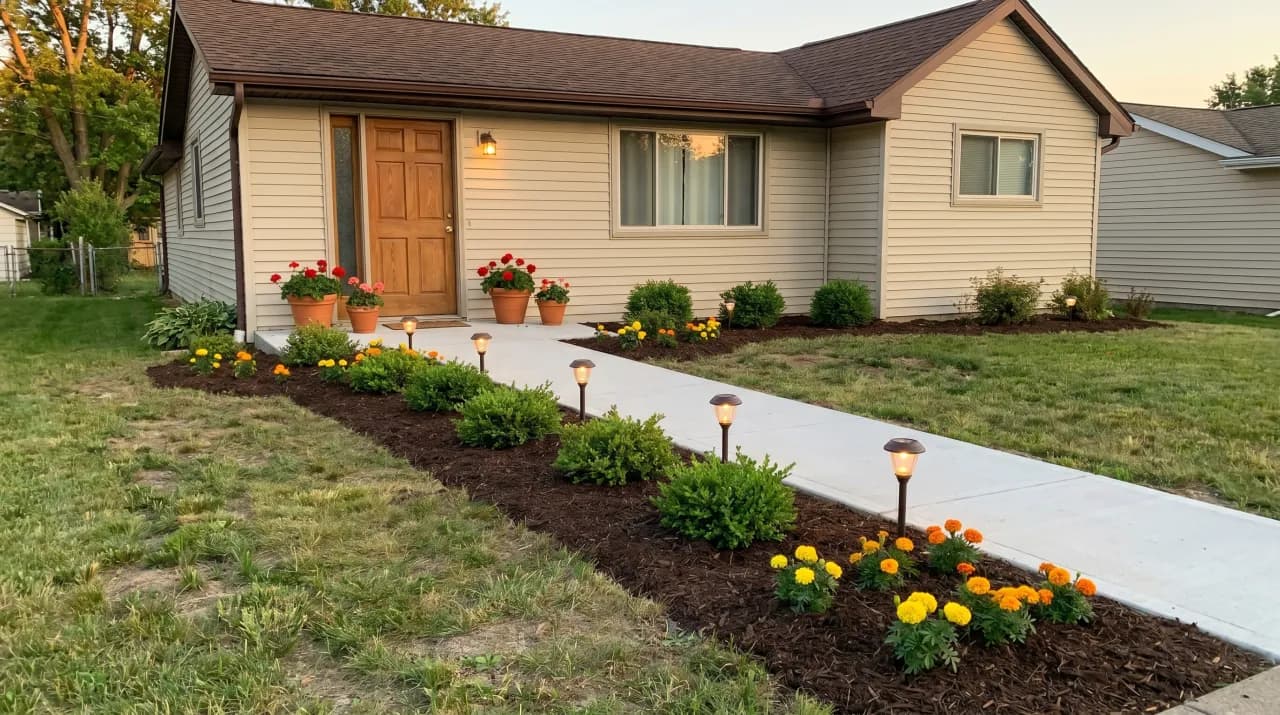
Low-Maintenance
Anonymous · 3mo ago
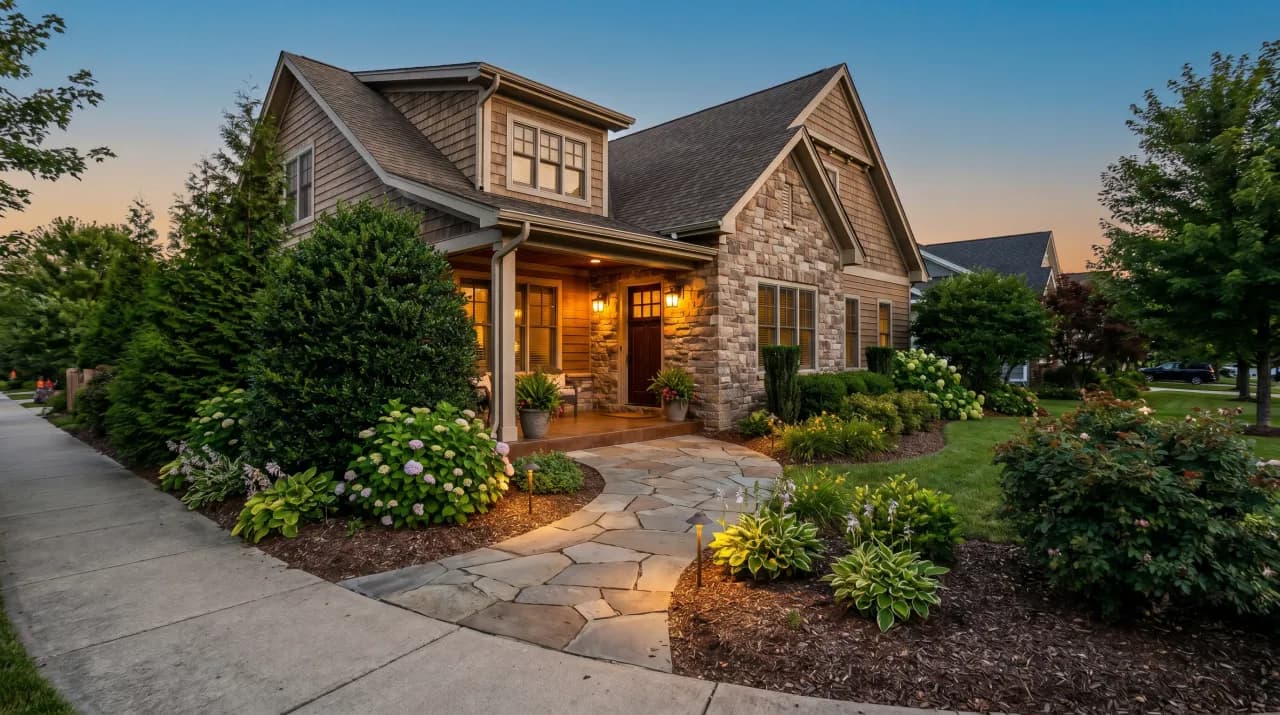
Craftsman
Anonymous · 3mo ago
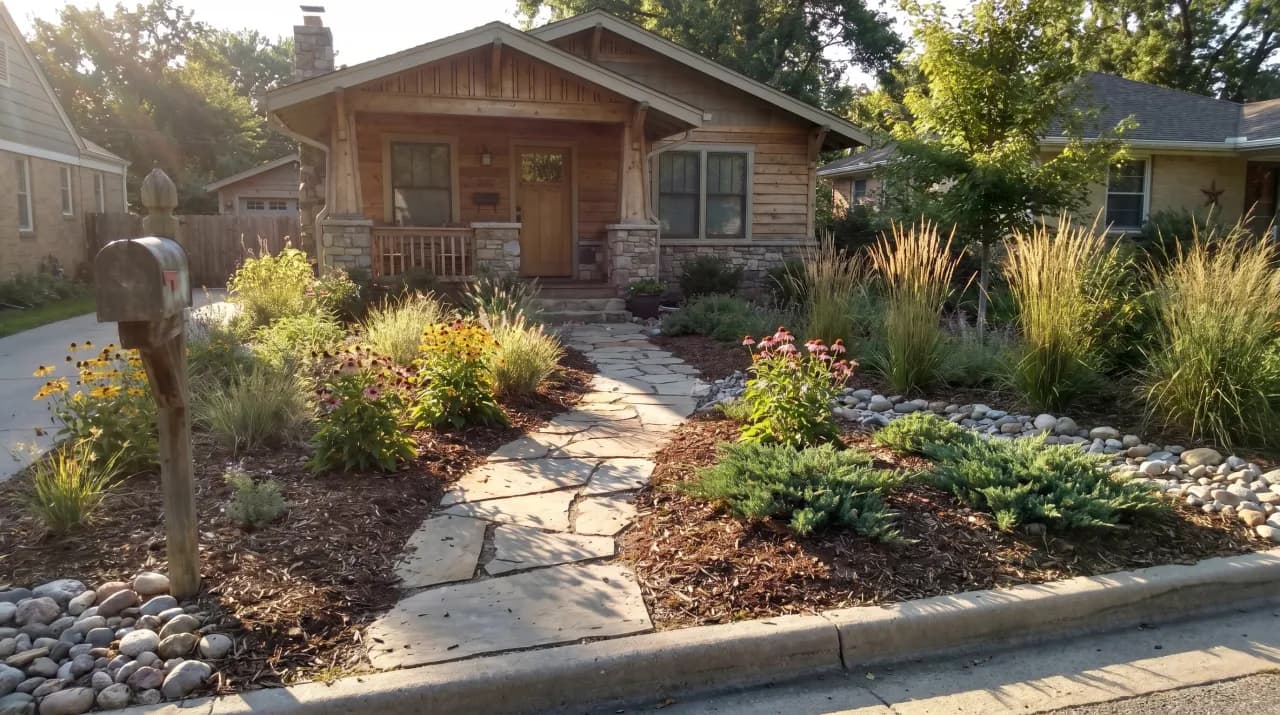
Craftsman
Anonymous · 3mo ago
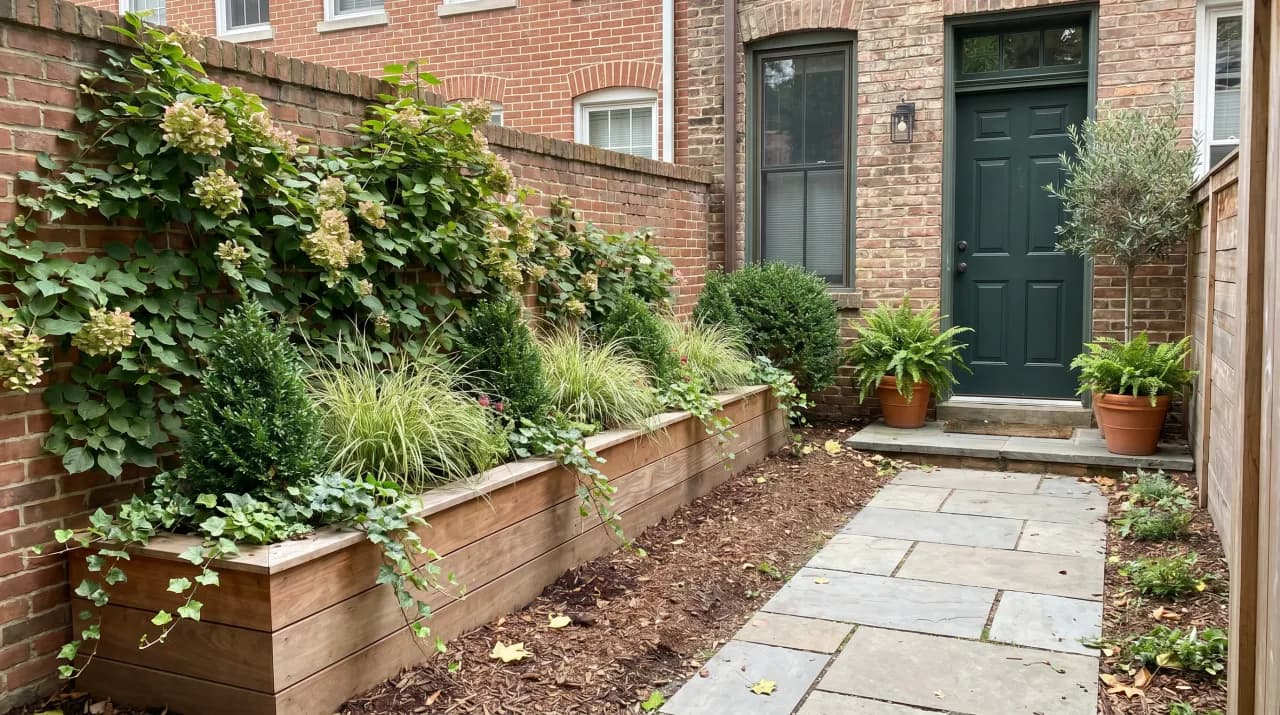
Contemporary
Anonymous · 4mo ago
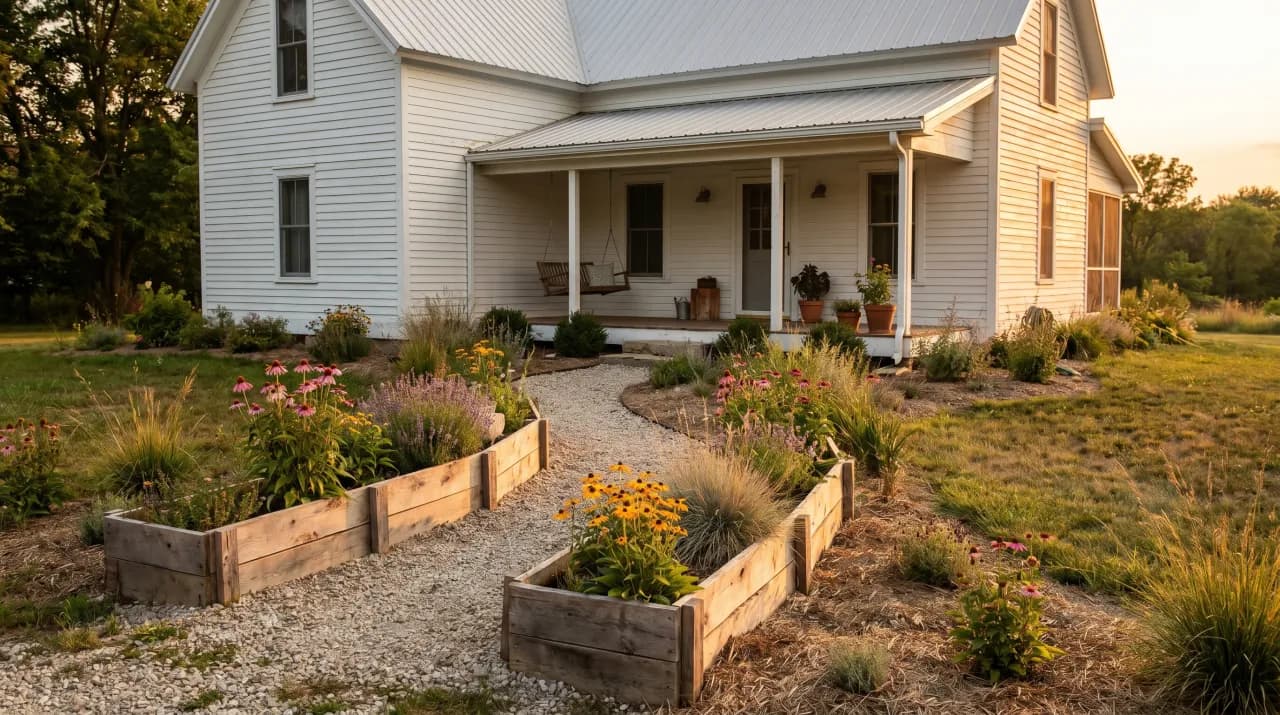
Modern Farmhouse
Anonymous · 4mo ago
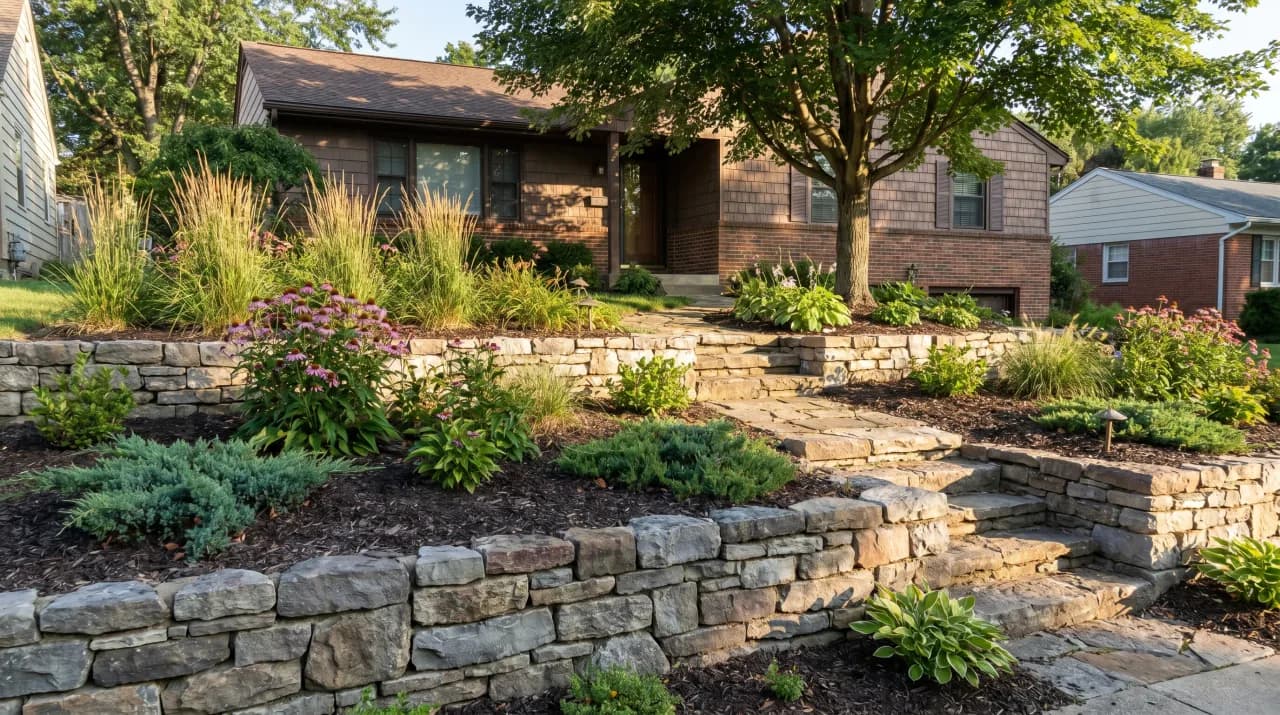
Arts & Crafts
Anonymous · 4mo ago
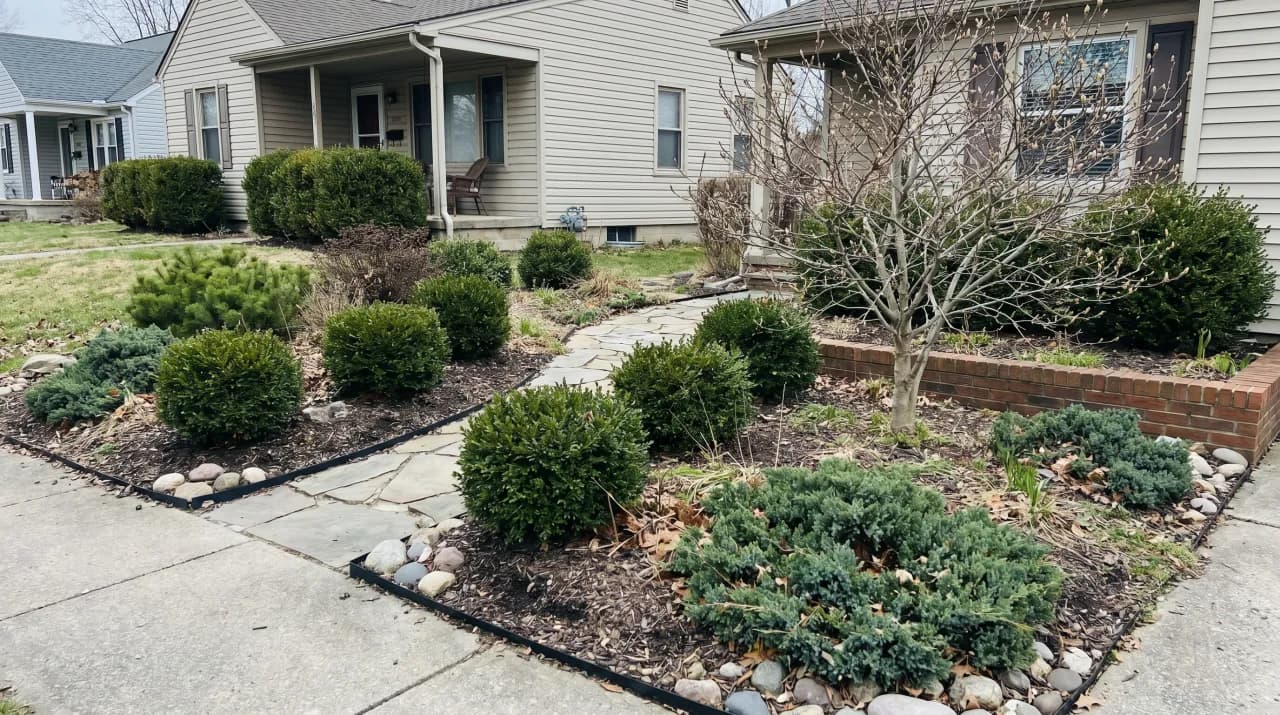
Low-Maintenance
Anonymous · 4mo ago
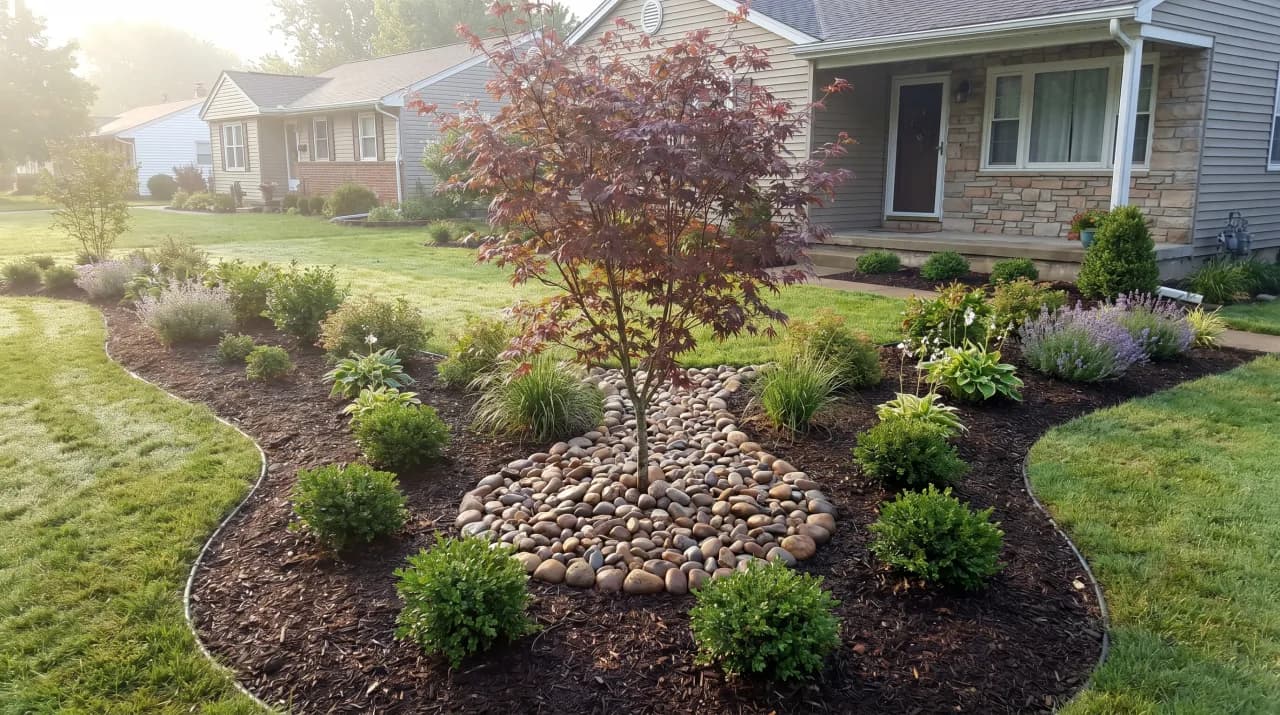
Low-Maintenance
Anonymous · 4mo ago
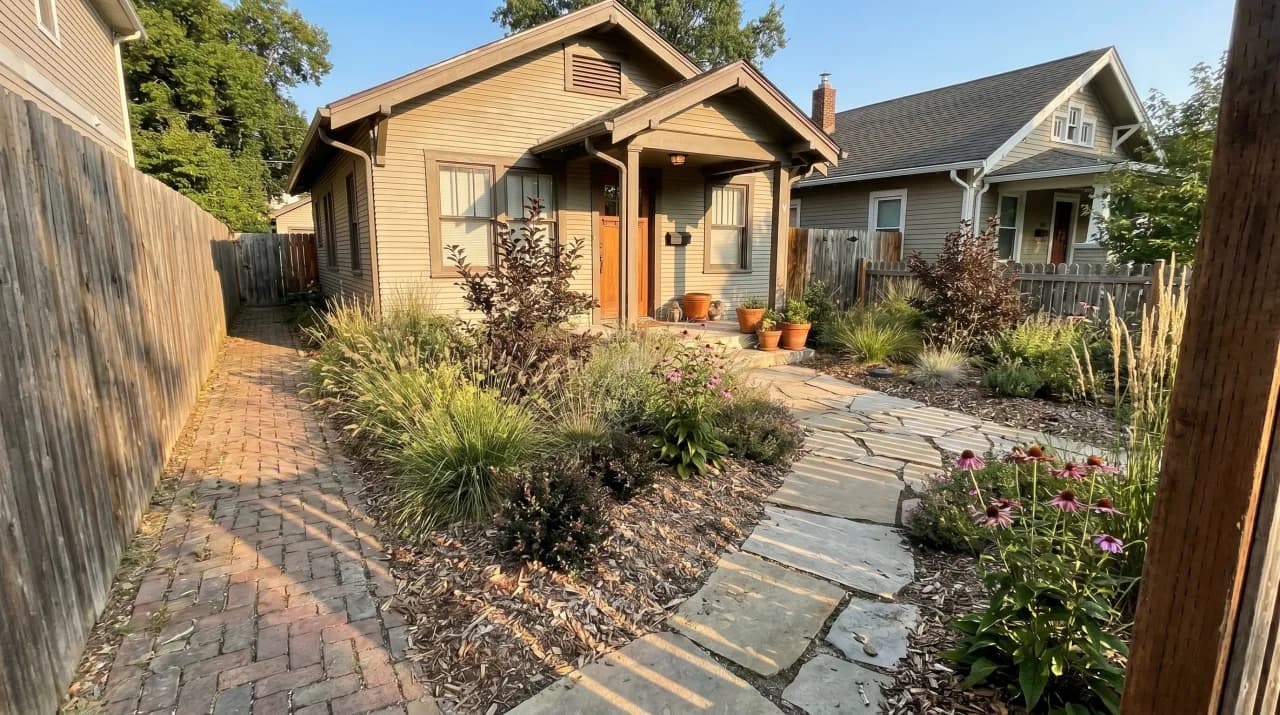
Craftsman
Anonymous · 4mo ago
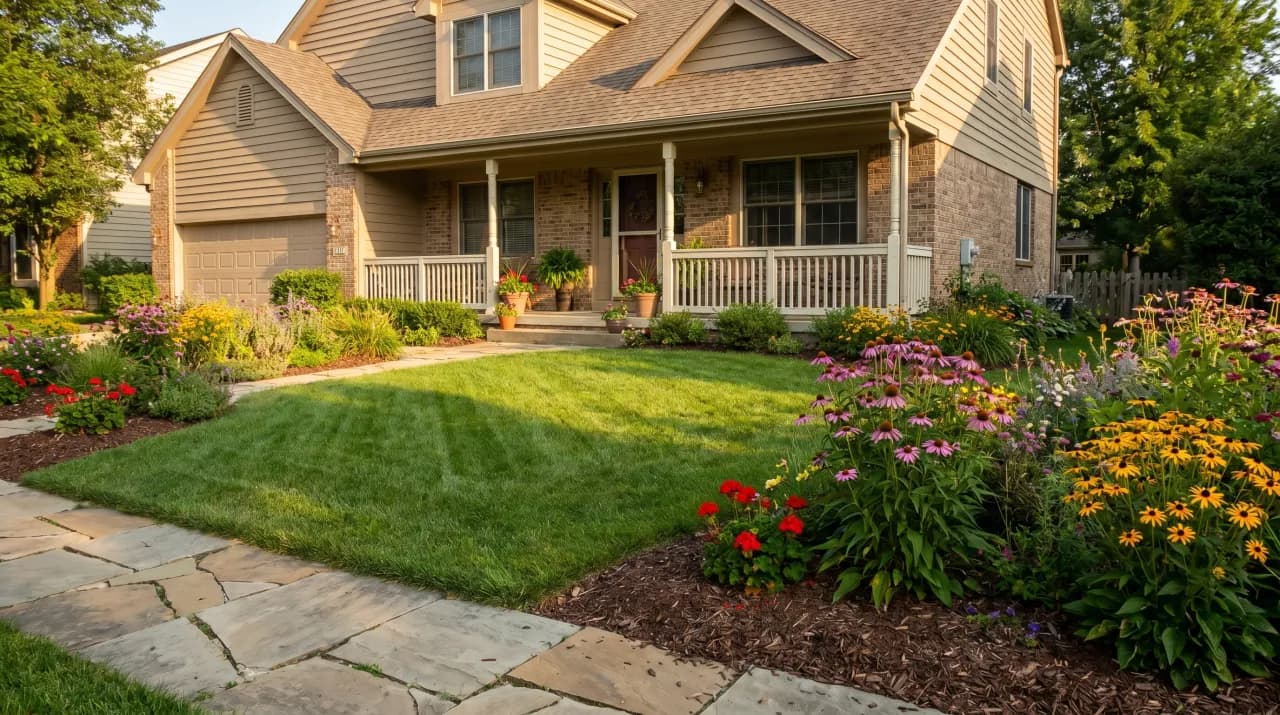
Full Sun Border
Anonymous · 4mo ago
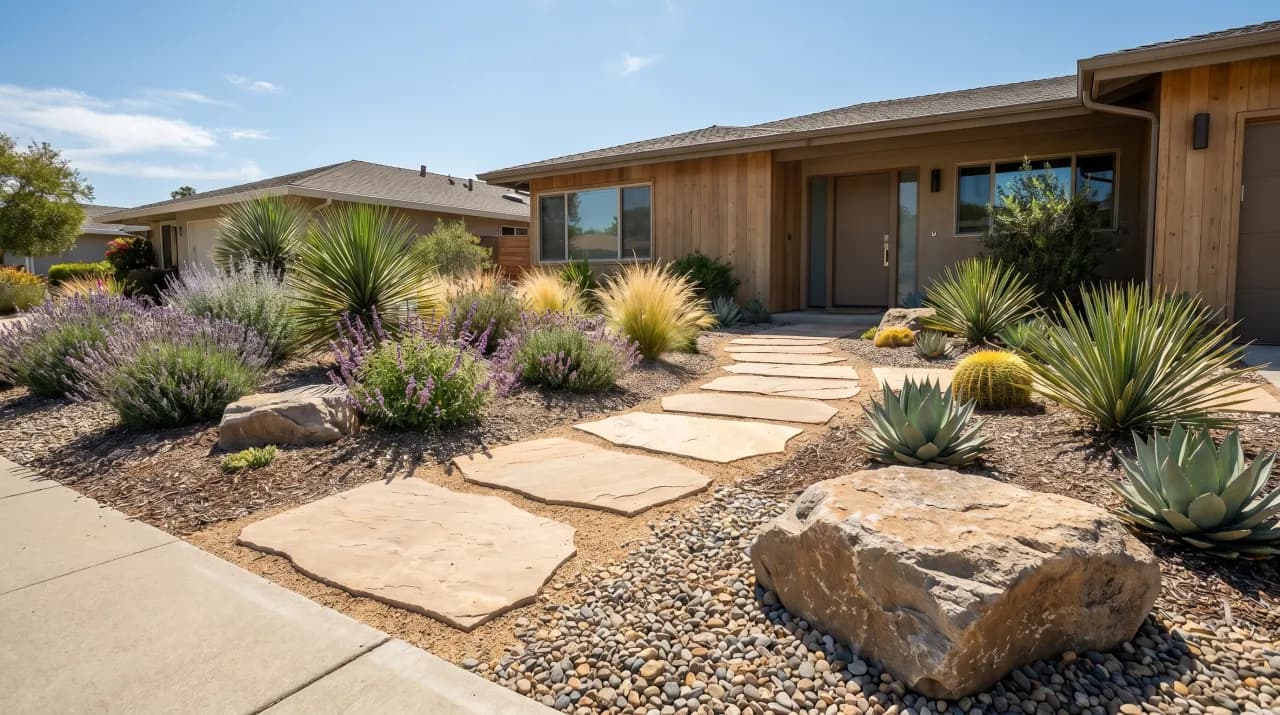
Desert Modern
Anonymous · 4mo ago
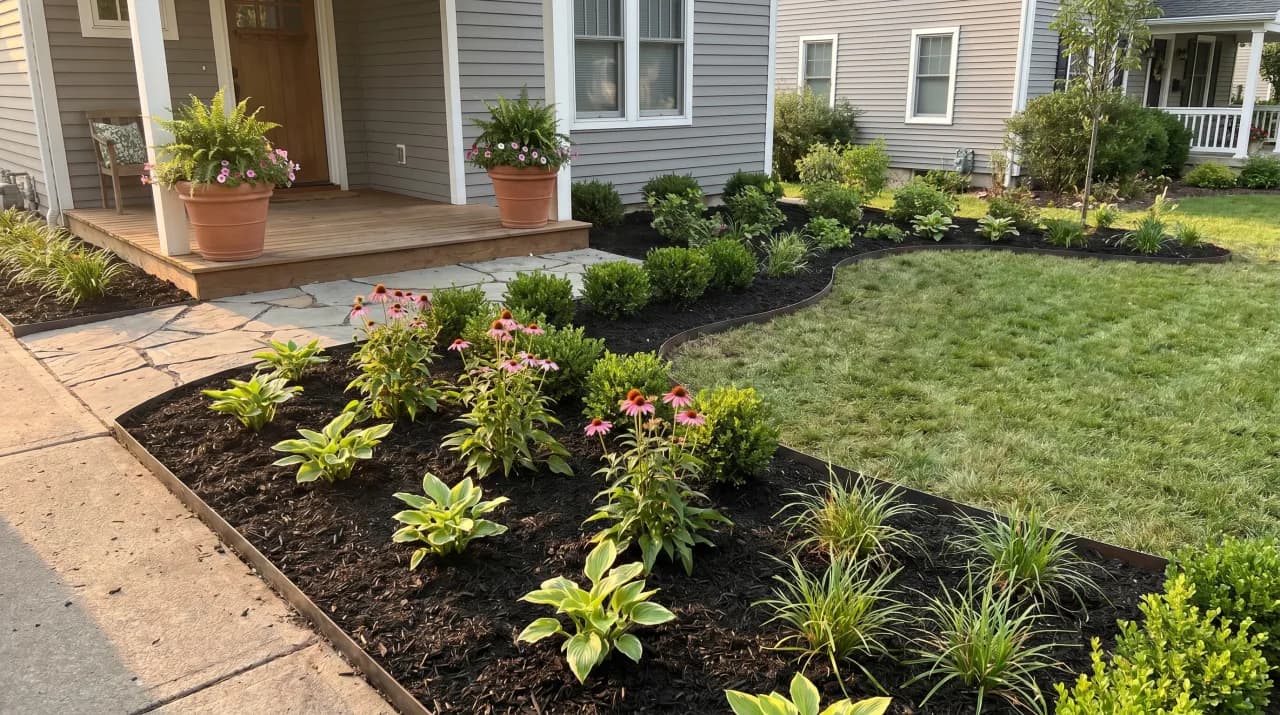
Standard Traditional
Anonymous · 4mo ago
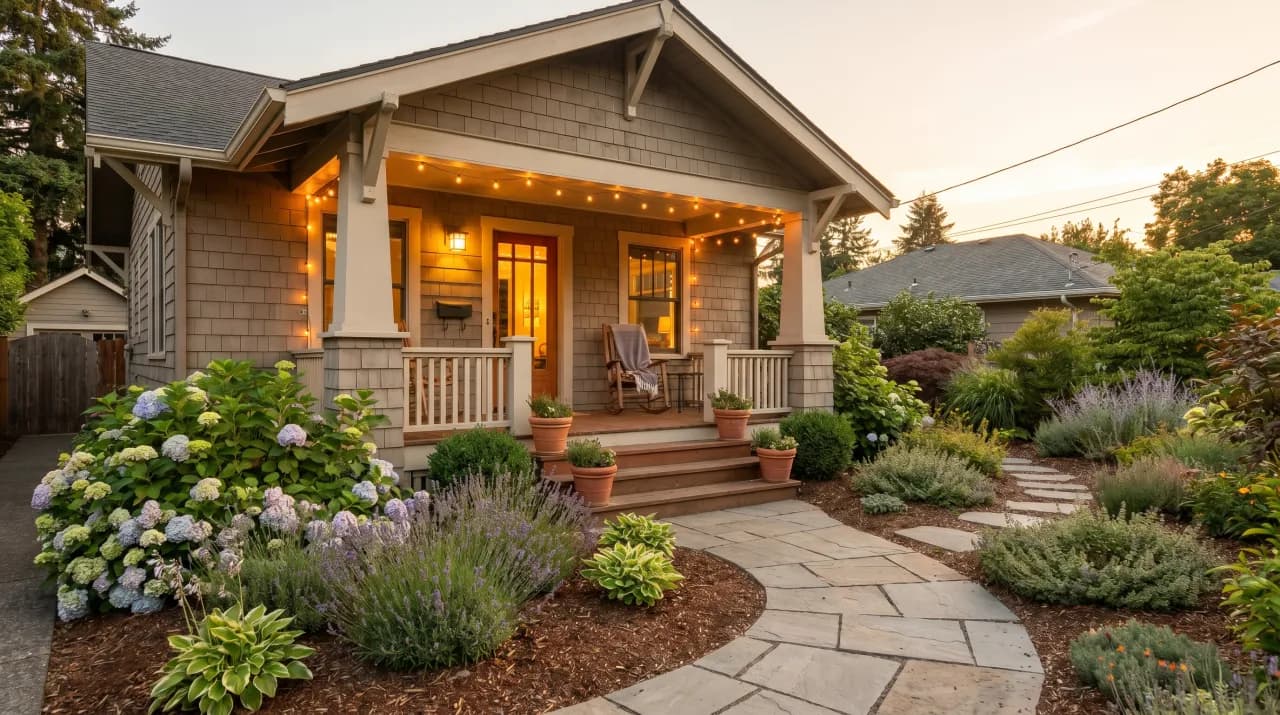
Craftsman
Anonymous · 4mo ago
Low-Maintenance Front Yard Ideas With Rocks and Mulch
Rocks and mulch are the workhorses of low-maintenance front yard design, and the difference between them matters more than most people realize. Shredded bark mulch is best for shaded beds — under trees, along a north-facing foundation — where it retains moisture and slowly breaks down into the soil. In full-sun areas it degrades quickly, and when it stays damp against a wall it can cause problems. That's where decomposed granite, river rock, or gravel earns its keep: it looks clean year-round, doesn't break down, and handles direct sun without issue. The combination that shows up most in the designs above — mulch around foundation plantings, gravel or river rock in sunnier open beds — keeps maintenance genuinely low while giving the yard some visual texture. Anchor it with three to five evergreen shrubs and the front yard holds its shape even when nothing is in bloom.
Matching Your Landscaping Style to Your Home
The most common mistake is picking a style you like in the abstract rather than one that actually fits the house. A cottage garden looks natural on a Victorian or craftsman bungalow but fights against a mid-century ranch. Modern minimalist front yard landscaping works well on homes with clean horizontal lines — contemporary siding, board-and-batten, cedar — but often looks clinical against traditional brick. The fastest shortcut: look at the exterior materials already on your home and work from there. Brick tends to suit defined planting beds with boxwood, hydrangeas, and traditional shrubs. Stucco and adobe pair naturally with gravel, agave, and ornamental grasses. Wood siding and cedar are the most forgiving — they can carry styles from cottage to contemporary without looking out of place. If your yard is small, this matters even more: a style that clashes with the house shows immediately at that scale.
Building a Front Yard That Looks Good Year-Round
Most front yard makeovers start with flowers and end with disappointment — bright in May, bare by July, nothing in winter. The yards that hold up year-round are built on structure first: a backbone of evergreen shrubs, ornamental grasses, or a single specimen tree that holds the bed's shape regardless of season. Seasonal color layers on top of that, but it's optional. For the foundation bed along the house, the reliable approach is taller plants against the wall, medium shrubs in front, low ground cover at the edge. It sounds formulaic because it works. Two or three shrub species repeated across a bed reads as more intentional — and honestly more expensive — than a wider variety planted once each.
Sun Exposure: The Variable Most People Ignore
Most front yard landscaping mistakes come down to ignoring sun. A plant that looks perfect in a neighbor's yard can struggle in yours simply because your yard faces a different direction or a mature street tree blocks afternoon light. Before deciding on plants or even materials, spend a day or two noting where sun falls across your front yard and for how long. Full sun — six or more hours of direct light — opens up the full range of drought-tolerant designs: ornamental grasses, lavender, black-eyed Susans, xeriscape arrangements with gravel and decomposed granite. Partial shade changes the plant palette considerably. Hostas, ferns, astilbe, and shade-tolerant ground covers like pachysandra take over where sun-lovers fail. A shaded front yard can be just as striking, but it requires a completely different approach — and lighter-colored hardscape materials help compensate for the reduced light.
The Front Path: One Element That Changes Everything
A defined path from the street or driveway to your front door is one of the highest-return investments in a front yard — not because it adds planting area, but because it gives the eye somewhere to go. Without a path, even a well-planted front yard reads as a flat expanse. With one, a simple setup of mulch beds on either side suddenly looks deliberate. Material choice matters here more than anywhere else in the front yard because the path is seen up close every day. Flagstone and irregular stepping stones feel informal and suit cottage or craftsman styles. Large-format concrete pavers or cut stone read modern and clean. Gravel paths work but need solid edging or they migrate into the lawn over time. One practical note: if your existing front walk is cracked, uneven, or narrower than about 36 inches, addressing it before touching any planting is the single improvement that changes how the entire yard reads from the street.
Frequently Asked Questions
- Do rocks or mulch work better in a front yard?
- It depends on sun exposure. Shredded bark mulch works well in shaded beds — under trees or along a north-facing foundation — where it retains moisture and slowly improves soil. In full-sun areas, mulch breaks down fast and can stay damp enough to cause problems against a foundation wall. River rock and decomposed granite hold up better in direct sun and dry climates. Many front yards use both: mulch under shaded plantings, gravel or rock in open sunny beds.
- How do I plan a front yard landscaping redesign?
- Start with the style that fits your home's architecture, not just the one you like in isolation. Then decide on your maintenance tolerance — do you want to be out there every weekend, or twice a season? From there, choose your base materials (mulch, gravel, ground cover) and build the planting on top. Visualizing the design on your actual house before buying plants or materials is the step most people skip, and the most useful one.
More landscaping ideas
See any of these styles on your own yard
Upload a photo of your yard and our AI will redesign it in seconds.