
Cheap Simple Front Yard Landscaping Ideas
Most front yard landscaping advice either ignores cost entirely or assumes a professional budget. These AI-generated designs are built around what actually works on a limited budget — mulch, perennials, simple layouts, and smart material swaps. Browse the ideas below, and click any style to see it applied to a photo of your own yard before spending a dollar.
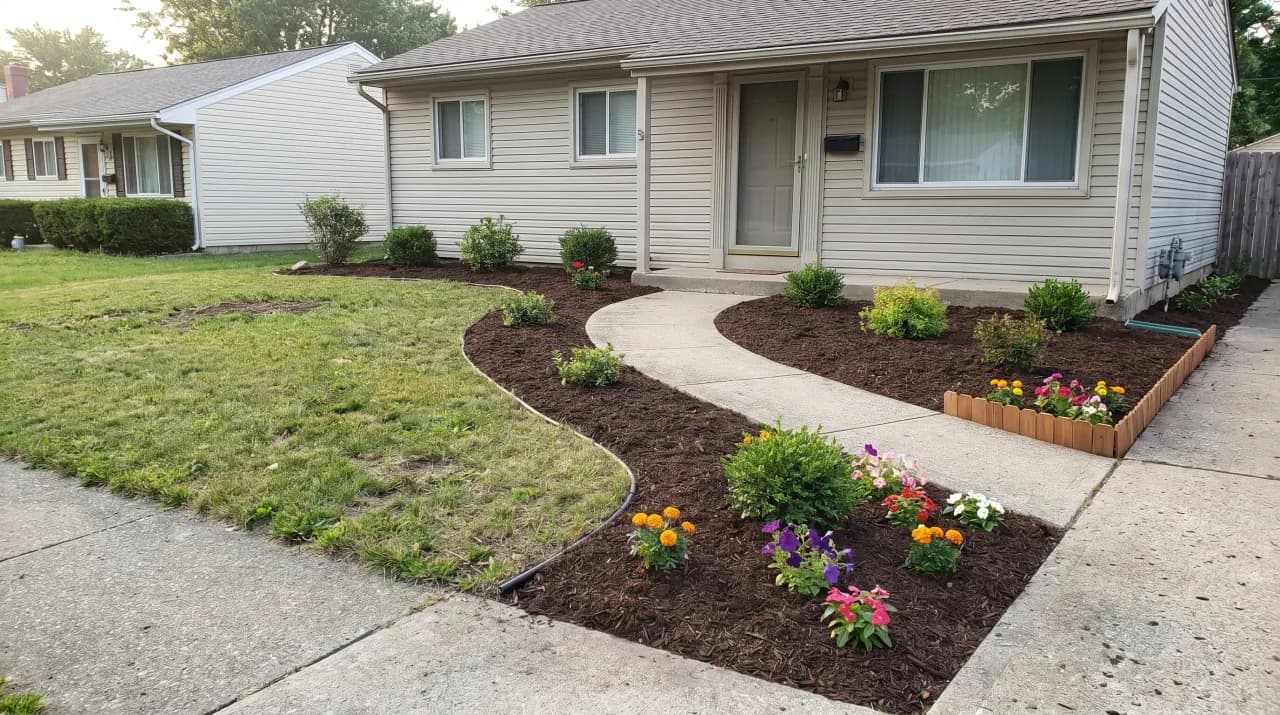
Low-Maintenance
Anonymous · 3mo ago
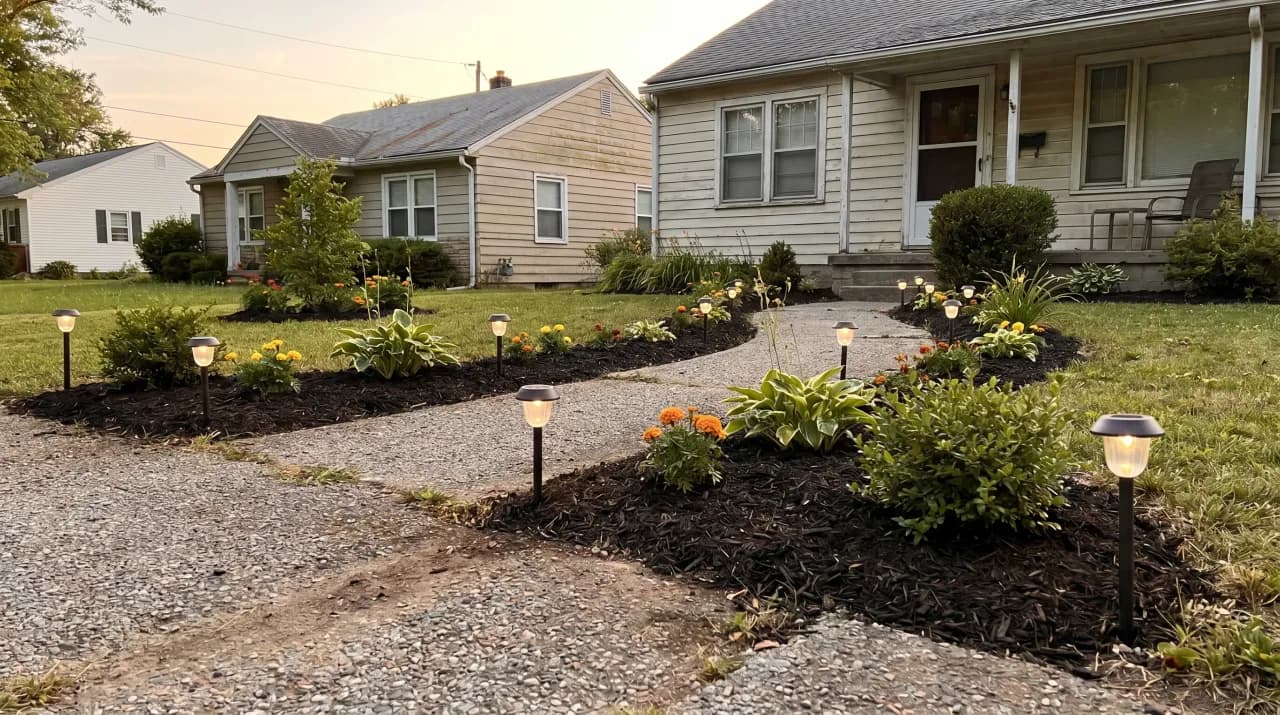
Low-Maintenance
Anonymous · 3mo ago
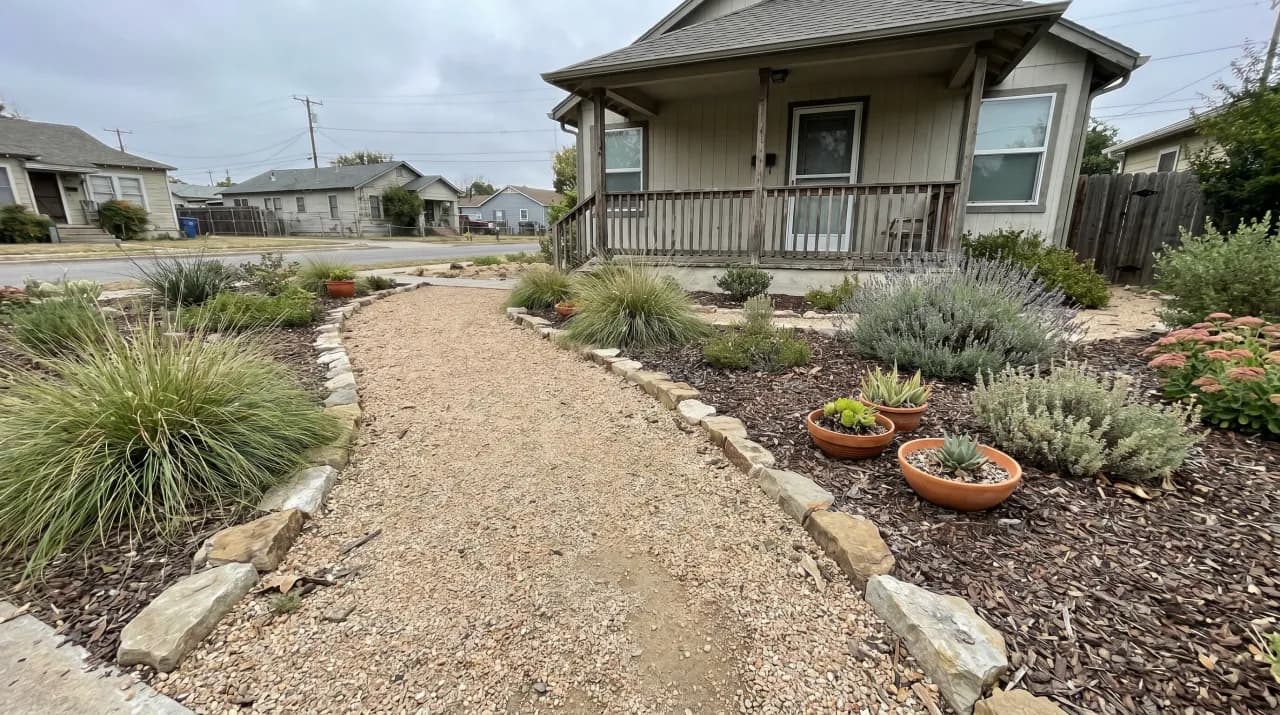
Drought-Tolerant
Anonymous · 3mo ago
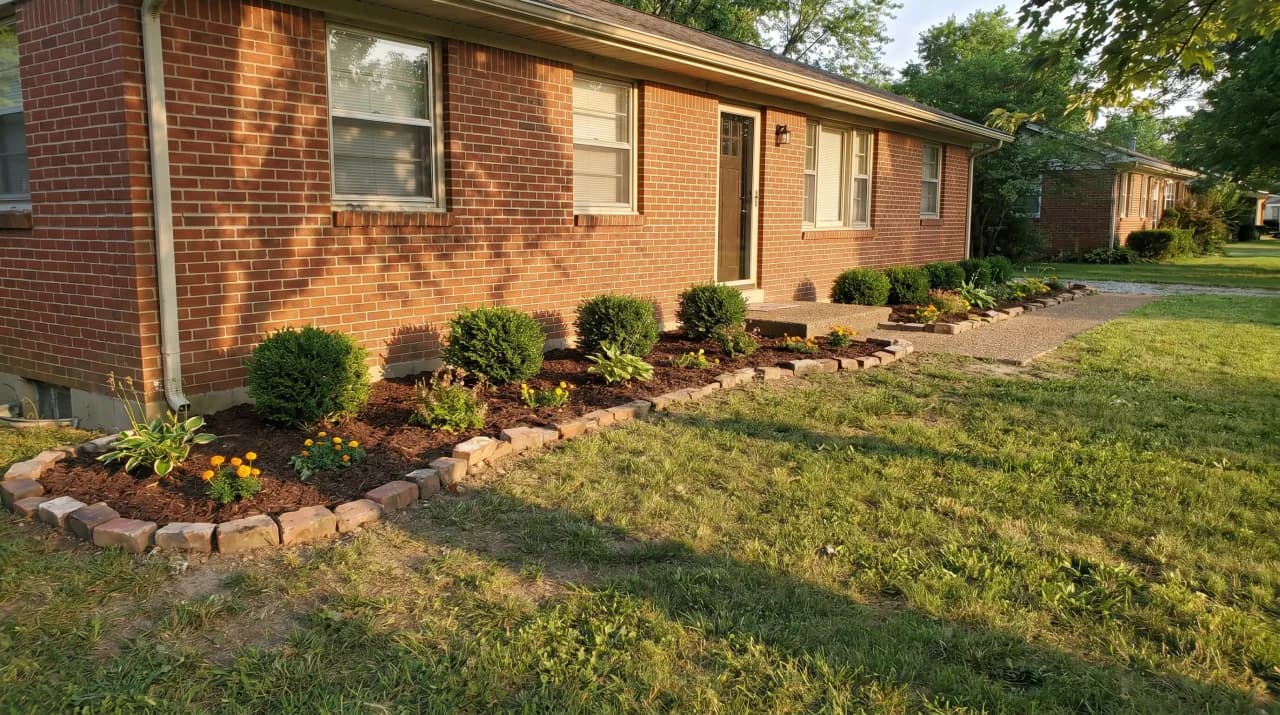
Low-Maintenance
Anonymous · 3mo ago
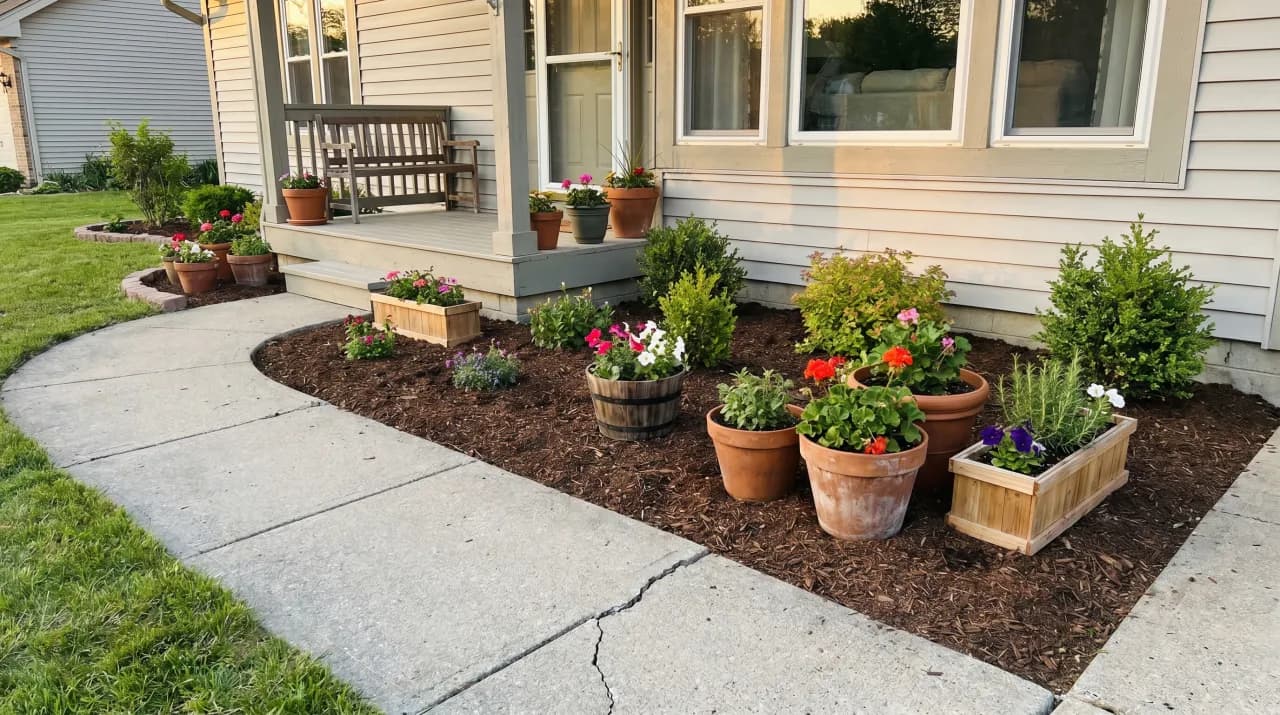
Cottage Garden
Anonymous · 3mo ago
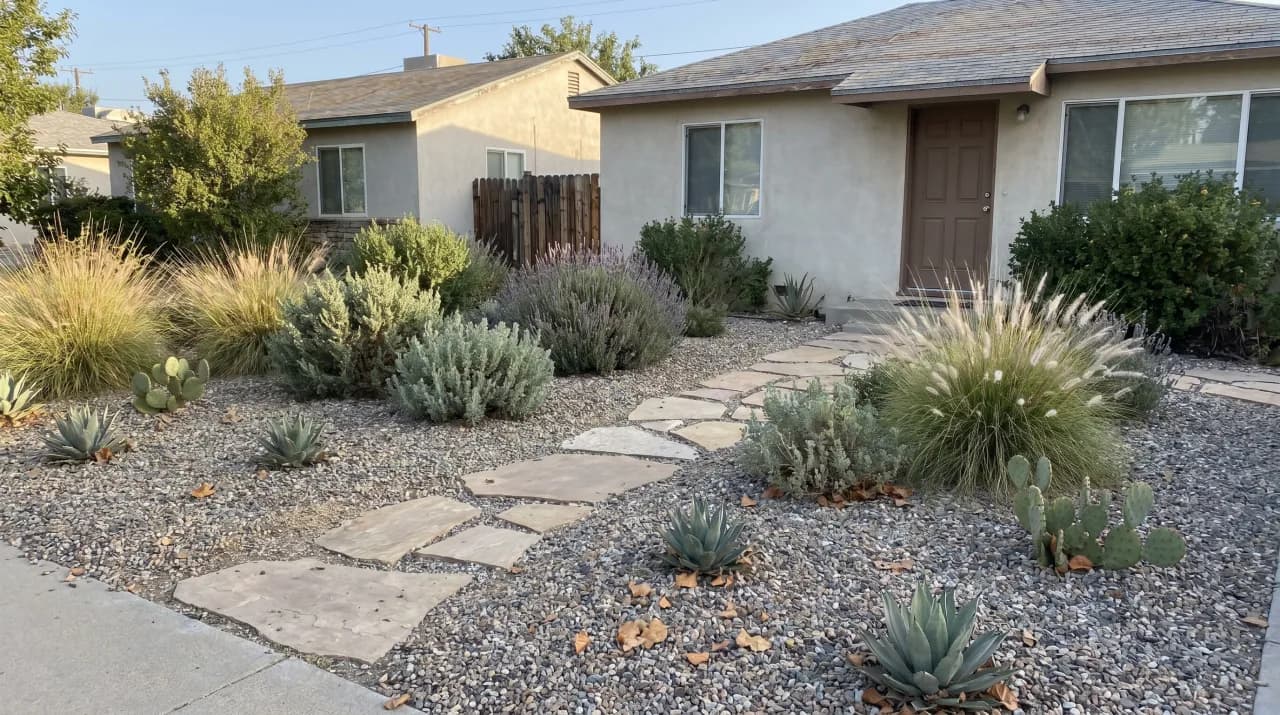
Desert / Xeriscape
Anonymous · 3mo ago
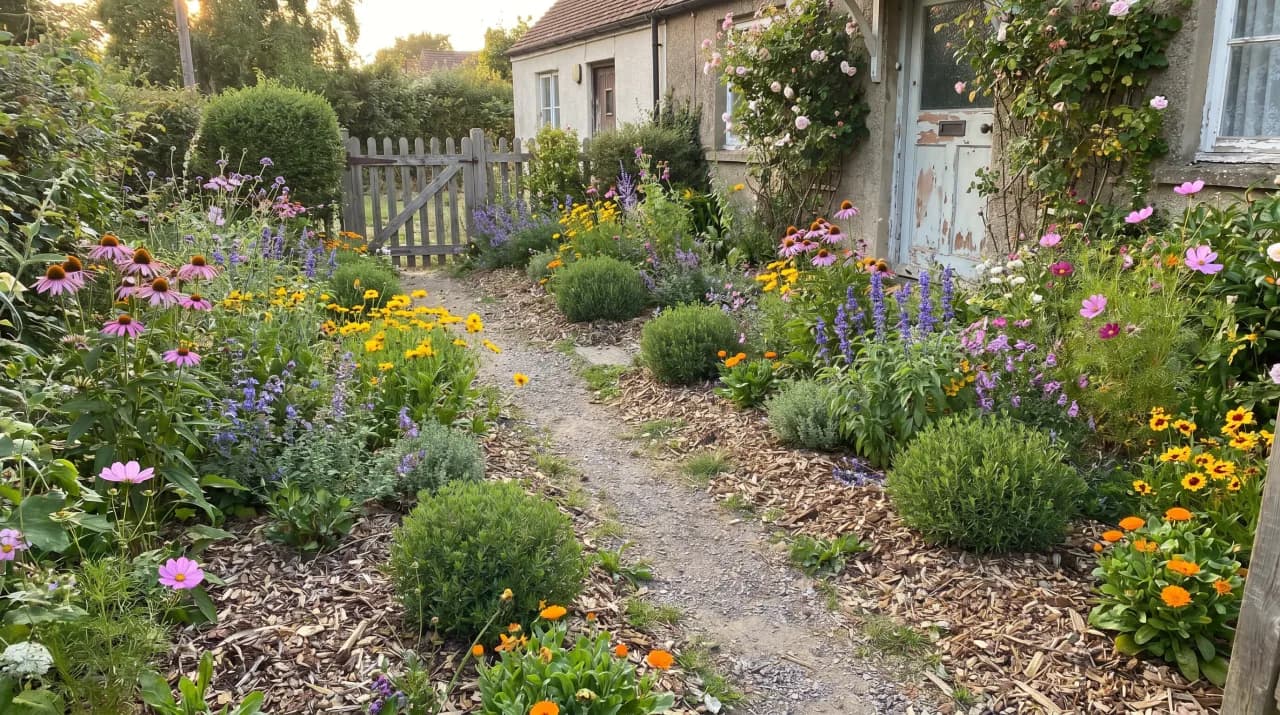
Cottage Garden
Anonymous · 3mo ago
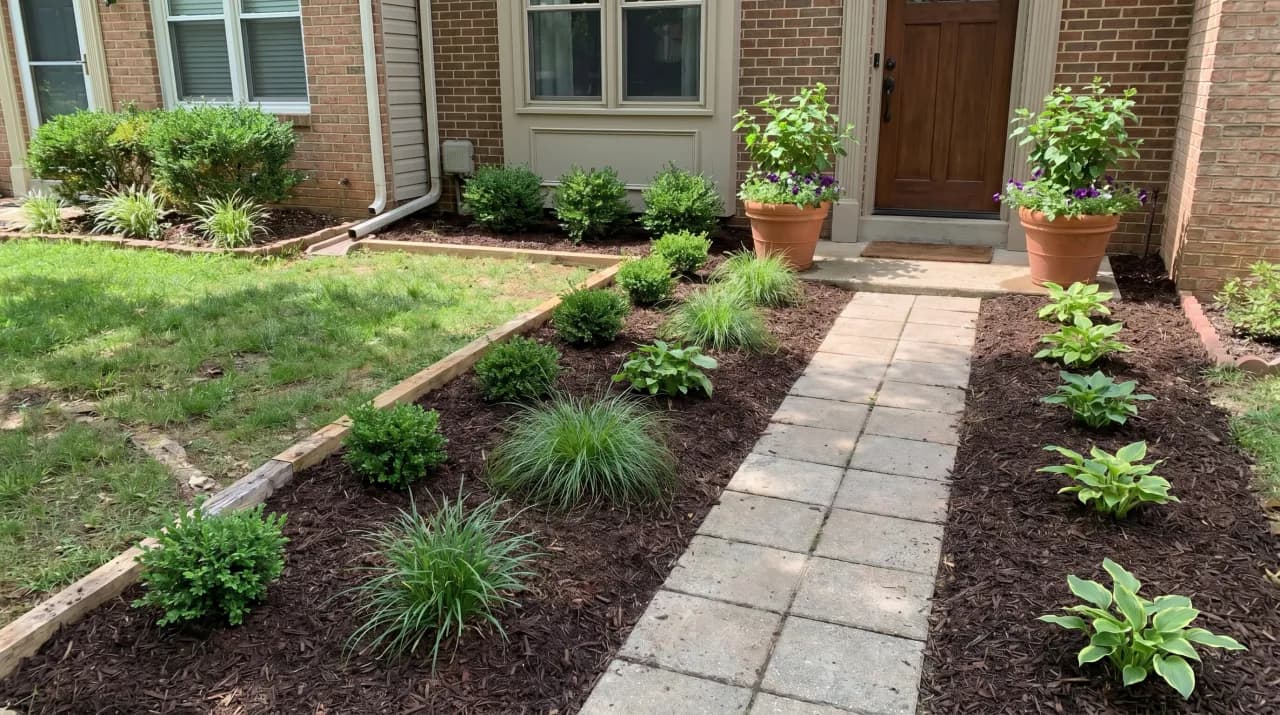
Low-Maintenance
Anonymous · 3mo ago
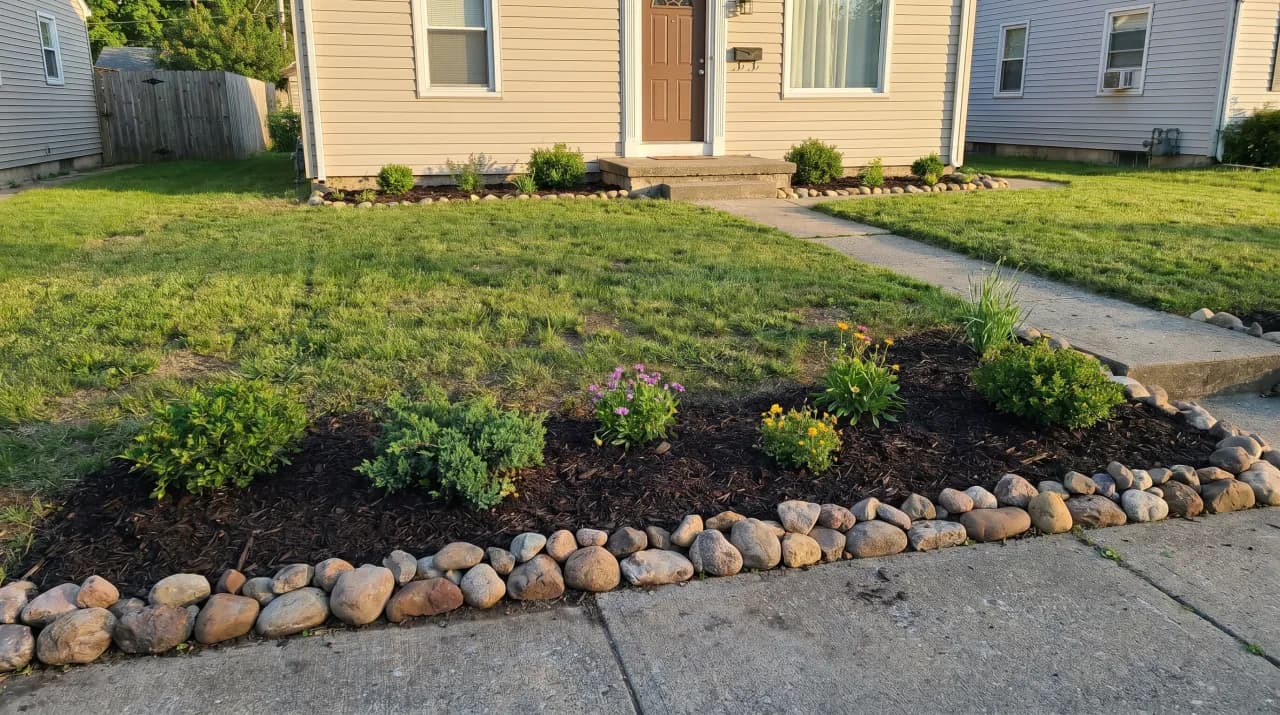
Low-Maintenance
Anonymous · 3mo ago
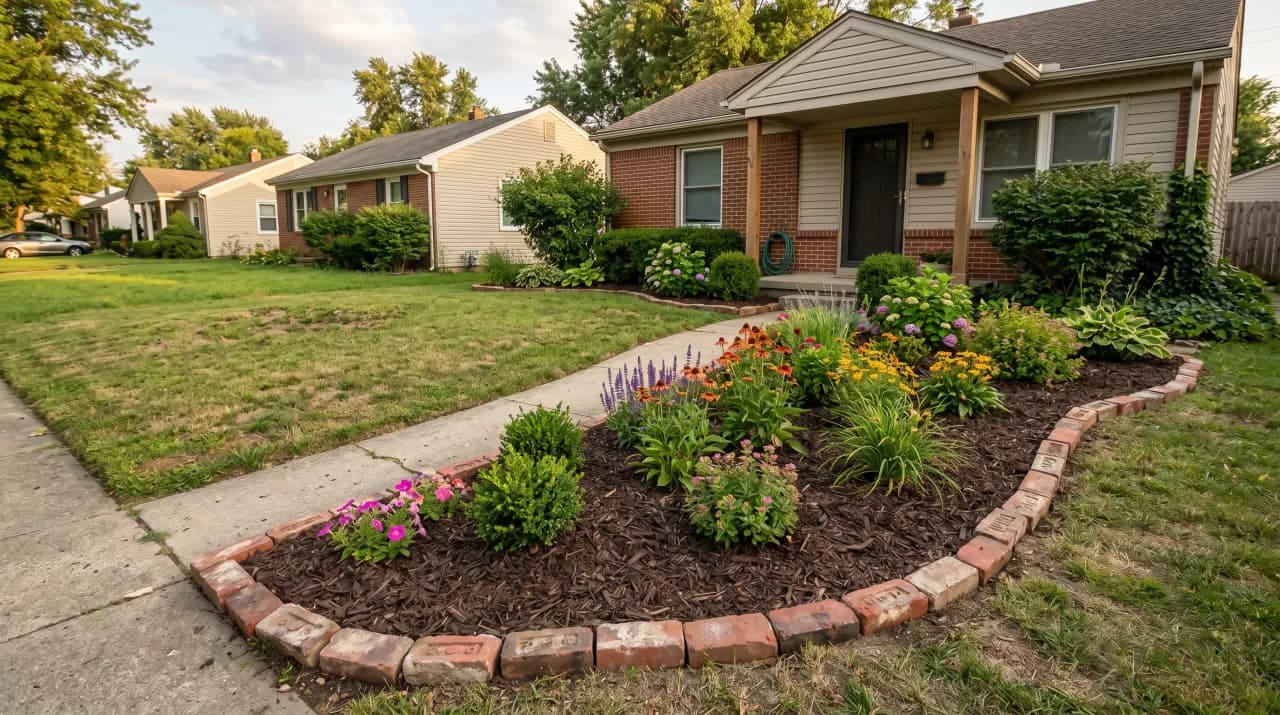
Low-Maintenance
Anonymous · 4mo ago
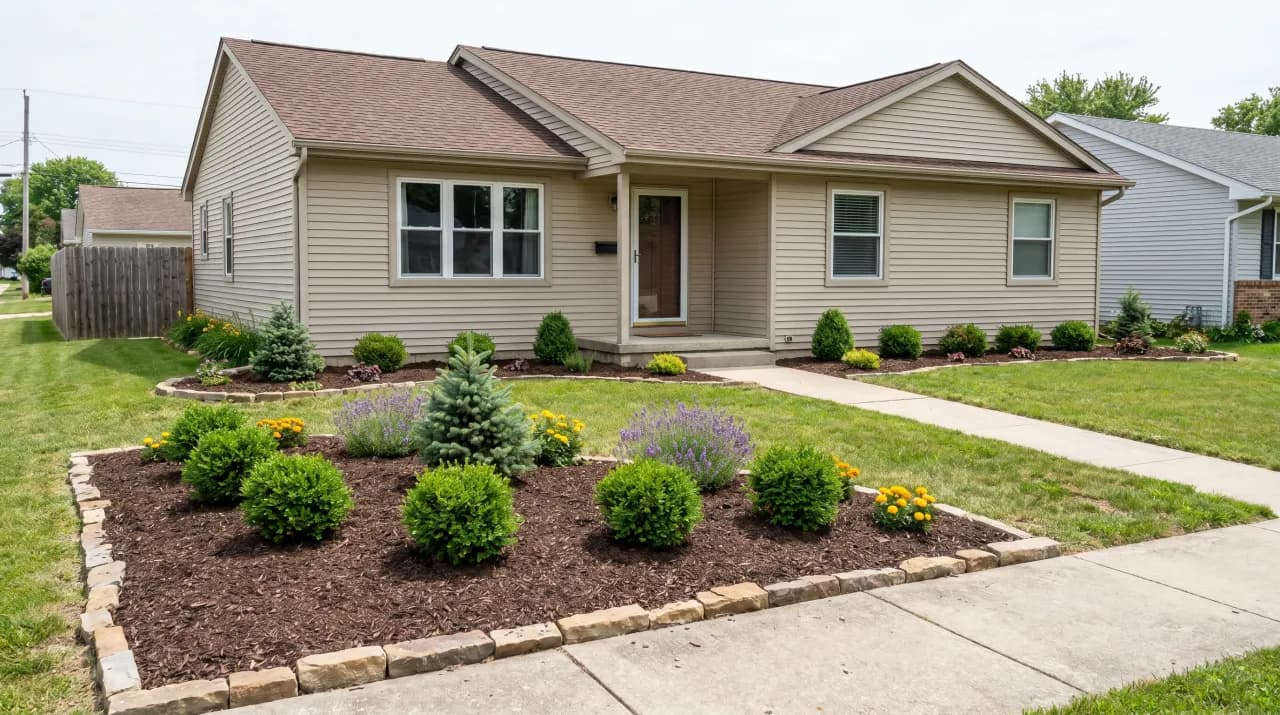
Low-Maintenance
Anonymous · 4mo ago
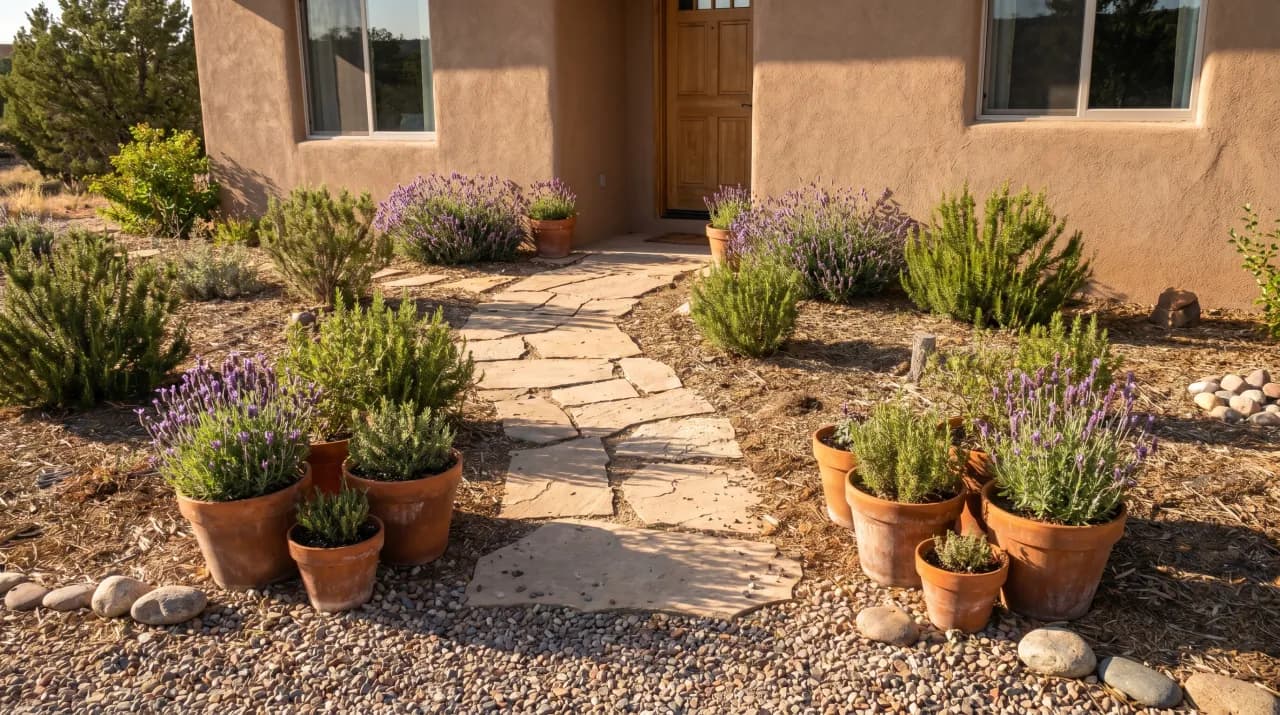
Southwestern Adobe
Anonymous · 4mo ago
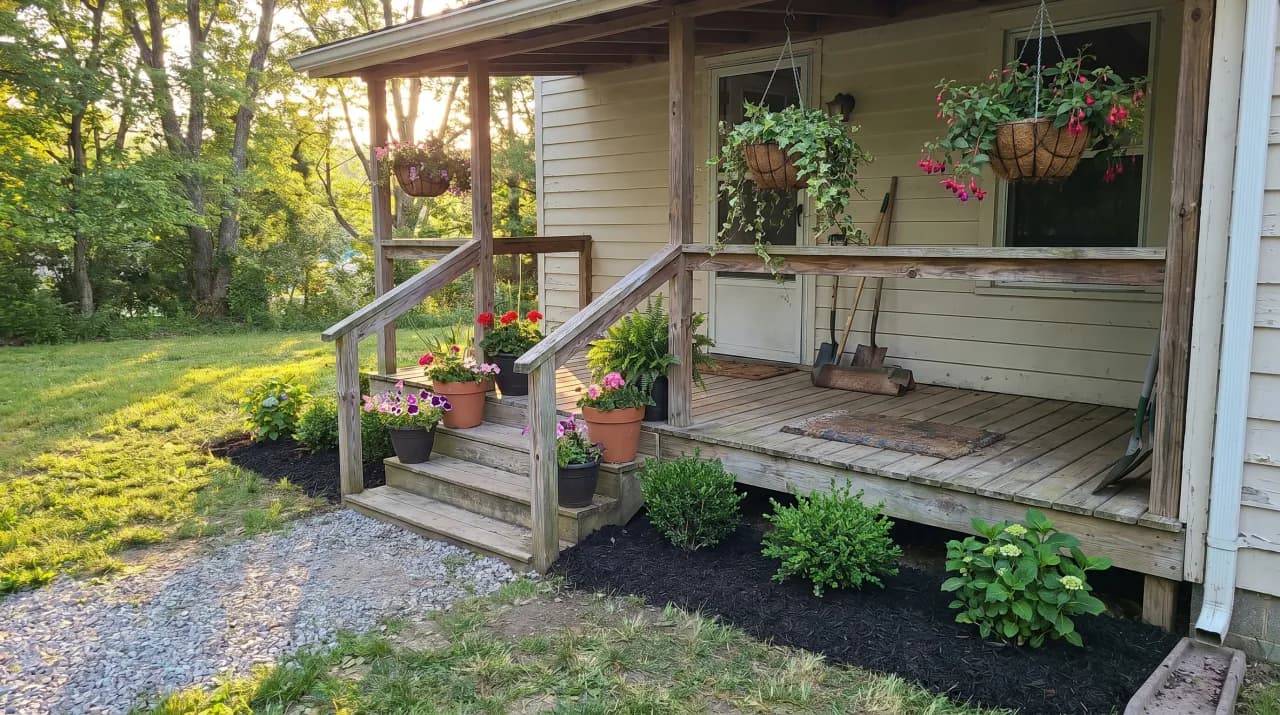
Cottage Garden
Anonymous · 4mo ago
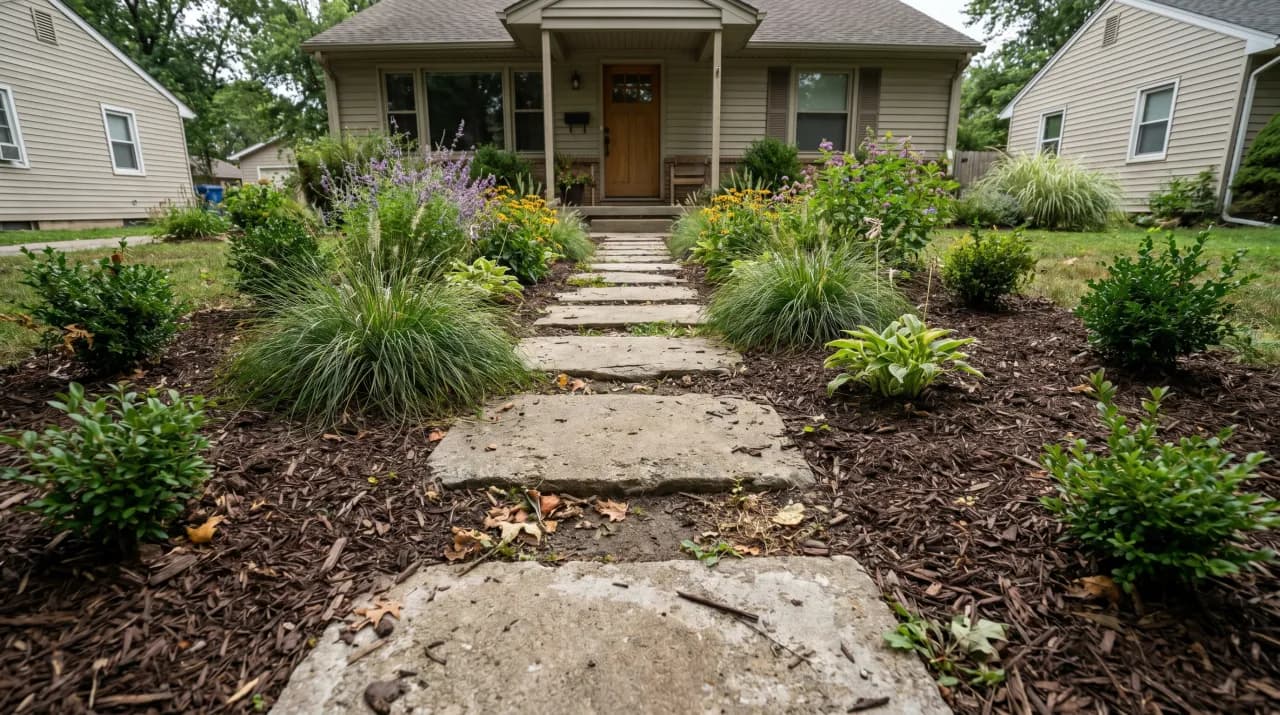
Craftsman
Anonymous · 4mo ago
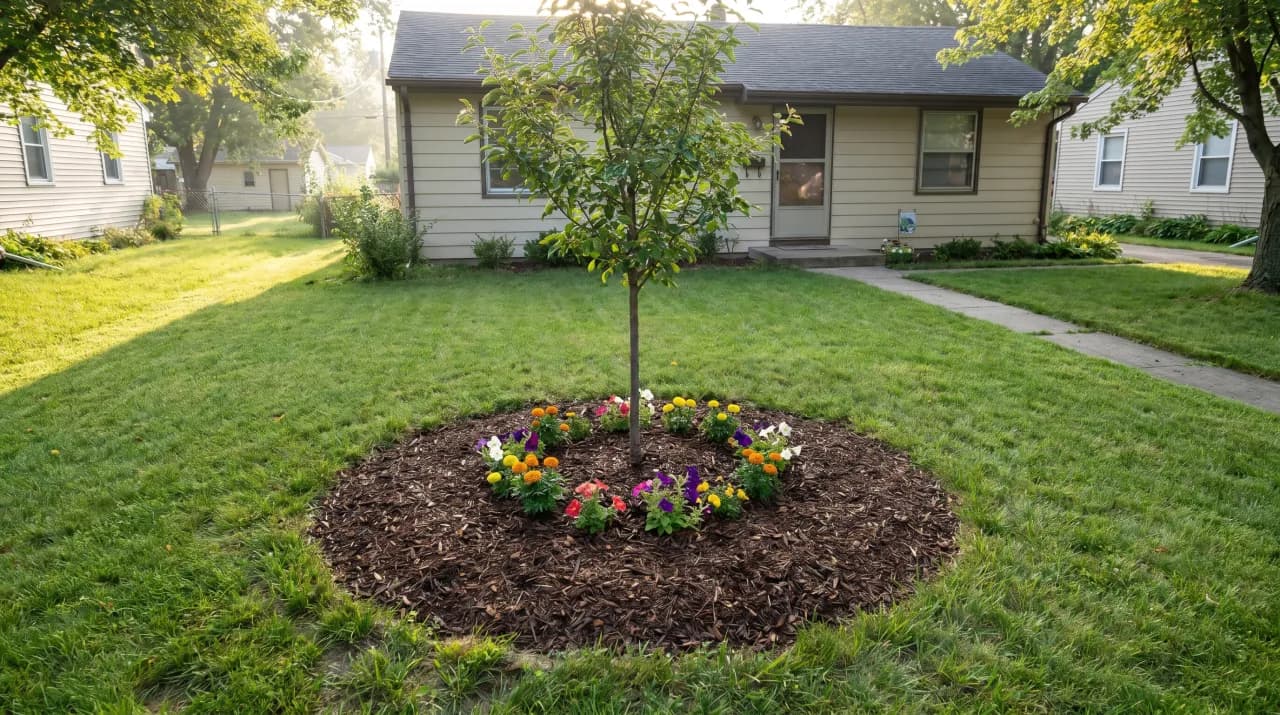
Low-Maintenance
Anonymous · 4mo ago
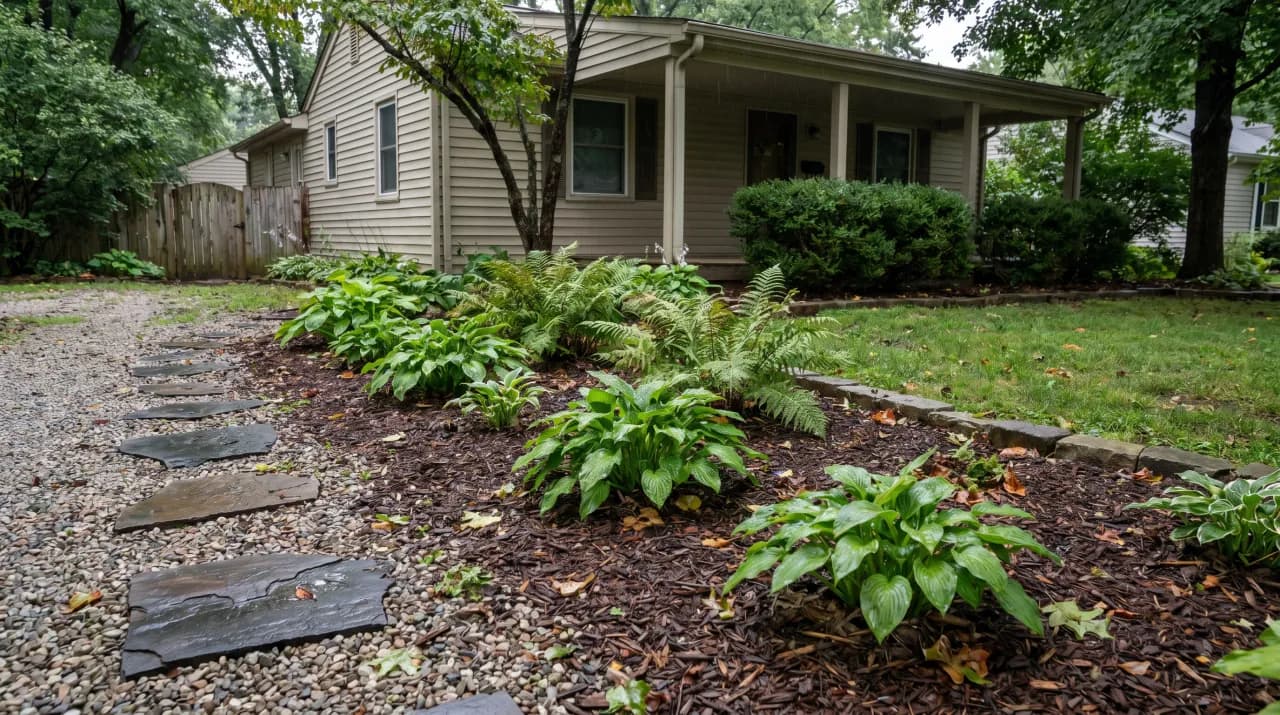
Shade Garden
Anonymous · 4mo ago
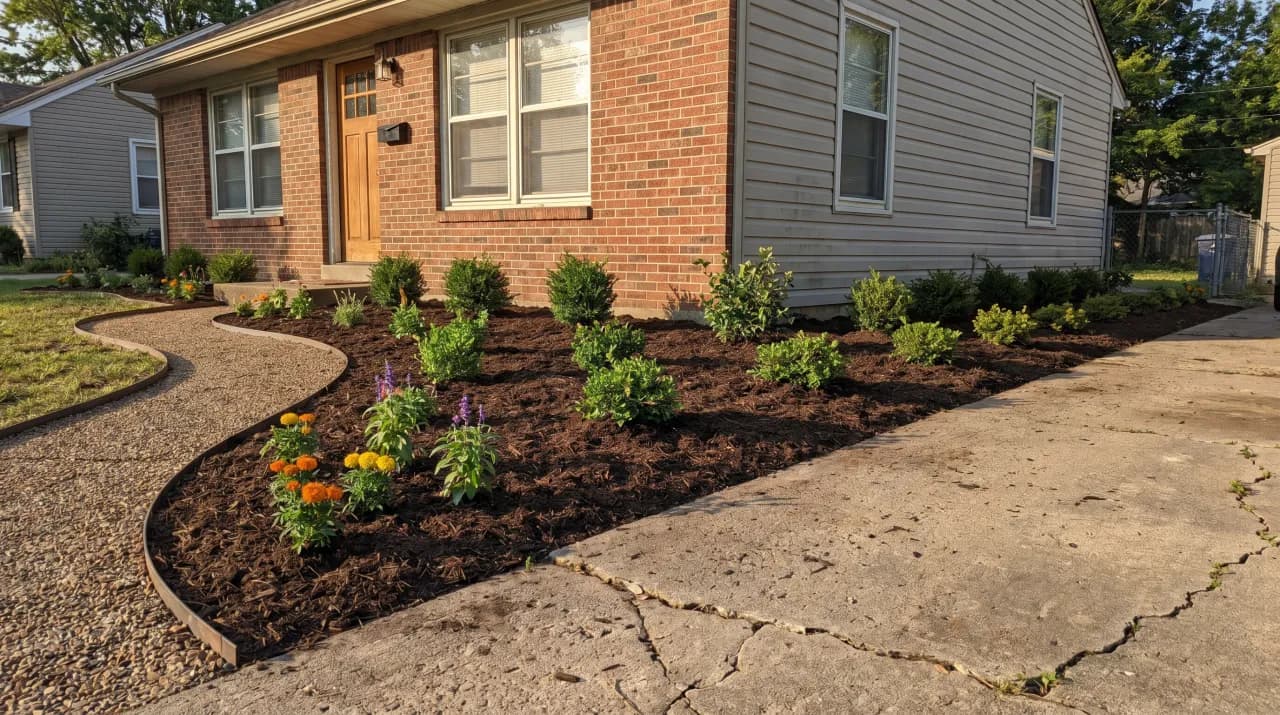
Low-Maintenance
Anonymous · 4mo ago
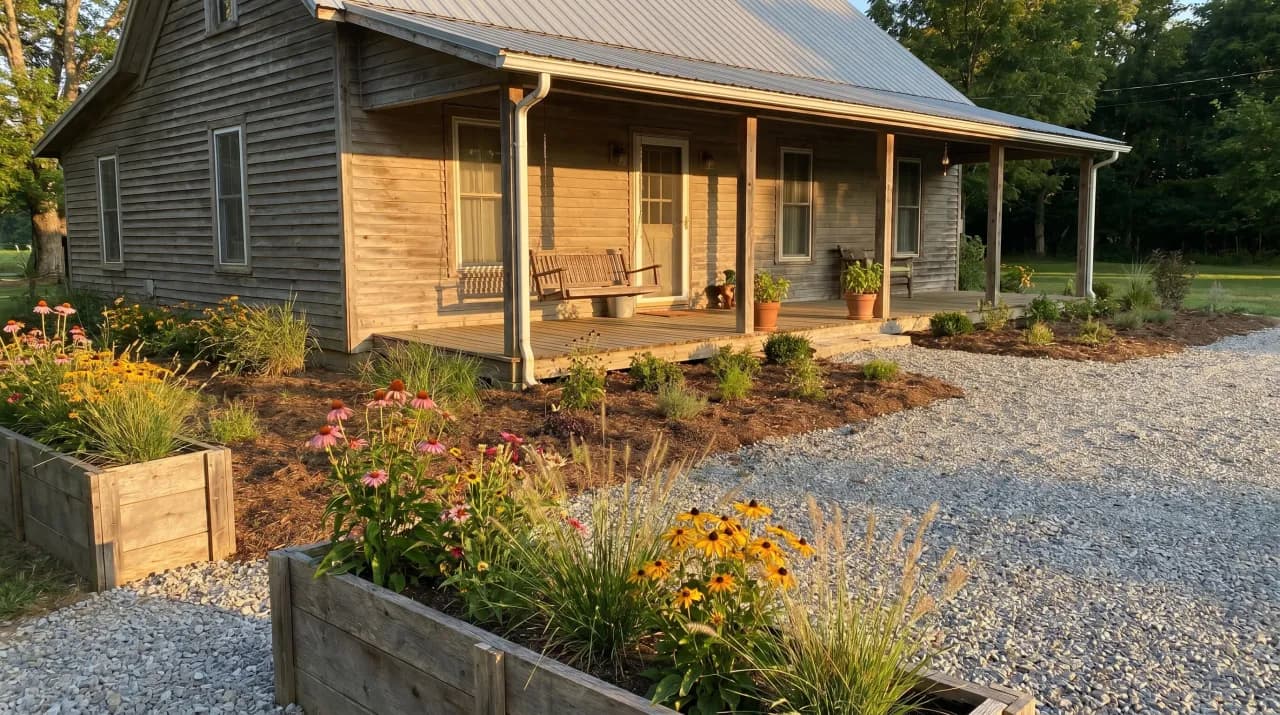
Modern Farmhouse
Anonymous · 4mo ago
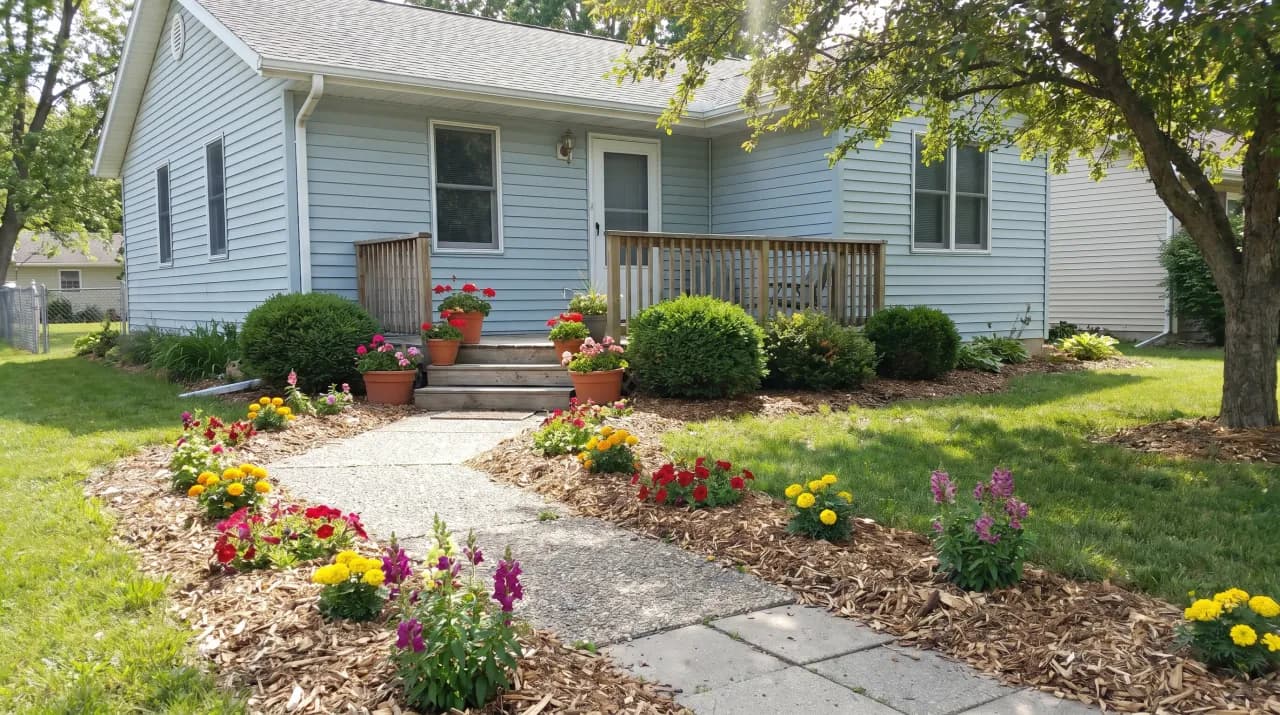
Low-Maintenance
Anonymous · 4mo ago
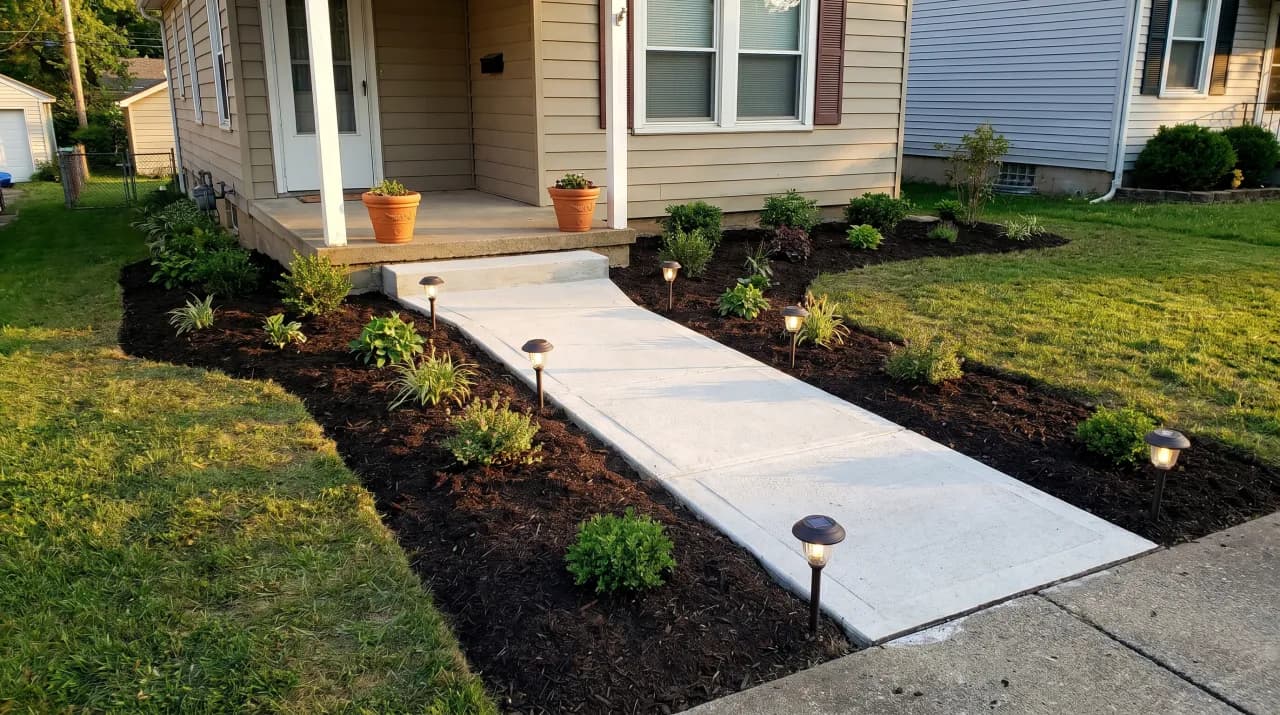
Low-Maintenance
Anonymous · 4mo ago
Start With the Free Wins
Before spending anything, do the work that costs nothing: pull weeds, cut back overgrown shrubs, and edge all your beds. Clean bed edges — the line between lawn and mulch — make a yard look maintained even when nothing else has changed. Once that's done, mulch is the single highest-ROI purchase in front yard landscaping. Buy it in bulk from a landscape supply company, not bagged from a garden center — bulk runs $30–$60 per cubic yard versus $6–9 per 2-cubic-foot bag at retail, which works out to roughly four times the cost. A typical small front yard needs 2–3 cubic yards. Fresh mulch over clean edges, with dead plants removed: that combination alone transforms most neglected front yards.
Plan Before You Plant
Most front yard makeovers waste money by skipping straight to buying plants. Before spending anything on plants: sketch your layout on paper, watch where sun falls throughout the day, and decide which areas will be lawn, bed, or gravel. Use a garden hose to test the shape of curved beds — lay it out, step back to the street, adjust until it looks right, then cut the edge. The shape of your beds matters more than what's in them. A well-defined mulch bed with three shrubs looks more polished than an unedged mix of a dozen different plants. For small front yards especially — a shallow townhouse strip or a narrow urban lot — one clear focal point at the entry does more than anything spread across the ground.
Choose Perennials Over Annuals
This is the most consequential budget decision in front yard landscaping. Annuals — marigolds, petunias, impatiens — cost $2–4 per plant and look good for one season. Perennials cost $5–12 upfront but return every year, and most can be divided every 2–3 years to double or triple your plant count for free. Good budget perennials: black-eyed Susans, coneflowers (echinacea), hostas, lavender, daylilies, ornamental grasses. Plant in groups of 3 or 5 — odd numbers look more natural and fill beds faster than scattering singles. A $60 investment in perennials, divided twice over four years, can fill a bed that would cost $200+ in annuals annually.
Replace Lawn Only Where It Makes Sense
Lawn removal sounds appealing for maintenance savings, but it's worth being selective. The right candidates: shaded areas where grass grows thin and patchy anyway, the hellstrip between sidewalk and road (often watered and mowed for minimal payoff), and slopes too steep to mow safely. Replace these with mulch beds and low ground covers — near-zero ongoing cost. Full gravel conversion runs $3–8 per square foot installed, or $1–3 DIY with decomposed granite or river rock. Sheet mulching — layering cardboard over the lawn, then covering with 4–6 inches of wood chips — kills grass without herbicides and costs almost nothing if you can get free wood chips from a tree service or municipal program. Avoid pulling up healthy, easy-to-mow lawn just for the sake of it. The disruption rarely pays off visually unless you're replacing it with something that reads clearly from the street.
Frequently Asked Questions
- What is the cheapest way to redo a front yard?
- The highest-ROI approach: edge all existing beds cleanly, remove dead or overgrown plants, and lay 3 inches of bulk mulch. Bulk mulch from a landscape supplier runs $30–$60 per cubic yard — a typical small front yard needs 2–3 yards. Total cost: $60–$180. Add three to five native perennials ($5–10 each) for year-round interest. The whole refresh can come in under $300.
- How do I get curb appeal on a very tight budget?
- Focus on lines, not plants. Edge all beds sharply, clear any clutter from the front porch, and if you have $50, buy one bag of mulch and refresh the most visible bed. A single potted plant at the front door costs $15–25 and does more visual work than scattered ground-level planting. Clean and defined always reads better than full and messy.
- Is gravel cheaper than lawn long-term?
- Yes, in most climates. Gravel costs more upfront ($1–3 per sq ft DIY) than grass seed but near zero to maintain — no mowing, watering, or fertilizing. Lawn costs $150–400/year in time, water, and inputs for an average front yard. In dry climates where irrigation is expensive, gravel pays for itself in two to three seasons.
More landscaping ideas
See any of these styles on your own yard
Upload a photo of your yard and our AI will redesign it in seconds.